Diet and ‘Zero’ Sugar Sodas
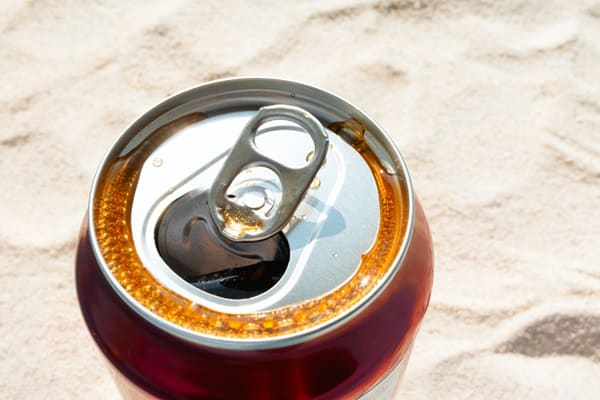
Diet sodas and ‘zero’ sugar beverages are often chosen as guilt-free alternatives to their sugary counterparts. However, the artificial sweeteners used in these drinks, such as aspartame and sucralose, have been the subject of health debates. While they are low in calories, these sweeteners may have potential health impacts, including affecting gut health and possibly leading to increased cravings for sweet foods. Additionally, the consumption of diet sodas has been linked in some studies to an increased risk of certain health issues, though more research is needed in this area.
Beyond the physical health concerns, diet sodas can also impact eating habits and food choices. The sweet taste of artificial sweeteners, despite being calorie-free, can still trigger the brain’s reward pathways similarly to regular sugar. This can lead to an increased appetite for sweet, high-calorie foods, potentially undermining weight management efforts. For healthier beverage choices, consider water, herbal teas, or infused water with natural fruits. These alternatives provide hydration without the potential negative effects of artificial sweeteners found in diet sodas.
Pre-Made Salad Dressings
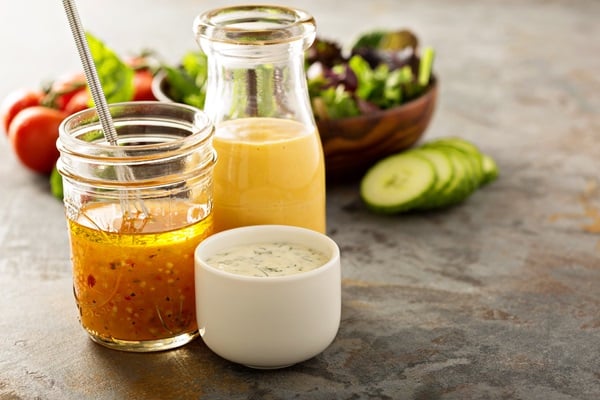
Pre-made salad dressings are a staple in many households, offering convenience and flavor. However, many of these dressings are high in calories, unhealthy fats, sugars, and sodium, which can turn a healthy salad into a less nutritious meal. The high-calorie content, primarily from oils and sugars, can significantly increase the calorie count of your salad, while the high sodium levels can contribute to increased blood pressure and other health issues.
To enjoy salads without compromising on health, consider making your own dressings using simple, fresh ingredients. Homemade dressings can be made with a base of olive oil, vinegar, or yogurt and flavored with herbs, spices, and citrus. This allows you to control the ingredients and their proportions and also avoids preservatives and additives found in store-bought dressings. With a little bit of experimentation, you can create a variety of healthy dressings that enhance your salads without the unhealthy extras.
Energy Bars

Energy bars are commonly consumed as a quick energy boost or meal replacement, especially among those with active lifestyles. However, not all energy bars are created equal. Many contain high levels of sugar, unhealthy fats, and calories, similar to candy bars. They can also be packed with artificial ingredients and preservatives, diminishing their nutritional value. While some bars do offer a good mix of protein, fiber, and healthy fats, it’s important to choose wisely.
For a healthier alternative, look for energy bars with minimal added sugars, whole food ingredients, and a balance of protein, fiber, and healthy fats. Better yet, consider making your own energy bars at home. Homemade bars can be made with nuts, seeds, whole grains, and natural sweeteners like dates or honey, providing a nutritious and energy-boosting snack. This way, you can avoid the pitfalls of processed bars and enjoy a truly healthy, energizing treat.
Gluten-Free Packaged Foods
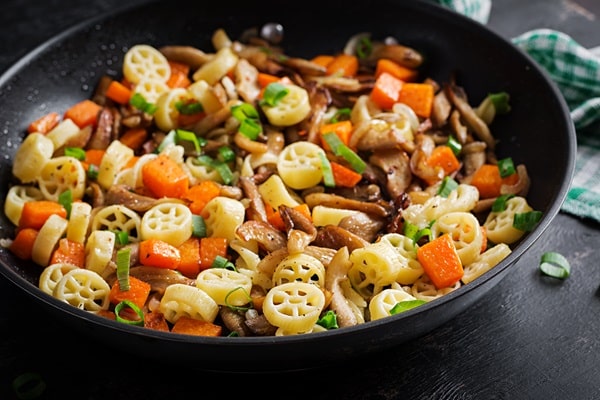
The rise in popularity of gluten-free diets has led to an increase in gluten-free packaged foods, often perceived as healthier options. However, just because a product is labeled gluten-free doesn’t mean it’s healthier. Many of these products are highly processed and can be high in sugar, fat, and calories while lacking essential nutrients. The absence of gluten often leads to the use of alternative flour and starches, which can result in a higher glycemic index and reduced fiber content.
For those who do not have a medical need to avoid gluten, such as those with celiac disease or gluten sensitivity, it’s essential to focus on the overall nutritional profile of foods rather than just the absence of gluten. Whole, naturally gluten-free foods like fruits, vegetables, lean proteins, and certain grains are healthier choices. If you do need to follow a gluten-free diet, opt for minimally processed foods and be mindful of the nutritional content, ensuring a balanced and nutrient-rich diet.
Empower Your Diet with Informed Choices
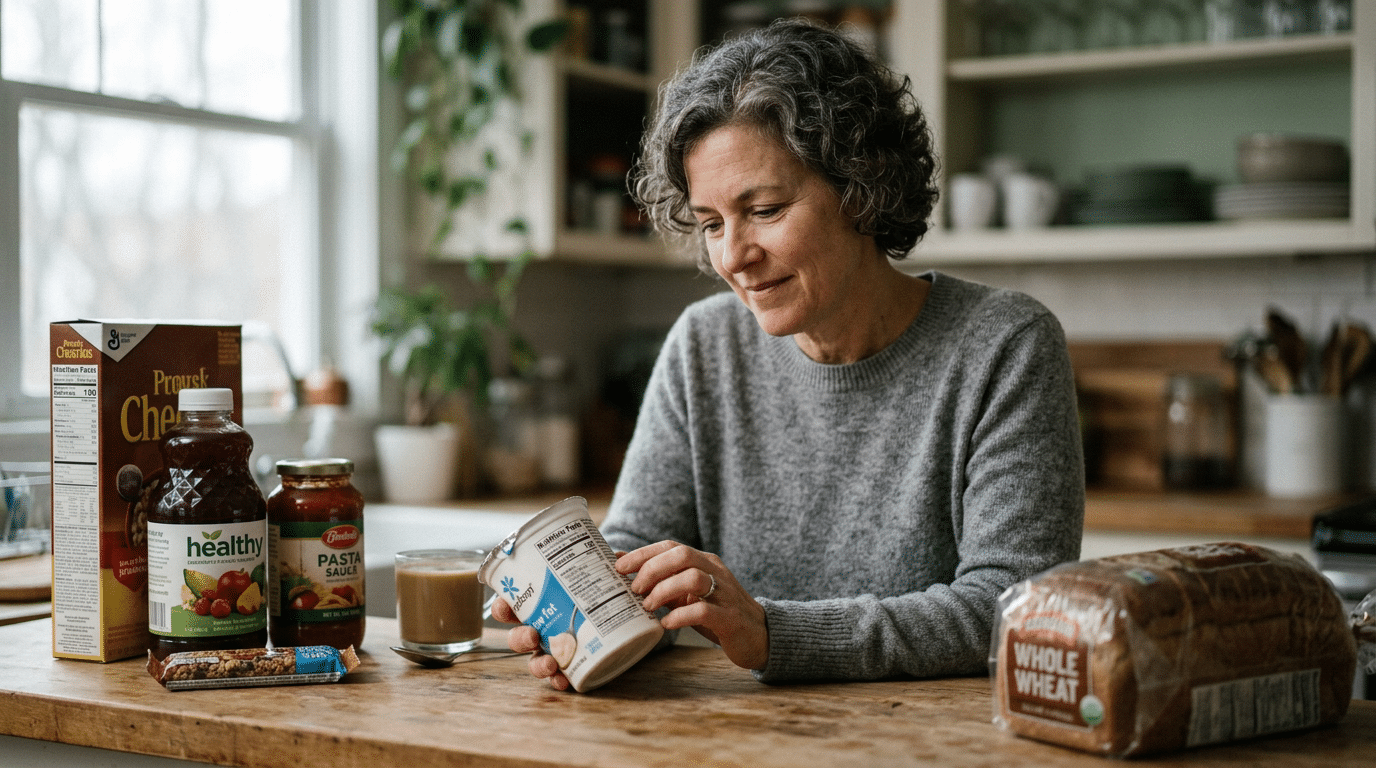
The journey to healthier eating is about understanding what truly goes into your food. This article has highlighted the importance of looking past marketing claims and examining the real nutritional content of what you eat. By being an informed consumer and choosing whole, unprocessed foods, you can significantly improve your dietary habits. Remember, knowledge is power, especially when it comes to nutrition. Empower your diet with informed choices, and embrace a healthier lifestyle starting today.