
The Health Changes Women Over 50 Should Never Ignore
Understanding the warning signs that warrant medical attention during this pivotal stage of life.
The decade following a woman’s fiftieth birthday brings significant physiological transitions that can profoundly affect overall health and quality of life. Recognizing the health changes women over 50 should never ignore is essential for early intervention and maintaining vitality during this important life stage. Menopause, shifting hormone levels, and the natural aging process create new vulnerabilities that require heightened awareness and proactive medical care. While some symptoms may seem like normal parts of getting older, certain warning signs demand prompt attention from healthcare professionals to rule out serious conditions or catch treatable diseases in their earliest stages.
Heart Disease Warning Signs After Menopause

Cardiovascular disease remains the leading cause of death among women in the United States, according to the Centers for Disease Control and Prevention. The protective effects of estrogen diminish after menopause, causing cholesterol profiles to shift unfavorably and increasing arterial stiffness. Women over 50 should pay close attention to symptoms such as unusual fatigue, shortness of breath during routine activities, chest discomfort that may radiate to the jaw or arm, and unexplained nausea or dizziness. These symptoms often present differently in women than in men, leading to delayed diagnosis and treatment. Any sudden onset of these warning signs warrants immediate medical evaluation, as heart attacks in women frequently go unrecognized due to their atypical presentation.
Critical Fact
According to the American Heart Association, heart disease causes approximately one in three deaths among women annually. Women over 50 face significantly elevated risk due to declining estrogen levels and should discuss cardiovascular screening with their physicians.
Osteoporosis and Bone Density Loss Indicators

The years following menopause bring accelerated bone loss, with women potentially losing up to twenty percent of their bone density within the first five to seven years after their final menstrual period. The National Osteoporosis Foundation notes that approximately fifty percent of women over age fifty will experience a fracture related to osteoporosis during their remaining lifetime. Warning signs that should prompt medical consultation include loss of height, a stooped posture, back pain that may indicate vertebral compression fractures, and fractures occurring from minor falls or impacts. Women with risk factors such as family history of osteoporosis, smoking history, low body weight, or prolonged corticosteroid use should discuss bone density testing with their healthcare providers.
Bone Density Changes in Women by Age
Breast Cancer Detection and Screening Guidelines
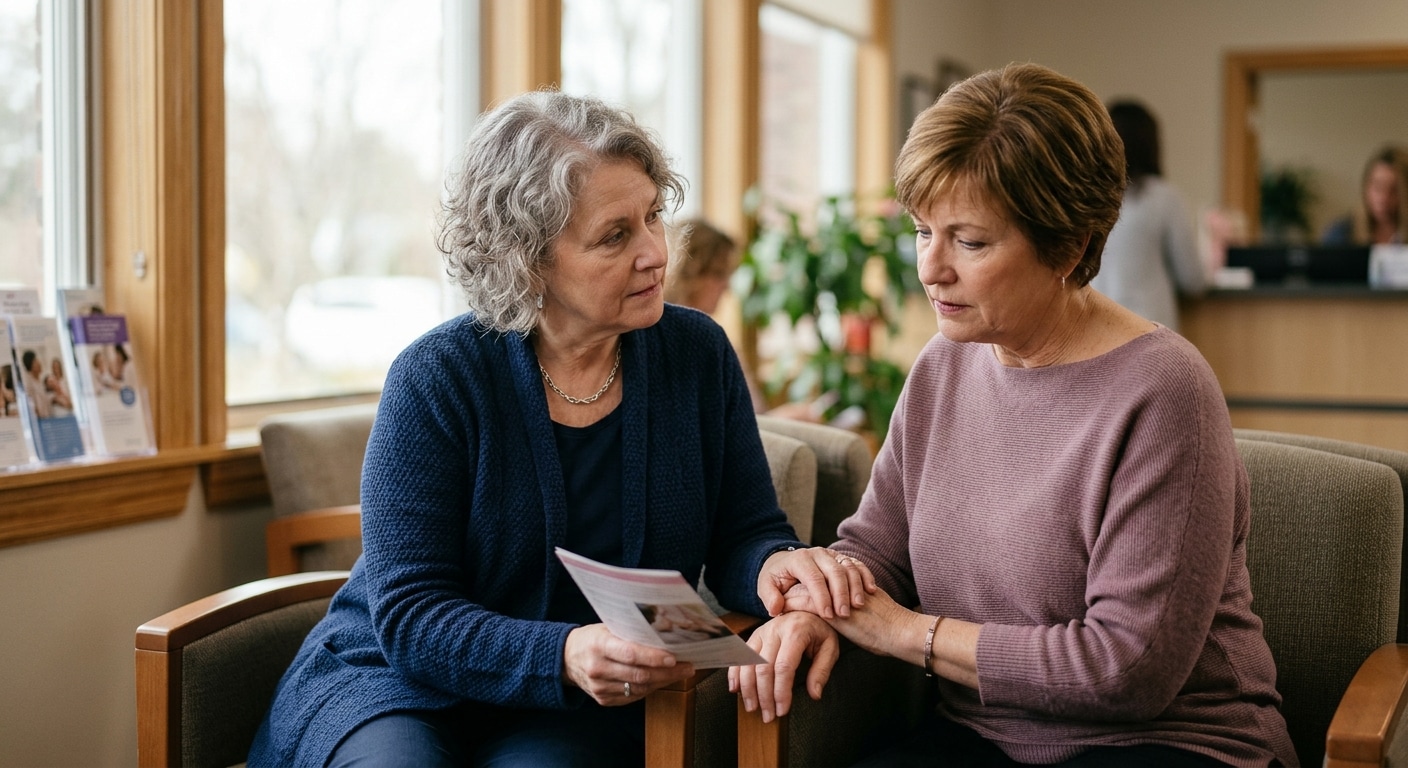
Breast cancer risk increases with age, making vigilant screening essential for women over fifty. The American Cancer Society recommends that women aged fifty-five and older transition to mammograms every two years or continue annual screening based on personal preference and risk factors. Changes that require immediate medical attention include new lumps or masses in the breast or underarm area, changes in breast size or shape, skin dimpling or puckering, nipple discharge other than breast milk, and nipple inversion or changes in nipple appearance. Monthly breast self-examinations help women become familiar with their normal breast tissue, making it easier to detect any changes that warrant professional evaluation.
Similarly, colorectal cancer screening becomes increasingly important after age fifty. The U.S. Preventive Services Task Force recommends screening beginning at age forty-five for average-risk adults, continuing through age seventy-five. Symptoms including blood in the stool, persistent changes in bowel habits, unexplained weight loss, or ongoing abdominal discomfort should be reported to a healthcare provider promptly.
Screening Reminder
Regular screening mammograms, colonoscopies, and skin examinations can detect cancers at early, highly treatable stages. Women over 50 should maintain open communication with their healthcare providers about appropriate screening schedules based on individual risk factors.
Diabetes Risk and Blood Sugar Irregularities
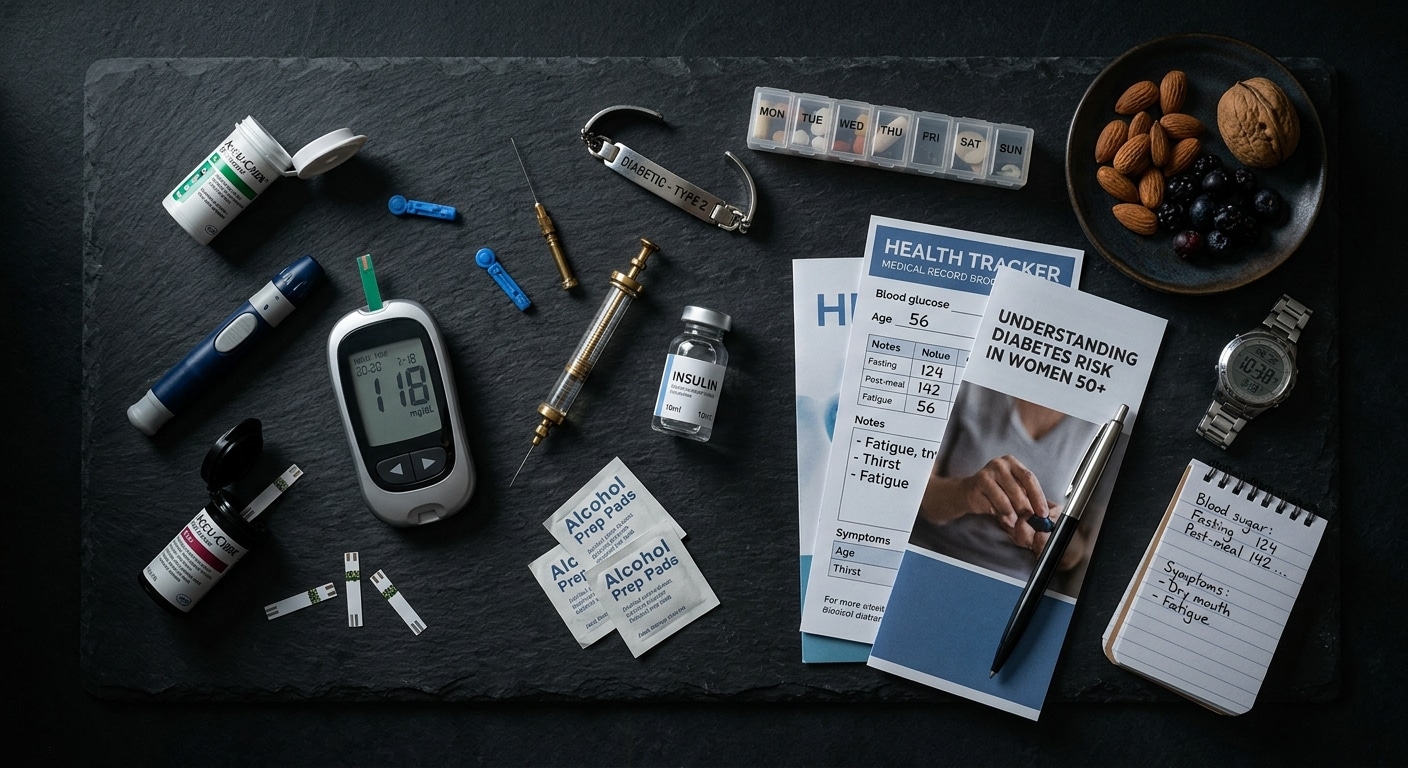
Type 2 diabetes risk escalates significantly after age fifty, particularly for women experiencing weight gain during the menopausal transition. The hormonal changes of menopause can affect insulin sensitivity, making blood sugar management more challenging. Warning signs that should prompt testing include increased thirst and urination, unexplained weight changes, blurred vision, slow-healing wounds, frequent infections, and numbness or tingling in the hands or feet. The American Diabetes Association recommends regular fasting glucose tests for adults over forty-five, with more frequent testing for those with elevated risk factors such as obesity, family history of diabetes, or a history of gestational diabetes.
Thyroid Function
Unexplained weight changes, fatigue, hair loss, and temperature sensitivity may indicate thyroid disorders, which become more common in women after fifty.
Blood Pressure
Hypertension often develops silently. Regular monitoring is essential, as uncontrolled high blood pressure significantly increases stroke and heart disease risk.
Cholesterol Levels
Post-menopausal hormone shifts often cause LDL cholesterol to rise. Regular lipid panel testing helps identify cardiovascular risk early.
Vitamin D Status
Deficiency becomes more prevalent with age and contributes to bone loss, muscle weakness, and immune dysfunction.
Memory Changes and Neurological Concerns

Distinguishing between normal age-related memory changes and early signs of cognitive decline requires careful attention. Occasional forgetfulness, such as misplacing keys or forgetting an appointment, typically falls within normal parameters. However, symptoms that warrant medical evaluation include getting lost in familiar places, difficulty following conversations or completing familiar tasks, confusion about time or place, poor judgment affecting safety, and personality or mood changes. The Alzheimer’s Association emphasizes that early detection allows for better planning and access to treatments that may help manage symptoms. Women should discuss any concerning cognitive changes with their physicians, who can conduct appropriate assessments and rule out treatable conditions such as vitamin deficiencies, thyroid disorders, or medication side effects.
Post-Menopausal Bleeding and Pelvic Symptoms

Any vaginal bleeding occurring after menopause requires immediate medical evaluation. The American College of Obstetricians and Gynecologists considers post-menopausal bleeding a warning sign that must be investigated to rule out endometrial cancer and other serious conditions. While causes may include benign factors such as vaginal atrophy or polyps, prompt evaluation is essential for early detection of malignancy. Additionally, women should not dismiss persistent pelvic pain, bloating, difficulty eating, or urinary urgency, as these symptoms may indicate ovarian cancer. Ovarian cancer often presents with vague symptoms that are easily attributed to digestive issues, making awareness critical for early diagnosis.
Important Reminder
Post-menopausal bleeding is never considered normal and should always be evaluated by a healthcare provider. Early investigation can lead to detection of treatable conditions before they progress.
Depression and Emotional Well-Being After Fifty

The hormonal fluctuations of perimenopause and menopause can significantly impact mental health, yet depression in older women often goes undiagnosed and untreated. Symptoms including persistent sadness, loss of interest in previously enjoyed activities, changes in sleep patterns, appetite disturbances, difficulty concentrating, and feelings of hopelessness deserve professional attention. The National Institute of Mental Health emphasizes that depression is not a normal part of aging and effective treatments exist. Women experiencing these symptoms should seek evaluation from their healthcare providers, who can recommend appropriate interventions including therapy, medication, or lifestyle modifications.
Key Takeaways for Women Over 50
Maintaining health after fifty requires a partnership with healthcare providers, regular screenings, and attentiveness to bodily changes. Rather than dismissing symptoms as inevitable aging, women should report concerning changes promptly. Early intervention consistently leads to better outcomes across virtually all health conditions affecting this age group.
Embracing Proactive Health Management

The transition into the fifth decade and beyond presents unique health challenges that require informed vigilance and proactive engagement with healthcare systems. Women who understand the warning signs that warrant medical attention position themselves to catch potential problems early, when intervention is most effective. Rather than viewing these years as a time of inevitable decline, women can approach this life stage as an opportunity to prioritize their wellbeing through regular screenings, healthy lifestyle choices, and open communication with their healthcare providers. The body’s signals deserve attention and respect, and taking symptoms seriously represents an investment in continued vitality and quality of life.