
Everyday Foods That Secretly Contain Huge Amounts of Sugar
Common pantry staples and health-marketed products often harbor surprisingly high sugar levels that can derail dietary goals.
Many consumers believe they are making healthy dietary choices by avoiding obvious sweets like candy and soft drinks. However, everyday foods that secretly contain huge amounts of sugar fill grocery store shelves, often disguised behind health claims and wholesome packaging. The American Heart Association recommends limiting added sugar intake to no more than 25 grams daily for women and 36 grams for men, yet a single serving of certain common foods can exceed these thresholds entirely. Understanding where hidden sugars lurk is essential for anyone seeking to take control of their nutritional intake.
Flavored Yogurts and Sweetened Morning Drinks
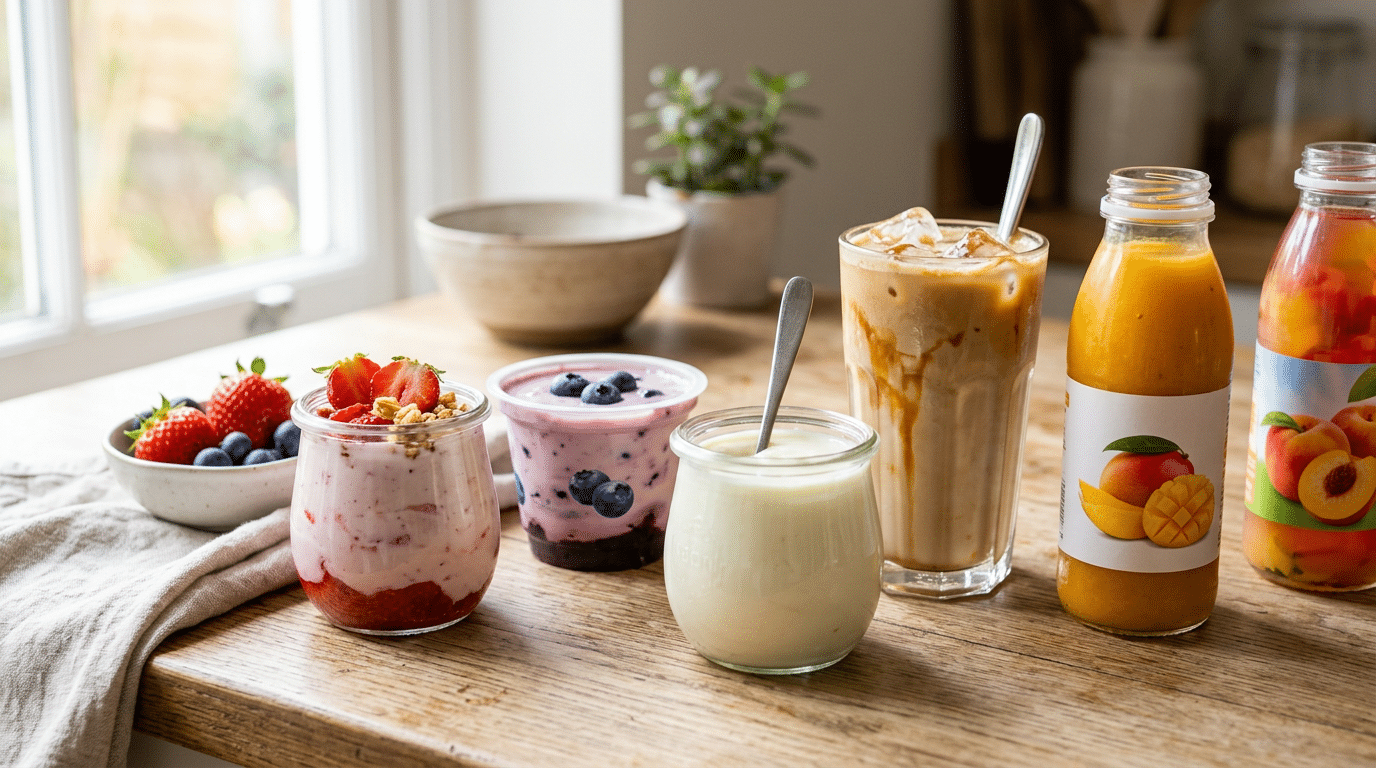
Yogurt enjoys a reputation as a health food, rich in protein and probiotics beneficial for digestive health. However, flavored yogurt varieties frequently contain added sugars that rival dessert products. According to data from the United States Department of Agriculture, a standard six-ounce container of fruit-flavored yogurt can contain between 19 and 26 grams of sugar, with much of it added during manufacturing rather than occurring naturally from lactose. Even yogurts marketed toward children or positioned as low-fat options often compensate for reduced fat content by increasing sugar levels.
Fruit juices present a similar concern. While labeled as containing real fruit and sometimes fortified with vitamins, commercial fruit juices can contain as much sugar per ounce as cola beverages. An eight-ounce glass of apple juice typically contains approximately 24 grams of sugar. Orange juice contains similar amounts. The absence of fiber found in whole fruit means these sugars are absorbed rapidly into the bloodstream, causing blood glucose spikes comparable to those triggered by soft drinks.
According to the USDA National Nutrient Database, one cup of commercial grape juice contains approximately 36 grams of sugar, exceeding the daily recommended limit for women in a single serving.
Hidden Sugars in Savory Condiments and Salad Dressings
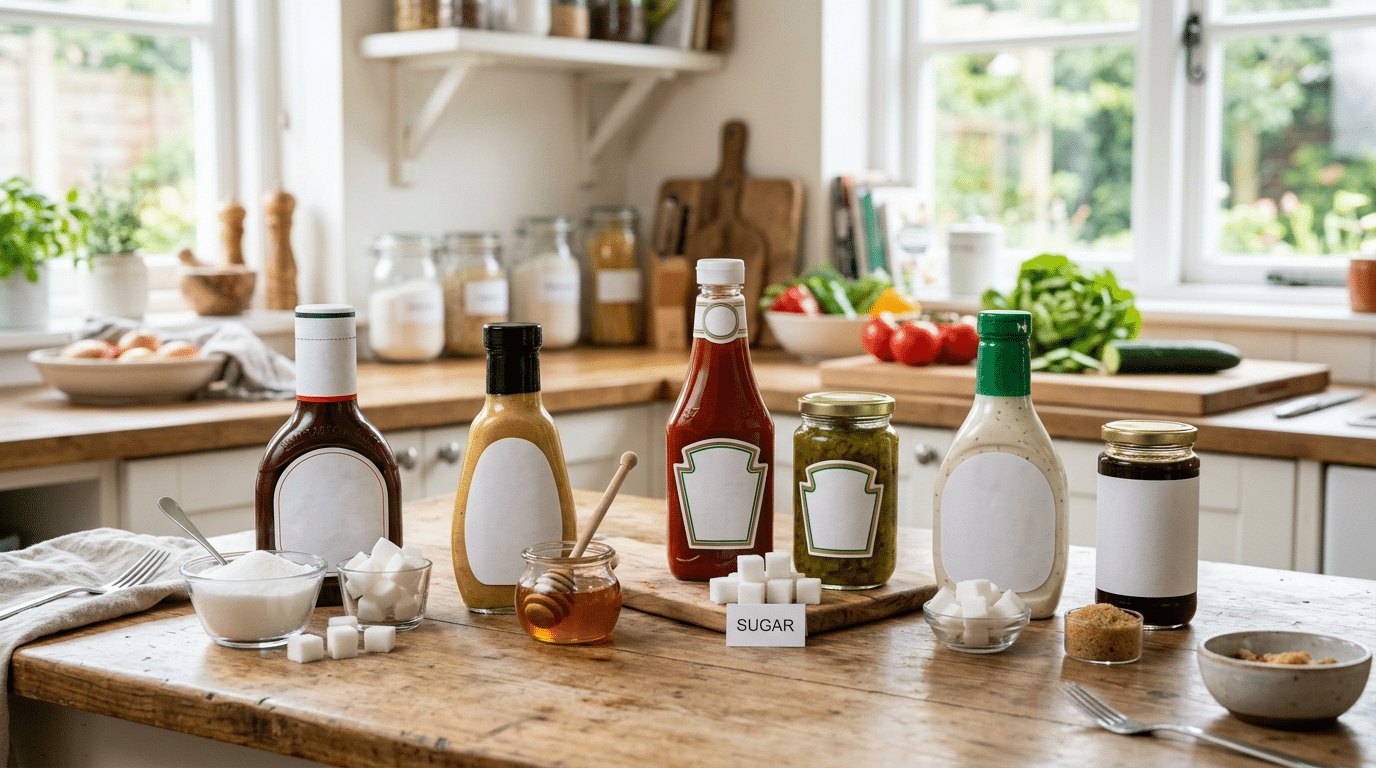
Ketchup, barbecue sauce, and salad dressings often escape scrutiny because they accompany savory foods. Yet these condiments frequently rank among the most sugar-dense products per serving in American kitchens. Standard tomato ketchup contains approximately four grams of sugar per tablespoon, meaning a generous serving can quickly add 12 to 16 grams of sugar to a meal. Barbecue sauce is even more concentrated, with some popular brands containing up to 12 grams of sugar in a two-tablespoon serving.
Salad dressings marketed as fat-free or light often substitute sugar or high-fructose corn syrup for removed fats to maintain palatability. A two-tablespoon serving of fat-free French dressing can contain between 5 and 8 grams of added sugar. Honey mustard varieties and Asian-inspired dressings like sesame ginger often contain even higher amounts due to honey, molasses, or cane sugar appearing prominently in their ingredient lists.
Breakfast Cereals and Granola Products
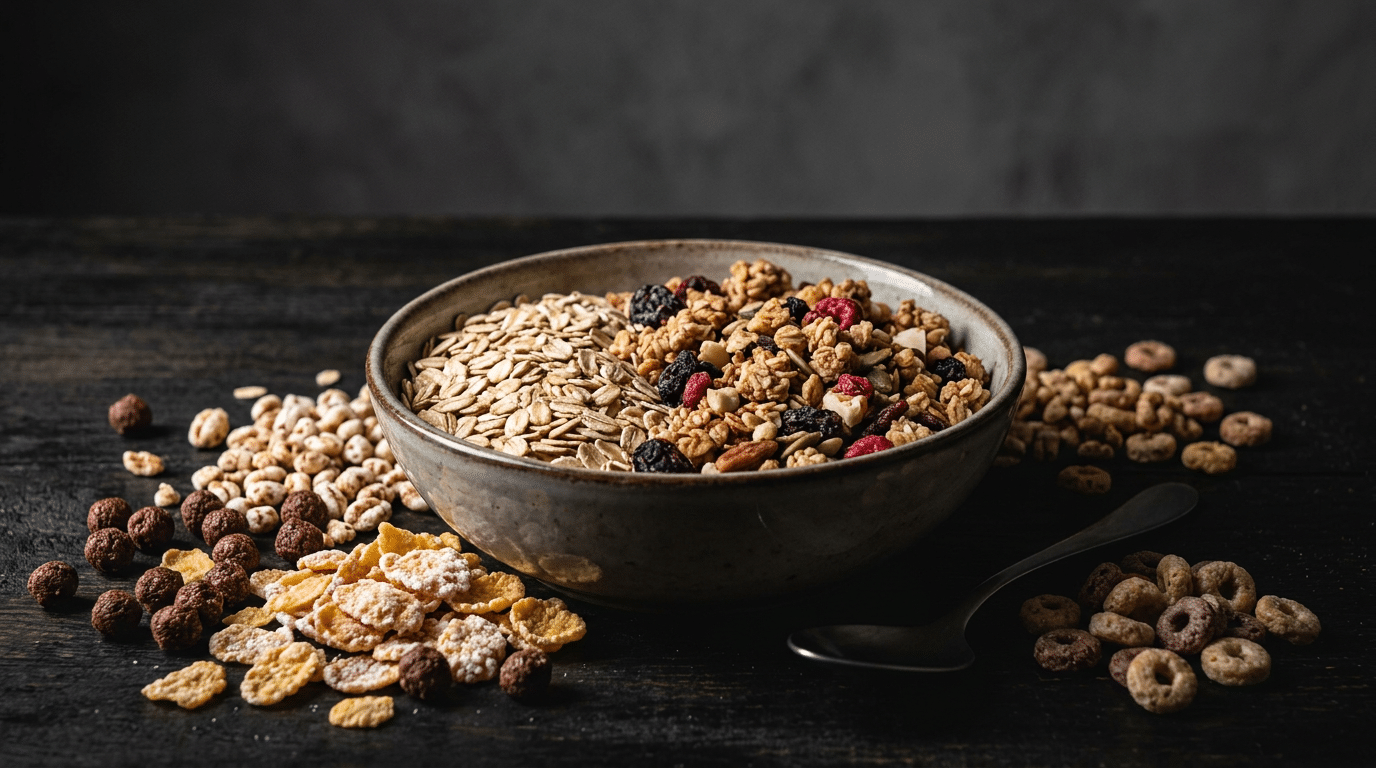
Breakfast cereals, including those marketed toward health-conscious consumers, frequently contain substantial added sugars. According to the Environmental Working Group, many popular cereals marketed to children contain sugar as their primary or secondary ingredient by weight. Even adult-targeted options like granola and bran flakes can contain 10 to 15 grams of sugar per serving. Granola bars, often perceived as wholesome snack alternatives, typically contain between 8 and 14 grams of sugar per bar, with some coated or filled varieties exceeding 20 grams.
Instant oatmeal packets represent another area of concern. While plain oatmeal contains minimal natural sugars, flavored instant varieties such as maple brown sugar or apple cinnamon can contain 10 to 13 grams of added sugar per packet. The convenience factor that makes these products appealing to busy consumers comes at a nutritional cost that often goes unrecognized.
Reading Nutrition Labels Effectively
The FDA’s updated Nutrition Facts label now requires manufacturers to distinguish between total sugars and added sugars. This change, implemented in 2020 for large manufacturers, allows consumers to identify how much sugar occurs naturally versus how much was added during processing. Checking the ingredients list for terms like sucrose, high-fructose corn syrup, cane juice, molasses, and dextrose can also reveal hidden sugar sources.
Plant-Based Milks and Non-Dairy Products

The rise of plant-based milk alternatives has introduced new sources of hidden sugar into consumer diets. While unsweetened varieties exist, many commercially available oat milks, almond milks, and soy milks contain added sugars to improve taste. Original or vanilla-flavored versions can contain between 5 and 12 grams of added sugar per cup. Oat milk, which has gained significant popularity, sometimes contains higher sugar levels than cow’s milk when flavored versions are consumed.
Non-dairy creamers used in coffee present similar concerns. A single tablespoon of flavored coffee creamer can contain 5 grams of sugar, and many consumers use multiple servings per cup. Hazelnut, French vanilla, and caramel varieties are particularly high in added sugars, transforming a zero-calorie beverage into a significant source of daily sugar intake.
Pasta Sauce
Commercial tomato-based pasta sauces often contain 6 to 12 grams of sugar per half-cup serving to balance acidity.
Bread Products
Many commercial bread varieties contain 2 to 4 grams of added sugar per slice, accumulating across multiple servings.
Protein Bars
Despite health positioning, many protein bars contain 15 to 25 grams of sugar per bar, comparable to candy bars.
Dried Fruit
Sweetened dried cranberries and other dried fruits often have added sugar, with some containing 25 grams per quarter cup.
Sports Drinks and Enhanced Water Products
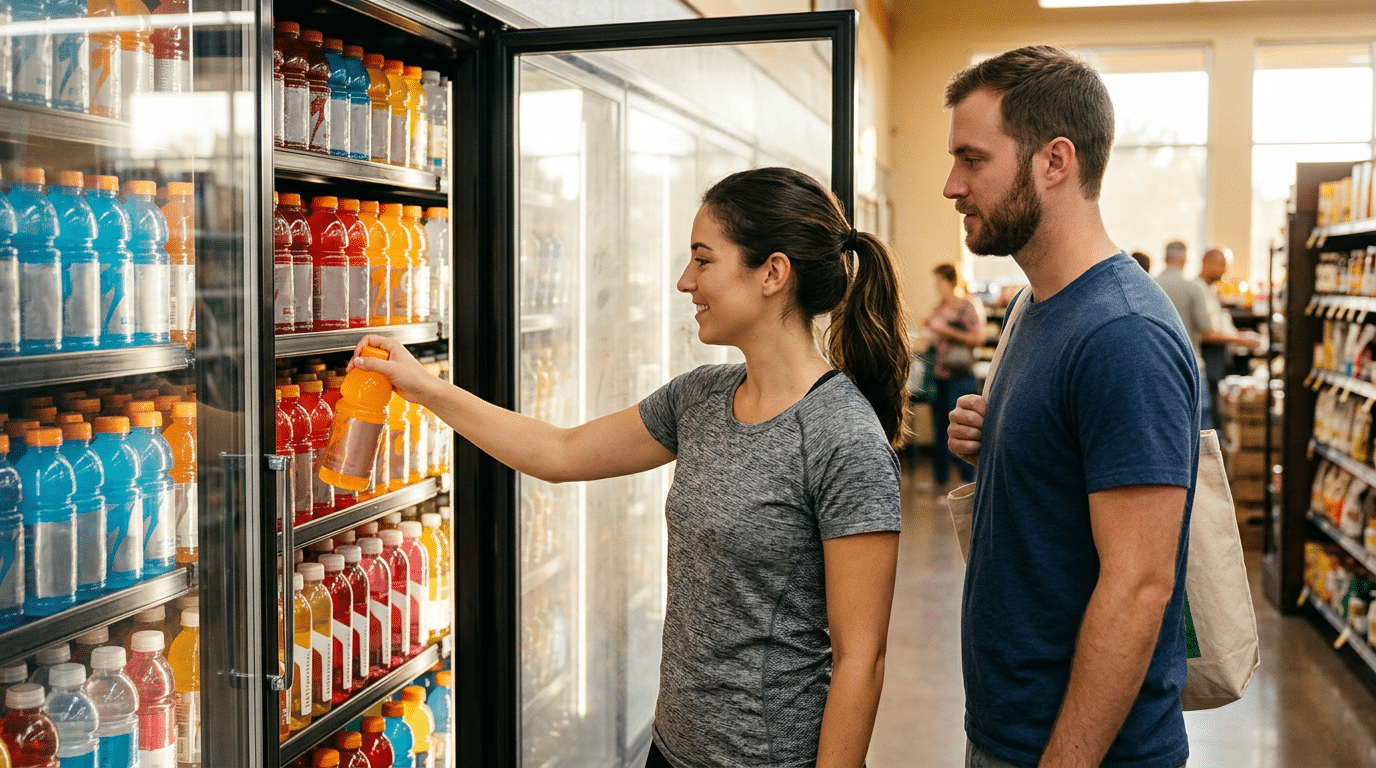
Sports drinks like Gatorade and Powerade were formulated for athletes engaged in prolonged physical activity, yet they have become everyday beverages for many consumers. A 20-ounce bottle of standard sports drink contains approximately 34 grams of sugar. For individuals not engaged in extended vigorous exercise, this sugar intake provides excess calories without corresponding energy expenditure needs.
Enhanced water products and vitamin waters present a similar paradox. Marketed as healthier alternatives to soft drinks, many of these beverages contain 26 to 32 grams of sugar per bottle. The health-oriented branding and inclusion of vitamins can create a perception of nutritional benefit that obscures the significant sugar content. Even some flavored sparkling waters contain added sugars, requiring careful label reading to identify truly unsweetened options.
Practical Steps for Reducing Hidden Sugar Intake
Reading ingredient lists in addition to nutrition facts panels helps identify sugar sources. Choosing plain or unsweetened versions of products and adding natural sweeteners in controlled amounts provides greater control over sugar consumption. Comparing brands within product categories can reveal significant differences in sugar content among similar items.
Making Informed Choices About Sugar Consumption
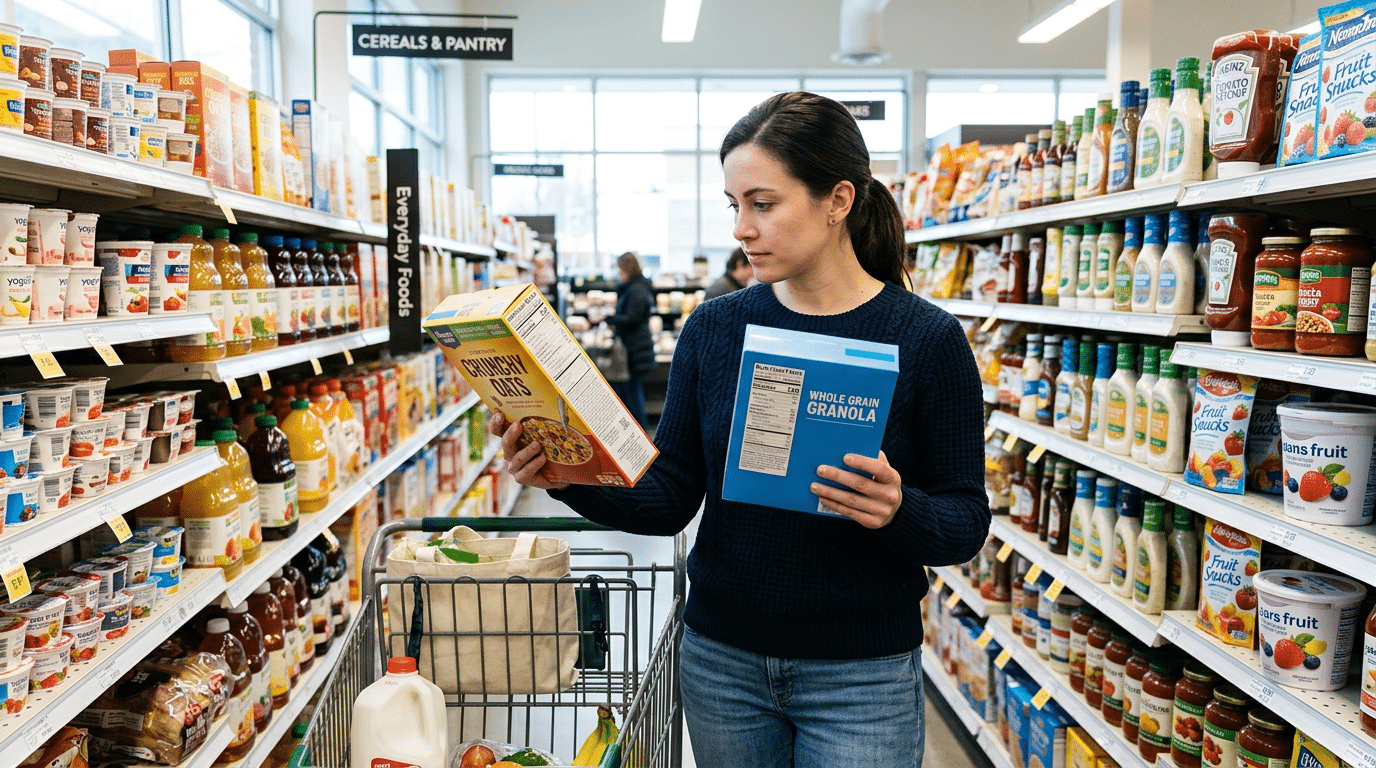
The prevalence of hidden sugars in everyday foods presents a significant challenge for health-conscious consumers, but awareness remains the most powerful tool for making informed dietary decisions. By understanding that sugar appears in unexpected products ranging from savory condiments to health-marketed beverages, individuals can begin scrutinizing labels more carefully and selecting alternatives that align with recommended intake limits. The gradual shift toward reduced sugar consumption need not require eliminating favorite foods entirely, but rather developing a clearer picture of where sugars accumulate throughout daily eating patterns and making adjustments that support long-term health without sacrificing satisfaction.