Many people miss the early warning signs of not getting enough iron, brushing off symptoms that seem minor or unrelated. But iron is a key nutrient your body needs to transport oxygen and keep your cells energized. Without enough of it, your body starts to slow down in subtle but noticeable ways. These changes may creep in gradually, making them easy to dismiss as stress, lack of sleep, or aging. From unexplained tiredness to cold hands and strange cravings, your body often whispers for help long before the situation becomes serious. Recognizing these signals early can prevent long-term health problems and improve your overall well-being.
You Feel Tired Even After a Full Night’s Sleep

Waking up after eight hours of sleep and still feeling exhausted could mean your body isn’t getting enough iron. When iron is low, your body struggles to produce enough hemoglobin, which limits oxygen delivery to your cells. This lack of oxygen forces your body to work harder to complete basic tasks, leading to persistent fatigue. Over time, this tiredness begins to affect your concentration, mood, and motivation throughout the day.
This type of fatigue doesn’t feel the same as staying up too late—it’s more like a constant heaviness. People often describe it as feeling worn down for no clear reason, even on calm or restful days. It may also show up as a lack of energy to complete normal routines, like household chores or exercise. If you’re dragging through your day despite good sleep, iron could be a key piece of the puzzle.
You Notice Pale or Washed-Out Skin
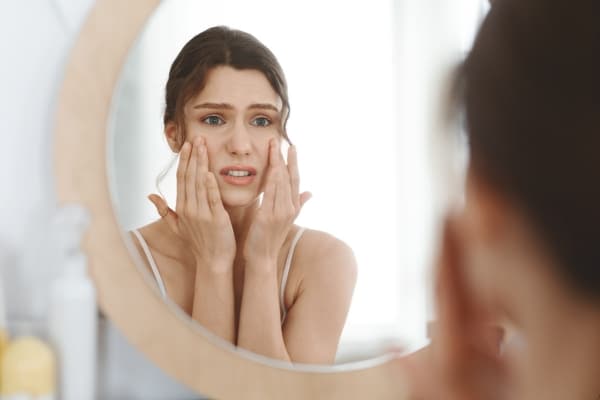
Your skin can reflect more about your health than you might expect, especially when it starts looking unusually pale or dull. Iron gives blood its rich red color, and when levels drop, the skin often loses its usual vibrancy. This paleness may be most noticeable on the face, lips, gums, and even the inside of the lower eyelids. Many people overlook it or blame it on lighting, makeup, or feeling tired.
The change in skin tone happens gradually, making it easy to miss unless you’re paying close attention. Some people notice they look “off” in photos or need more makeup to achieve the same brightness. You may also see a grayish or yellow tint, particularly if iron deficiency worsens over time. This visual cue often goes hand-in-hand with fatigue, forming a clearer picture of what your body might be lacking.
You Get Winded From Simple Tasks

If you’re suddenly out of breath after walking up a short flight of stairs, your body may be signaling that iron is in short supply. When iron levels are low, there’s less hemoglobin available to carry oxygen throughout your system. That leaves your muscles under-supplied, forcing your heart and lungs to work harder during even light activity. What used to feel easy can quickly become exhausting.
You may also notice you’re avoiding physical activity without knowing exactly why. Even everyday tasks like carrying groceries or tidying the house can feel unusually demanding. These moments can sneak up on you, especially if you’re used to being active. Over time, reduced stamina becomes more noticeable, making it harder to keep up with your usual pace.