
Societal and Economic Costs

The societal and economic costs of plastic pollution are substantial. Governments and communities spend billions of dollars annually on cleaning up plastic waste, which could be allocated to other critical areas. This financial burden extends beyond mere cleanup efforts, encompassing the costs of managing health problems caused by plastic pollution.
Moreover, communities directly affected by plastic waste, particularly those near landfills or in coastal areas, face economic challenges. These communities often rely on tourism or fishing, industries heavily impacted by plastic pollution. The long-term societal costs, including healthcare and environmental restoration, add to the urgency of addressing the plastic problem.
Alternatives to Plastic in Food and Beverage

There are viable alternatives to plastic for food and beverage storage. Materials like glass, stainless steel, and bamboo offer safer options. These materials are often more sustainable and eco-friendly and do not leach harmful chemicals. Transitioning to these alternatives can significantly reduce the health and environmental risks of plastic.
Adopting these alternatives requires a shift in consumer behavior and industry practices. Governments and organizations can encourage this transition through policies and education. Individuals can contribute to a larger movement away from plastic by choosing safer materials, benefiting personal health and the environment.
Global Movements Against Plastic

Around the world, there is a growing movement against the use of plastic. Numerous countries and cities have implemented bans or restrictions on single-use plastics. These policies aim to reduce the amount of plastic waste and encourage the use of more sustainable materials. Many organizations and community groups also advocate for greater awareness and action against plastic pollution.
These global movements highlight the collective recognition of the plastic problem and the need for concerted action. From grassroots campaigns to international agreements, efforts are being made to reduce reliance on plastics. These initiatives help mitigate environmental damage and play a vital role in shaping public attitudes and behaviors toward a more sustainable future.
Impact on Wildlife and Marine Life
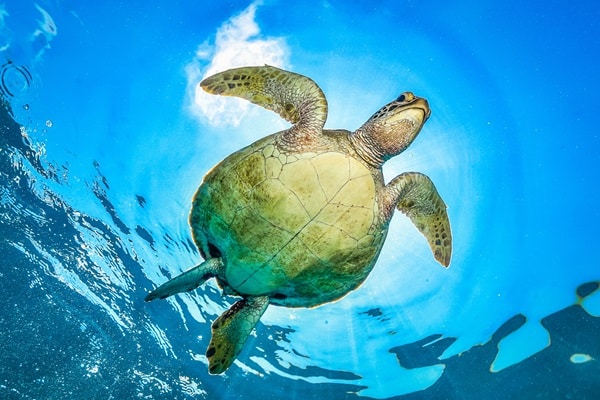
The impact of plastic pollution on wildlife and marine life is devastating. Animals often mistake plastic waste for food, leading to ingestion and, in many cases, fatal blockages or poisoning. In marine environments, plastics have been found in the stomachs of many species, from small fish to large marine mammals.
Beyond ingestion, plastic pollution also poses entanglement risks to wildlife. Animals can become trapped in plastic waste, leading to injury or death. Plastics in natural habitats disrupt ecosystems and can have far-reaching ecological consequences. Protecting wildlife and preserving biodiversity requires addressing the root cause: the pervasive use of plastics.
The Bottom Line
The reasons to avoid eating or drinking from plastic are clear and compelling. From the health risks posed by harmful chemicals to the devastating environmental impacts, the case against plastic is strong. Individuals can contribute to a larger movement towards a sustainable, plastic-free future by understanding these issues and making conscious choices. This collective effort is essential for protecting health, preserving ecosystems, and ensuring a healthier planet for future generations.