
Plastic has become an integral part of daily life in today’s fast-paced world, especially in food and beverage storage. However, the convenience of plastic comes at a cost to human health and the environment. This article delves into why avoiding eating or drinking from plastic is crucial. From the chemical composition of plastics that pose health risks to the environmental consequences of widespread plastic usage, the following sections will comprehensively understand the issues at hand.
Chemical Composition of Plastics

Plastics, widely used for food and beverage containers, contain various chemicals that can be harmful. Substances like Bisphenol A (BPA) and phthalates, often found in these plastics, are known for their potential to leach into food and drinks, especially when heated or exposed to sunlight. The leaching process is facilitated by the physical conditions to which plastic containers are often subjected, like microwaving or prolonged exposure to heat and light.
The presence of these chemicals in food and beverages raises significant health concerns. Research has shown that BPA and phthalates can disrupt hormonal balance and may be linked to various health issues, including reproductive problems and increased cancer risk. The long-term exposure to these chemicals, commonly through repeated use of plastic containers, amplifies these health risks, making it a public health concern.
Health Risks Associated with Plastic

The health risks associated with plastics are not uniform; they vary among different groups. Vulnerable populations, such as children and pregnant women, are at a higher risk due to their developing bodies and the potential for long-term health impacts. These groups are more susceptible to the hormonal disruptions caused by chemicals in plastics, which can lead to developmental and reproductive issues.
Studies have shown continuous exposure to plastic-related chemicals can lead to various health problems. These include endocrine disruption, which can affect bodily functions regulated by hormones, and a potential increase in the risk of certain cancers. The implications are significant, prompting health advisories and guidelines to minimize plastic use, especially in food and beverage containers.
Environmental Impact of Plastic Usage
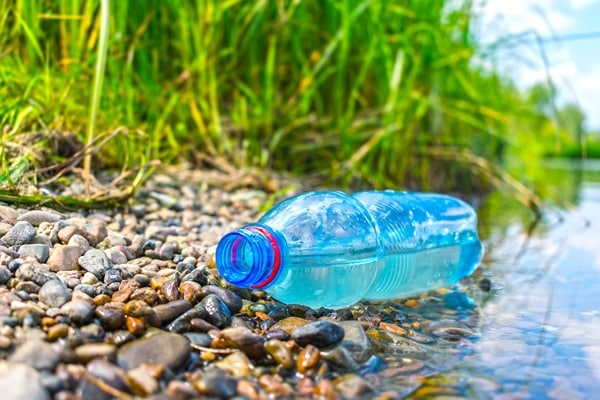
The environmental impact of plastic is vast and multifaceted. Plastics, particularly single-use plastics, contribute significantly to pollution. They are found in large quantities in landfills and oceans, where decomposing takes hundreds of years. This persistence in the environment leads to a buildup of plastic waste, adversely affecting ecosystems and wildlife.
In addition to the visible pollution, the production and disposal of plastic have broader implications for climate change. The production process is energy-intensive and contributes to greenhouse gas emissions, while the degradation of plastics releases harmful chemicals into the environment. This cycle of production and pollution represents a significant environmental challenge, necessitating a shift away from plastic reliance.
The Problem of Microplastics

Microplastics, tiny plastic particles resulting from the breakdown of larger plastic items, have become a pervasive environmental issue. These particles are so small that they are often ingested by wildlife and can make their way into human food sources, particularly seafood. The ubiquity of microplastics has led to their presence in water sources, including drinking water.
The health implications of microplastic consumption are not fully understood, but the potential for harm is clear. These particles can carry toxic substances and, once ingested, may accumulate in the body. Long-term exposure to microplastics and their associated toxins is a growing concern, underlining the need to address the plastic pollution crisis.