
Stretching and Posture Improvement
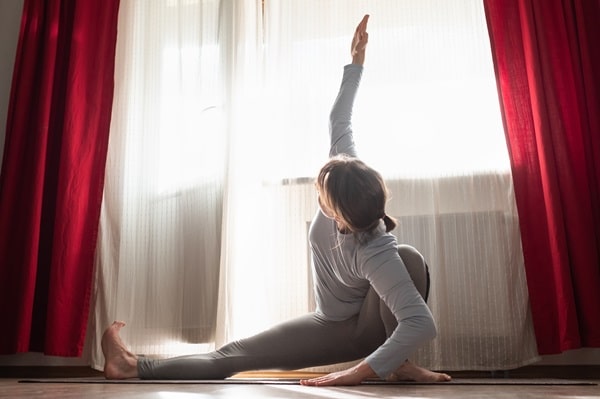
One of the most significant benefits of stretching is its ability to improve posture. Poor posture, often due to sedentary lifestyles and prolonged sitting, can lead to back pain, neck pain, and other musculoskeletal issues. Stretching exercises, especially those targeting the back, neck, and shoulders, can help alleviate these problems. Individuals can enhance their overall body alignment and reduce discomfort by lengthening tight muscles that contribute to poor posture.
Incorporating specific stretches into daily routines can have a lasting impact on spinal health. For instance, stretching that focuses on the lower back can alleviate lumbar discomfort, while neck and shoulder stretches can prevent stiffness and pain in these areas. Over time, these practices can lead to a noticeable improvement in posture, contributing to a more balanced and pain-free body. For anyone experiencing the adverse effects of poor posture, stretching offers a straightforward and effective remedy.
Stretching for Different Age Groups
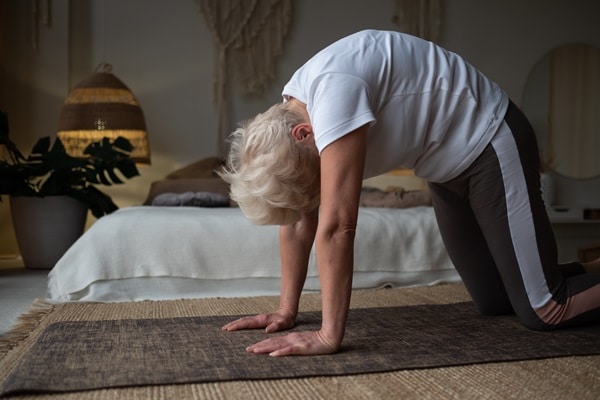
Stretching is beneficial for all age groups, each requiring a tailored approach. For children, stretching can promote physical development and flexibility, which are crucial for their growing bodies. It can also instill good habits early on. Engaging children in simple, fun stretching activities can aid their physical coordination and balance. As individuals age, stretching becomes increasingly important. It helps adults maintain flexibility that diminishes over time and supports an active lifestyle.
For seniors, stretching is vital for maintaining mobility and independence. Age-related stiffness and loss of flexibility can be mitigated through regular stretching exercises. Gentle stretches, focusing on major muscle groups, can enhance seniors’ quality of life by reducing the risk of falls and improving posture. Thus, stretching is a critical physical activity component for all age groups, offering specific benefits that cater to their unique needs.
Incorporating Stretching into Daily Routine

Incorporating stretching into a daily routine need not be a time-consuming process. Even short stretching sessions can yield significant benefits. Integrating simple stretches during work breaks or in the morning can be highly effective for those with busy schedules. Stretching while watching TV or doing household chores can also be a practical way to ensure regular practice.
Creating a habit of stretching requires consistency more than duration. Starting with a few minutes a day and gradually increasing the time can help establish this healthy habit. Additionally, stretching into existing routines, like after a workout or before bedtime, can make it easier to remember and maintain this practice. The key is to make stretching a regular, enjoyable part of daily life.
The Bottom Line
Stretching, an often underestimated component of health and wellness, holds the key to improved physical and mental well-being. From enhancing flexibility and posture to alleviating stress and fostering a sense of mental clarity, the benefits of stretching are manifold. It is a versatile practice that can be adapted for individuals of all ages and lifestyles, proving its universality and necessity. By debunking common myths and embracing stretching as a daily habit, individuals can unlock many benefits that transcend physical fitness. This article has illuminated the multifaceted nature of stretching, underscoring its significance in maintaining a balanced, healthy life. Embracing stretching daily can lead to profound improvements in overall well-being, proving that sometimes, the simplest practices can have the most profound impacts.