
Stretching, often overlooked in the rush of daily routines, is a fundamental aspect of maintaining a healthy and active lifestyle. This article delves into the myriad benefits of stretching, exploring the physical advantages and mental and emotional upliftment it offers. Stretching is not confined to athletes or fitness enthusiasts; it is a vital practice for individuals of all ages and professions. Stretching has far-reaching implications, from improving flexibility and posture to enhancing mental well-being. In the following sections, you’ll explore the different facets of stretching, debunk common myths, and provide practical advice for incorporating stretching into everyday life.
Understanding Stretching and Its Types

Stretching, the deliberate lengthening of muscles to increase muscle flexibility and joint range of motion, is essential to physical fitness. It comes in various forms, each suited for different purposes. Dynamic stretching involves moving parts of the body and gradually increasing reach, speed of movement, or both and is ideal as a warm-up before engaging in vigorous activities. Static stretching, where one holds a stretch in a challenging but comfortable position for some time, is beneficial post-workout. Ballistic stretching uses the momentum of a moving body or a limb to force it beyond its normal range of motion. At the same time, Proprioceptive Neuromuscular Facilitation (PNF) combines passive stretching and isometric contractions. Understanding these types helps choose the most effective stretching routine for one’s needs.
Each type of stretch serves a unique purpose in a fitness regimen. Dynamic stretches prepare the body for physical exertion and sports performance, reducing the risk of injuries. Static stretches are ideal for cooling down after exercise, helping to relax the muscles, improving flexibility, and reducing post-workout soreness. Ballistic stretching, though somewhat controversial due to the risk of injury, can benefit athletes in sports requiring high levels of flexibility. PNF stretching is particularly effective in increasing the range of motion and is often used in rehabilitation settings. Knowing when and how to use each type of stretching can significantly enhance its benefits.
Physical Benefits of Stretching
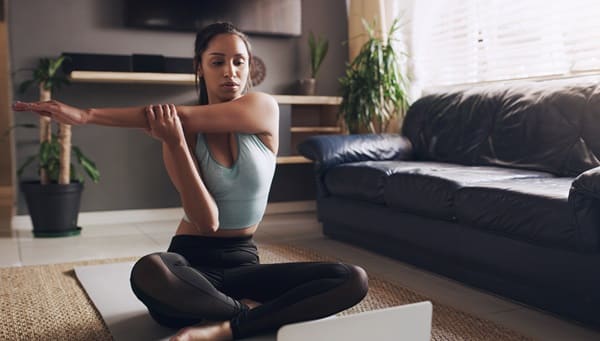
Regular stretching can significantly improve flexibility and joint range of motion. This enhanced flexibility not only aids in daily activities but also decreases the risk of injuries by preparing muscles for exertion. For athletes and individuals engaging in physical activities, stretching is indispensable in maintaining muscular health. Moreover, regular stretching can help alleviate muscle stiffness and soreness, particularly after intense physical exertion, by promoting blood circulation and aiding muscle recovery.
Another key benefit of stretching lies in injury prevention. Tight muscles are prone to strains and sprains, and by increasing flexibility, one can reduce the risk of muscle tears and other related injuries. Stretching also plays a crucial role in correcting muscle imbalances, leading to poor body mechanics and increased wear and tear on joints and muscles. By including stretching in one’s routine, individuals can maintain a healthier musculoskeletal system, enhancing overall physical fitness and performance.
Mental and Emotional Benefits

Stretching goes beyond physical benefits; it profoundly impacts mental and emotional health. Engaging in a regular stretching routine can serve as a powerful stress reliever. It allows individuals to focus on their body’s movements and breathing, fostering a sense of calm and relaxation. This practice can be particularly beneficial in today’s fast-paced world, where stress and anxiety are prevalent. By incorporating stretching into daily life, individuals can create a space for mental decompression and mindfulness.
The mental benefits of stretching extend to improved cognitive function and overall well-being. Stretching exercises encourage the release of endorphins, natural mood lifters, which can lead to a more positive outlook on life. Additionally, focusing on the present moment during stretching can enhance mental clarity and concentration. For those struggling with mental fatigue or seeking a mental boost, stretching offers a simple yet effective solution.