Contents
Monitoring Blood Pressure in Your 60s and 70s

In your 60s and 70s, it’s common for blood pressure to rise slightly due to stiffening arteries and reduced elasticity in the blood vessels. At this stage, the systolic number (the top number) becomes especially important, as elevated readings often reflect age-related changes in the cardiovascular system. Many healthcare providers aim to keep blood pressure below 140/90 mmHg for older adults, though this can vary depending on individual health conditions. It’s essential to balance treatment goals with overall well-being to avoid complications like dizziness or falls.
Managing other chronic conditions—such as diabetes or kidney disease—is crucial, as they can make blood pressure harder to control. Some older adults may require medication, but lifestyle choices still play a major role in maintaining stability. Staying active, eating balanced meals, and avoiding dehydration can help regulate blood pressure naturally. Regular check-ins with your doctor and home monitoring can catch problems early and prevent serious health events.
When Your Numbers Signal Trouble
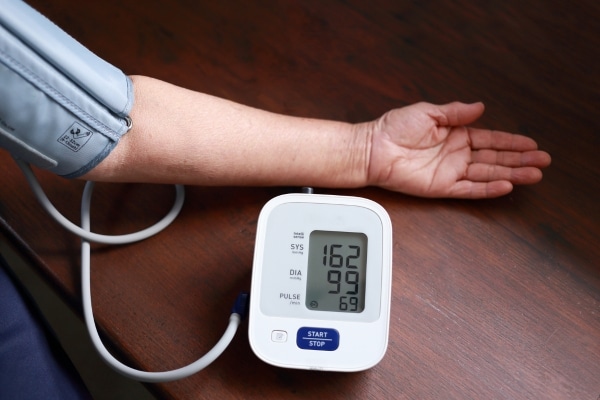
There are times when your blood pressure readings fall outside the healthy range and signal a need for immediate action. Readings consistently above 130/80 mmHg could indicate Stage 1 hypertension, while numbers over 140/90 mmHg move into Stage 2. Dangerously high readings, such as 180/120 mmHg, may be a sign of a hypertensive crisis—especially when paired with symptoms like chest pain, shortness of breath, or vision problems. On the flip side, readings below 90/60 mmHg could indicate low blood pressure, especially if you’re feeling faint or dizzy.
Ignoring the warning signs can lead to serious health consequences, including stroke, heart failure, or kidney damage. Even if you feel fine, high or low readings that appear regularly should never be brushed off. Monitoring your symptoms alongside your readings gives a clearer picture of your cardiovascular health. If your numbers reach dangerous levels or fluctuate wildly, it’s time to consult your healthcare provider for a thorough evaluation.
Tips to Maintain Healthy Blood Pressure at Any Age

Maintaining healthy blood pressure isn’t just about medication—it often starts with small, consistent changes in your daily routine. Regular physical activity, such as walking or swimming, helps strengthen your heart and improve circulation. Eating a balanced diet low in sodium and rich in fruits, vegetables, and whole grains also supports long-term heart health. Reducing alcohol intake and managing caffeine can help keep your numbers in check as well.
Stress management is another key factor that’s often overlooked. Techniques like deep breathing, mindfulness, or even short breaks throughout the day can have a noticeable impact. Staying well-hydrated, getting quality sleep, and quitting smoking are additional habits that support healthy blood pressure at any age. When combined, these lifestyle strategies not only improve your readings but also boost your overall quality of life.
Don’t Let High Blood Pressure Sneak Up on You
Keeping your blood pressure in a healthy range doesn’t have to be overwhelming when you understand what’s normal for your age and how to stay on track. A few smart habits and routine monitoring can go a long way in protecting your heart and preventing future health issues. No matter your age, there’s always time to make changes that support your well-being. Your numbers may shift over time, but staying informed and proactive puts you in control of your long-term health.