Debunking Myths About Charcoal Soap
Despite its popularity, several myths surrounding charcoal soap need to be addressed. One common misconception is that charcoal can extract toxins and impurities beneath the skin. In reality, charcoal’s cleansing action is limited to the skin’s surface, where it effectively removes dirt, oil, and external pollutants. Another overstated claim is that charcoal soap can cure skin conditions like eczema or psoriasis. While it may help manage symptoms like excessive oiliness, it is not a substitute for medical treatment.
It’s also essential to understand that charcoal soap is not universally beneficial for all skin types. For instance, individuals with dry or sensitive skin may find charcoal soap too harsh, leading to irritation or dryness. Similarly, overuse of charcoal soap can strip the skin of its natural oils, leading to an imbalance in the skin’s ecosystem. Therefore, it’s crucial for consumers to differentiate between the marketing hype and the actual benefits of charcoal soap and to use it in moderation as part of a well-rounded skincare regimen.
How to Choose the Right Charcoal Soap

When selecting a charcoal soap, several factors should be considered to ensure it matches your skin type and needs. First, examine the list of ingredients. A good charcoal soap should contain natural ingredients and avoid harsh chemicals like parabens and sulfates. For sensitive skin, look for soaps with added moisturizing ingredients like glycerin or shea butter to balance the drying effect of charcoal. Choose a soap that focuses on deep cleansing and oil control for oily and acne-prone skin.
Another factor to consider is the type and source of charcoal used. Bamboo charcoal, for instance, is known for its finer texture and might be more suitable for sensitive skin. Additionally, it’s wise to research the brand and its reputation for quality and ethical practices. Opt for brands that are transparent about their ingredients and sourcing and prefer those that practice sustainable and cruelty-free production methods.
Charcoal Soap in the DIY Arena
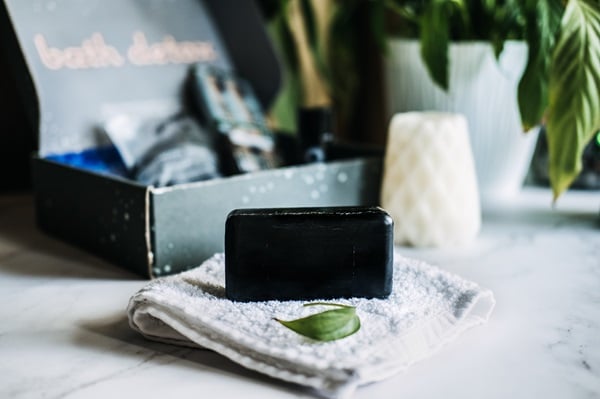
The trend of homemade charcoal soaps is gaining momentum, as it allows for customization according to individual skin needs and preferences. Making your charcoal soap can be a rewarding experience, as it gives you control over the ingredients and their quality. Basic ingredients typically include a soap base, activated charcoal powder, and essential oils for fragrance and additional skin benefits.
However, caution is necessary when making charcoal soap at home. It’s important to use the right proportions of charcoal – too much can be abrasive and drying. Additionally, ensure that the charcoal used is suitable for skin care, as not all types of charcoal are safe for direct skin application. Safety precautions, like wearing gloves and using appropriate utensils, are also vital to prevent mishaps during soap-making.
The Bottom Line
The hype around charcoal soap is a blend of historical reverence and modern-day skincare science. Its benefits, such as deep cleansing, exfoliation, and oil control, are grounded in the unique properties of charcoal, particularly its ability to absorb excess oils and impurities. However, it’s crucial to navigate the world of charcoal soap with a discerning eye, separating marketing myths from tangible benefits and understanding its suitability for different skin types.