Charcoal soap has surged in popularity, carving out a significant niche in the beauty industry. Once a traditional skincare remedy, it has become a modern, natural-based skincare symbol. This soap, known for its distinct black hue, primarily owes its fame to activated charcoal, a form of carbon processed with low-volume pores that increase its absorption capacity. These pores help trap chemicals and toxins, making them a go-to ingredient for deep cleansing and detoxifying skin treatments. This article delves into the reasons behind its popularity, benefits, misconceptions, and the implications of using charcoal in skin care products.
The Rise of Charcoal Soap in the Beauty Industry

Charcoal soap’s journey to popularity is rooted in history, dating back to ancient times when charcoal was used for cleansing and medicinal purposes. Fast forward to the 21st century, it has emerged as a staple in the beauty industry, favored for its perceived natural purity and effectiveness. The appeal of charcoal soap lies in its functionality and the growing consumer inclination toward organic and natural skincare products. People are increasingly drawn to products that promise a return to natural ingredients, and charcoal soap fits this bill perfectly, offering a blend of traditional and modern skincare.
A shift in consumer behavior also fuels the appeal. Today’s consumers are more informed and selective about their skincare choices. They seek products that offer specific benefits like detoxification, exfoliation, and oil control, which charcoal soap claims to provide. This demand has led to a proliferation of charcoal-based skincare products, including soaps, catering to various skin types and concerns. The beauty industry’s marketing prowess, highlighting charcoal’s unique qualities, further adds to the allure, making it a trendy and sought-after product.
Understanding Charcoal: Composition and Properties
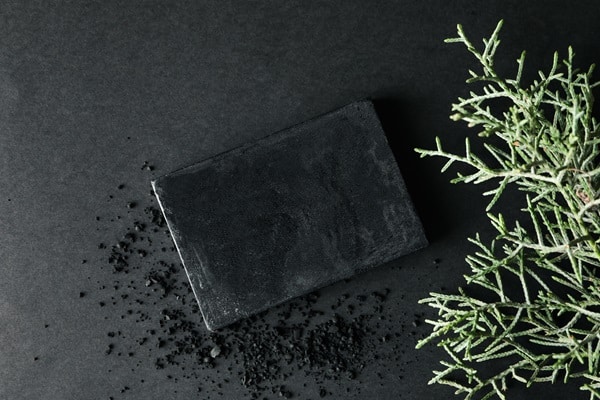
Charcoal, particularly activated charcoal, is the star ingredient in charcoal soap. It is produced from carbon-rich materials like wood, coconut shells, or bamboo, heated to high temperatures in a gas that causes the material to develop internal pores. These pores are what give activated charcoal its unique absorption properties. This charcoal can bind to dirt, toxins, and excess oils on the skin, making it an effective cleanser.
The properties of charcoal that are most beneficial for skincare include its high absorptivity and gentle abrasiveness. These properties make charcoal an excellent ingredient for deep cleansing and mild exfoliation. While it doesn’t absorb toxins from the body (a common misconception), it effectively cleans the skin’s surface. There are different types of charcoal used in soaps, with activated charcoal being the most common. Its effectiveness is due to its porous surface, which helps trap impurities, making it an ideal component of skincare routines focused on purification and balance.
The Skin Care Benefits of Charcoal Soap
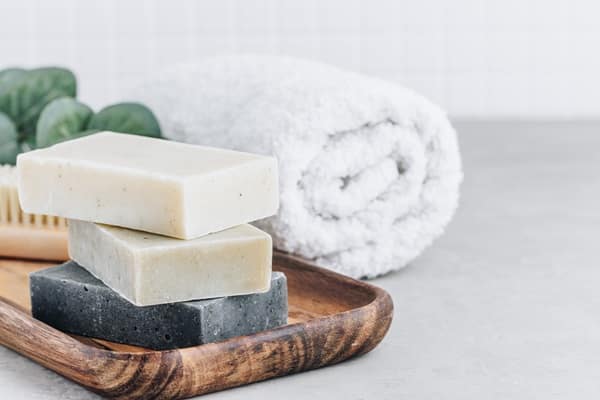
Charcoal soap is renowned for its multiple skin benefits, primarily its deep cleansing capability. It’s particularly effective for people living in urban areas where pollution and environmental toxins can clog pores. Charcoal soap binds to these impurities and helps remove them from the skin, providing a deep clean that is hard to achieve with regular soaps. This deep cleansing ability is also beneficial for acne-prone skin, as it helps to remove the dirt and oils that often contribute to breakouts.
Another significant benefit of charcoal soap is its natural exfoliating properties. The texture of charcoal provides gentle exfoliation, helping to remove dead skin cells and revealing fresher, brighter skin underneath. This makes it an excellent option for those looking to rejuvenate their skin without harsh chemicals. Additionally, charcoal is known for its oil-absorbing properties. It’s particularly beneficial for individuals with oily skin, as it can help to control excessive oil production, leading to a more balanced and matte complexion. Despite these benefits, it’s important to remember that results can vary depending on skin type and the specific formulation of the charcoal soap.