Contents
Paper Bags and Newspapers
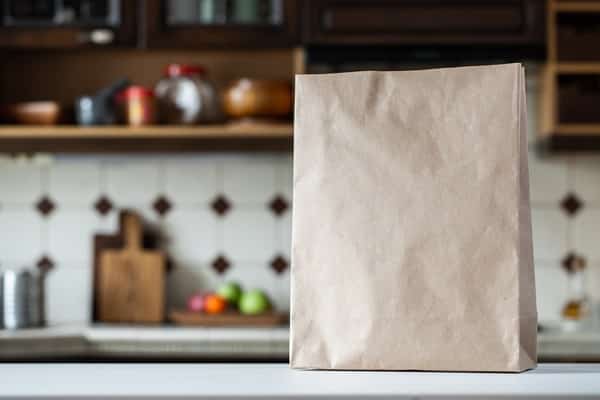
Microwaving paper bags and newspapers is a significant fire hazard. Paper, particularly when crinkled or folded, can easily ignite when exposed to the intense heat inside a microwave. This risk is compounded if the paper has absorbed oil or grease, which can lower its ignition point. In addition to the fire risk, newspapers and printed paper bags often contain inks and dyes that can release toxic fumes when heated. These fumes not only pose a health risk but can also impart an unpleasant taste to your food, ruining your meal.
Instead of using paper products, opt for microwave-safe alternatives like wax paper, parchment paper, or microwave-safe plastic covers. These materials are designed to withstand microwave heat without the risks associated with paper bags and newspapers. Wax paper, in particular, is a good option for covering food as it prevents splattering and retains moisture, without the fire risk. By making this simple switch, you can significantly reduce the risks associated with microwaving and ensure that your food is both safe to eat and delicious.
Fruit and Vegetables

Microwaving whole fruits and vegetables without proper preparation can be dangerous. Certain fruits and vegetables, such as grapes and potatoes, can explode in the microwave due to the buildup of steam inside their skins. This not only creates a mess but can also damage the microwave. Moreover, the uneven heating typical of microwaves can result in partially cooked, potentially hazardous food. It’s essential to understand that while microwaves are convenient, they may not always be the best method for cooking every type of produce.
To safely microwave produce, take the time to prepare them correctly. For fruits and vegetables with skins, like potatoes or apples, pierce the skin several times with a fork to allow steam to escape. Also, use a microwave-safe dish and cover the food with a microwave-safe lid or wrap to ensure even cooking. These steps help prevent explosions and ensure that your fruits and vegetables are cooked properly, making them safe to eat. Remember, a little preparation can go a long way in ensuring both safety and quality when using your microwave.
Eggs and Shellfish

Microwaving eggs in their shells is a recipe for disaster. The rapid heat causes pressure to build up inside the shell, often leading to explosions that can make a mess of your microwave and potentially cause burns. Similarly, shellfish like clams, mussels, and oysters can explode when microwaved in their shells due to steam buildup. Beyond the mess and danger, these explosions can also unevenly cook the food, making it unsafe to eat. Therefore, avoiding microwaving these items in their natural casings is crucial.
If you need to microwave eggs or shellfish, there are safe ways to do so. For eggs, crack them into a microwave-safe bowl, pierce the yolks, and cover the bowl before microwaving. This allows the steam to escape and cooks the eggs evenly. For shellfish, remove them from their shells and place them in a microwave-safe dish, covered with a lid or wrap. These methods ensure that your food is cooked safely and evenly without the risk of explosions or undercooking. Always remember that understanding the proper way to microwave different foods can significantly enhance your cooking experience and safety.
Nothing at All (Empty Microwave)
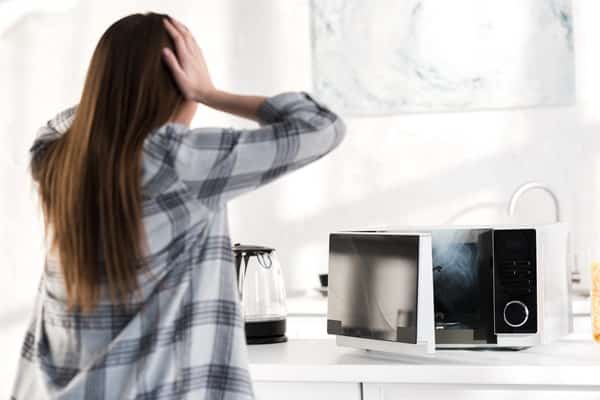
Running a microwave empty is a mistake that can lead to severe damage. When there’s nothing inside to absorb the microwaves, the energy bounces around the cavity and is eventually absorbed by the magnetron, the component that generates the microwaves. This can cause the magnetron to overheat and potentially burn out, leading to costly repairs or the need to replace the entire microwave. In some cases, running an empty microwave can even lead to a fire, making it a risky oversight.
To maintain the health of your microwave, it’s essential to follow proper usage guidelines. Never turn on the microwave when it’s empty, and always ensure there’s something inside to absorb the microwaves. It’s also a good practice to regularly clean and inspect your microwave for any signs of damage or wear. Regular maintenance can extend the life of your microwave and prevent accidents. Remember, a microwave is a powerful appliance, and treating it with care and respect is essential for safe and effective use.
Microwave Smart, Stay Safe
The key to microwave safety lies in being mindful of what you put inside it. Avoiding hazardous materials like metal, certain plastics, Styrofoam, and other mentioned items will not only prevent damage to your appliance but also safeguard your health. Remember to always check if an item is microwave-safe before using it. Commit to using your microwave wisely, ensuring a safe kitchen environment. Share this knowledge with friends and family, and let’s all contribute to safer, smarter microwaving practices.