
Worst Foods To Eat Before Bed
Some foods can seriously disrupt sleep patterns and digestion when consumed before bedtime. It’s crucial to identify and avoid these to maintain a healthy sleep cycle.
High-Fat Foods

High-fat foods, particularly those rich in saturated fats, should be avoided before sleep. Foods like fried items and cheeseburgers are not only heavy but also difficult to digest, potentially leading to discomfort and sleep disturbances. The body’s slower digestive process at night means these foods can sit in the stomach, causing indigestion and heartburn, which are detrimental to sleep quality.
In addition, high-fat meals can cause fluctuations in blood sugar levels during the night, further disrupting sleep. Avoiding such foods in the evening can thus significantly improve the quality of sleep, ensuring that the body and mind are well-rested for the following day.
Spicy Foods
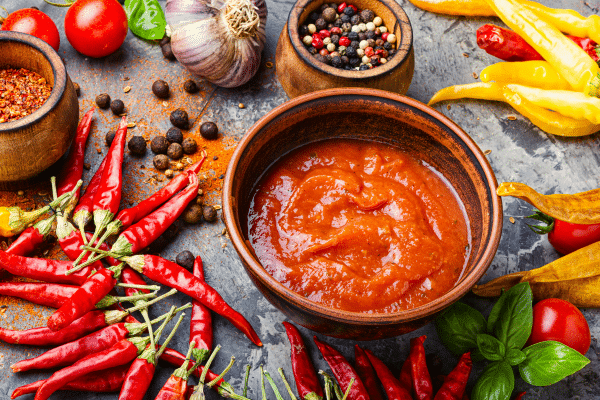
Spicy foods are another category to avoid before bedtime. Ingredients like hot peppers, which are common in many cuisines, can lead to indigestion and heartburn, significantly disrupting sleep. The capsaicin in spicy foods can raise body temperature, making it harder to fall asleep as the body struggles to cool down.
Also, the acidity of foods like salsa can exacerbate issues like acid reflux, particularly when lying down. For those sensitive to spice or with a history of digestive issues, steering clear of spicy meals in the evening can greatly enhance sleep quality. Choosing milder flavors for dinner helps ensure the digestive system remains calm and ready for a good night’s rest.
Caffeinated Drinks
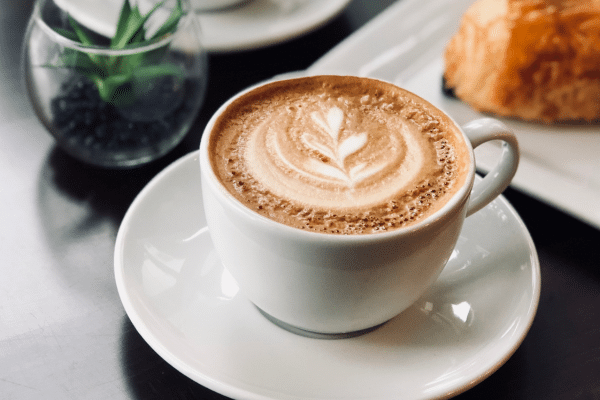
Caffeinated drinks are a well-known enemy of good sleep. Beverages like coffee, cola, and energy drinks, often consumed for an energy boost, can have lingering effects that disrupt sleep patterns. The caffeine in these drinks can stay in the system for several hours, delaying the onset of sleep and reducing the time spent in the deep, restorative stages of sleep.
Furthermore, for individuals sensitive to caffeine, even small amounts in the evening can cause restlessness and insomnia. Replacing caffeinated beverages with herbal teas or warm milk in the evening can be a helpful strategy to promote relaxation and improve sleep quality.
Foods High In Sugar

Foods high in sugar, such as candy and certain desserts, can also negatively impact sleep. Consuming these foods before bed can cause fluctuations in blood sugar levels, leading to energy spikes and crashes. These rapid changes in blood sugar can interrupt the natural sleep cycle, making it difficult to fall asleep and stay asleep.
Additionally, high sugar intake has been linked to restless, non-restorative sleep and can lead to waking up feeling unrefreshed. Opting for a light, low-sugar snack if hungry before bed is a better choice for maintaining stable blood sugar levels and encouraging restful sleep.
The Bottom Line
The choice of foods and drinks consumed before bed plays a significant role in the quality of sleep. It’s not just about avoiding certain foods but also about incorporating those that aid in relaxation and support the body’s natural sleep processes. Opting for complex carbohydrates, lean proteins, healthy fats, and certain fruits and vegetables while steering clear of high-fat, spicy, caffeinated, and high-sugar foods can make a substantial difference in sleep quality. This balance is key to not only improving sleep but also supporting overall health and well-being. By making informed dietary choices, individuals can enjoy deeper, more restorative sleep and wake up feeling refreshed and ready to tackle the day.