Cooking oils are a cornerstone of culinary practices worldwide, playing a pivotal role in flavoring and cooking and contributing to the nutritional value of meals. The health benefits of cooking oils vary widely, influenced by their fatty acid composition, nutrient content, and heat stability. This article delves into the healthiest cooking oils, examining their nutritional profiles, health benefits, and best culinary uses. The aim is to provide a comprehensive guide to help readers make informed choices about the oils they use in their kitchens.
Olive Oil: A Heart-Healthy Staple

Olive oil, particularly extra virgin olive oil, is renowned for its health benefits and is a staple in the Mediterranean diet. It’s primarily composed of monounsaturated fats, which are known to support heart health. The oil is also rich in antioxidants like polyphenols, which combat oxidative stress and inflammation. Its health benefits are most potent when used in cold dishes like salads or added to foods after cooking to preserve its nutritional qualities.
Despite its numerous health benefits, olive oil has a lower smoke point than other oils, making it less ideal for high-temperature cooking. It’s best suited for light sautéing, dressings, and as a finishing oil. Its distinct flavor can enhance the taste of various dishes, making it a popular choice in kitchens worldwide.
Coconut Oil: Saturated Fat, But Not All Bad
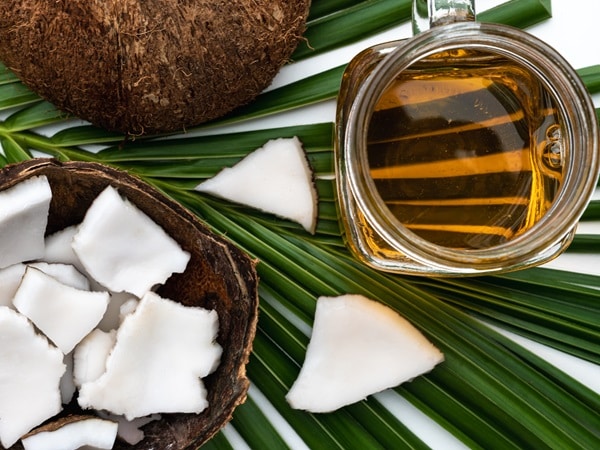
Coconut oil has gained popularity for its unique composition and potential health benefits. It is high in saturated fats, but these are mostly medium-chain triglycerides (MCTs), which are metabolized differently than other fats. MCTs are known to aid in weight management and may positively impact cholesterol levels. However, due to its high saturated fat content, moderation is key when incorporating coconut oil into a diet.
In the kitchen, coconut oil is versatile due to its high smoke point and distinctive flavor. It is a preferred oil for baking and frying and is a dairy-free alternative in many recipes. While its health benefits are debatable, coconut oil remains a favored choice for many health-conscious cooks.
Avocado Oil: The Versatile, Nutrient-Rich Option

Avocado oil is a nutrient-dense oil gaining popularity for its health benefits and culinary versatility. It is rich in monounsaturated fats, which are beneficial for heart health and can help reduce cholesterol levels. The oil is also a good source of vitamin E, an antioxidant that supports skin health. Its mild flavor and high smoke point suit various cooking methods.
Unlike other oils, avocado oil retains its nutritional properties even at high temperatures, making it ideal for frying, grilling, and roasting. Its mild, buttery flavor complements a range of dishes, from salads to marinades, making it a versatile addition to any kitchen.