
Canola Oil: A Controversial, Yet Common Choice

Canola oil is a commonly used cooking oil with a low saturated fat content and a high omega-3 fatty acid profile. Its neutral flavor and high smoke point make it suitable for various cooking methods, including frying and baking. Canola oil’s balanced fatty acid composition makes it a heart-healthy option, as it can improve cholesterol levels and reduce the risk of heart disease.
However, canola oil is often surrounded by controversy due to concerns about its processing methods and the widespread use of genetically modified crops. Despite these concerns, it remains a popular choice in many households and is often recommended for its nutritional benefits and versatility in cooking.
Flaxseed Oil: A Vegan Omega-3 Powerhouse

Flaxseed oil is celebrated for its high alpha-linolenic acid (ALA) content, an omega-3 fatty acid crucial for heart health. This makes it an excellent choice for those following a vegan or vegetarian diet. Rich in anti-inflammatory properties, flaxseed oil can reduce the risk of chronic diseases and improve overall health. Additionally, it is a good source of lignans, compounds that may have antioxidant properties.
However, flaxseed oil is unsuitable for cooking due to its low smoke point and tendency to oxidize quickly. It’s best used in cold applications like salad dressings or added to smoothies. Its nutty flavor can enhance the taste of various dishes, making it a nutritious addition to a balanced diet.
Walnut Oil: For A Nutty, Nutritional Boost
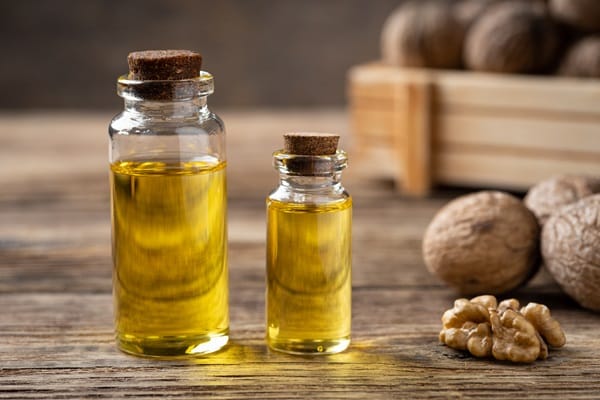
Walnut oil, with its rich, nutty flavor, is a less common but highly nutritious cooking oil. It’s particularly high in polyunsaturated fats, including omega-3 fatty acids, which are known for their brain health benefits. The oil also contains antioxidants and anti-inflammatory properties, contributing to overall health and well-being. Its unique flavor makes it a delightful addition to salads and baked goods.
While walnut oil offers significant health benefits, its low smoke point is not ideal for high-heat cooking. It’s best used as a finishing oil or in dressings and dips. Integrating walnut oil into your diet can provide a delicious and nutritious twist to your meals.
Grapeseed Oil: The Light, Cholesterol-Lowering Choice

Grapeseed oil is another healthful option, known for its light flavor and high smoke point, making it suitable for various cooking methods. It’s high in polyunsaturated fats and vitamin E, an antioxidant that supports skin health and immune function. Grapeseed oil is also believed to have properties that can help lower cholesterol levels and improve heart health.
This oil’s versatility in the kitchen is remarkable. It can be used for stir-frying, grilling, and in salad dressings. Its neutral flavor does not overpower other ingredients, making it an excellent choice for various culinary applications.
The Bottom Line
In conclusion, the world of cooking oils offers diverse options, each with unique nutritional benefits and culinary uses. From the heart-healthy properties of olive and avocado oils to the unique omega-3 content of flaxseed and walnut oils, there’s an oil to suit every health need and cooking style. Grapeseed oil’s versatility and canola oil’s balanced profile further enrich this list. Understanding these oils’ properties allows individuals to make informed choices that align with their health goals and culinary preferences. As with any dietary choice, moderation and variety are key. Experimenting with different oils can boost the nutritional value of meals and add new flavors and dimensions to cooking.