
Oral Infections
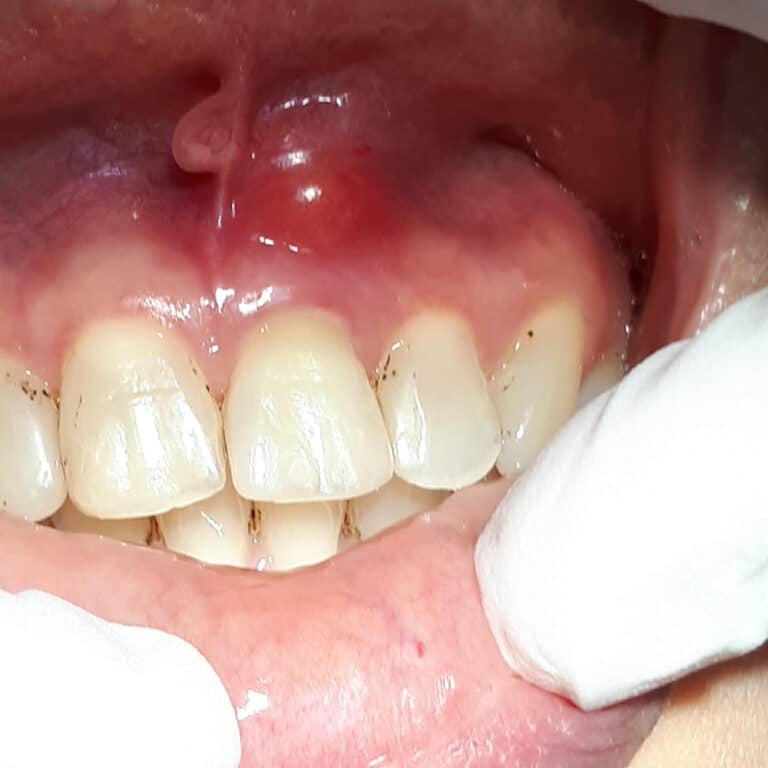
Oral infections are a serious consequence of neglected dental health, often resulting from untreated tooth decay, gum disease, or injury. These infections can lead to painful abscesses, which are collections of pus caused by bacterial infection. Not only do these infections cause severe discomfort, but they can also spread to other parts of the body if not properly treated, leading to more severe health complications.
The risk of developing oral infections can be minimized through regular dental hygiene practices, including proper brushing, flossing, and regular dental check-ups. When oral infections are caught early, they are much easier to treat. Dental professionals can provide treatments ranging from antibiotics to more advanced procedures depending on the severity of the infection. Thus, proactive oral care is essential in preventing these painful and potentially dangerous conditions.
Increased Health Risks
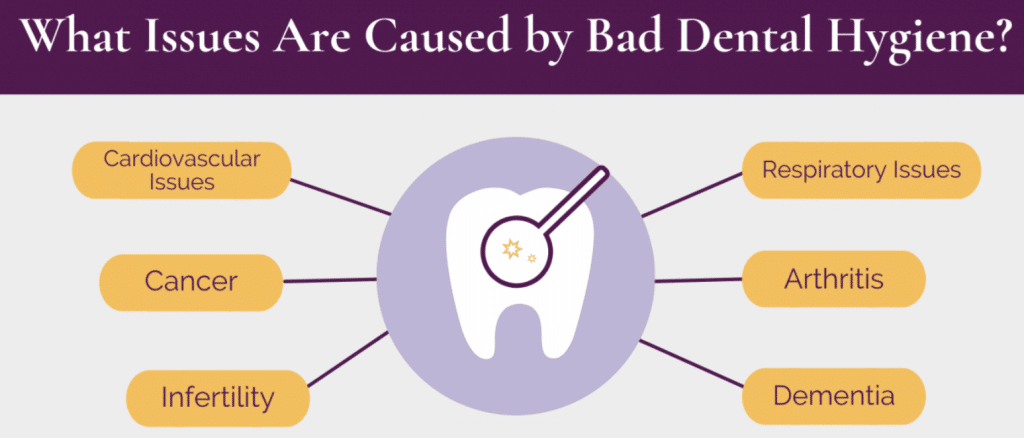
Neglecting dental health can contribute to increased risks for several systemic health conditions. Studies have linked poor oral hygiene to cardiovascular disease, as bacteria from the mouth can enter the bloodstream, causing inflammation and arterial plaque buildup. This can increase the risk of heart attacks and strokes. Similarly, there’s a well-established link between poor oral health and diabetes; gum disease can make blood sugar control more difficult, exacerbating diabetic conditions.
Additionally, poor oral health during pregnancy has been associated with adverse outcomes such as preterm birth and low birth weight. This underlines the importance of dental care as part of prenatal healthcare. It is crucial to maintain good oral hygiene and seek regular dental care not only for oral health but also for overall health and well-being. This holistic view of health underscores the interconnected nature of oral health with the rest of the body.
Financial Costs

The financial implications of neglecting dental health are often substantial. Preventative dental care, while sometimes viewed as an unnecessary expense, is far less costly than the treatments required for advanced dental issues. Regular cleanings and check-ups can prevent the development of serious problems that require expensive procedures such as root canals, crowns, or implants. The cost of neglecting dental health extends beyond just the immediate treatments, as ongoing care and maintenance for chronic conditions can accumulate over time.
In addition to the direct costs of treatment, there are indirect financial consequences. Dental problems can lead to missed work days and reduced productivity, affecting income and job performance. For many, particularly those without dental insurance, the costs can become prohibitive, leading to a cycle of ongoing dental problems and worsening health. This underscores the importance of investing in preventive dental care as a cost-effective strategy for maintaining overall health and financial stability.
Impact On Quality Of Life

Neglecting dental health can significantly impact one’s quality of life. Dental problems can make basic activities like eating and speaking challenging and painful. For instance, tooth loss or severe decay can limit the types of food one can comfortably eat, affecting nutrition and enjoyment of meals. Additionally, the discomfort from dental issues can disrupt sleep and daily activities, diminishing overall life satisfaction.
The psychological impact of poor dental health is profound. Visible dental problems can lead to self-consciousness, reduced self-esteem, and reluctance to smile or engage socially. This can affect personal relationships and professional opportunities, as first impressions are often influenced by one’s appearance, including their smile. Addressing dental health is therefore not just about physical well-being but also about improving and maintaining mental and social health.
The Bottom Line
The consequences of neglecting dental health are far-reaching, affecting not only oral health but also overall physical, psychological, and financial well-being. This post has highlighted the importance of regular dental care and good oral hygiene practices in preventing a range of problems from gum disease and tooth decay to systemic health issues and quality of life impacts. Embracing preventive measures and seeking timely professional dental care are crucial steps in maintaining not just a healthy smile, but a healthy life. The investment in dental health is an investment in one’s overall well-being and future.