Sunflower Oil

Sunflower oil is appreciated for its light taste and high smoke point. It comes in three main types: high oleic, mid oleic, and linoleic, each differing in their fatty acid composition. High oleic sunflower oil, rich in monounsaturated fats, has the highest smoke point, making it suitable for high-heat cooking and frying.
Mid-oleic sunflower oil, a balance between high oleic and linoleic, offers a moderate smoke point suitable for general cooking. Linoleic sunflower oil, high in polyunsaturated fats, has a lower smoke point and is best used in salad dressings and low-heat cooking. The choice of sunflower oil type can significantly impact a dish’s nutritional profile and cooking suitability.
Soybean Oil
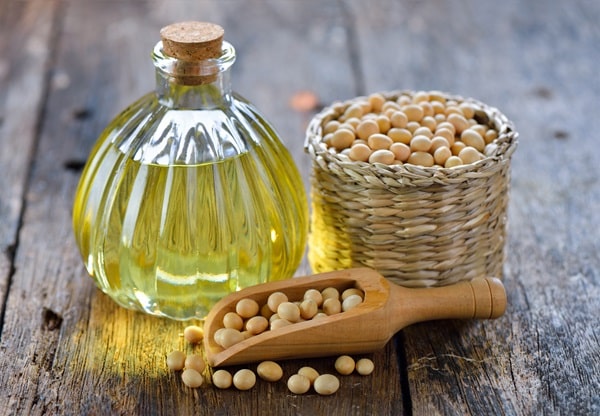
Soybean oil, one of the most commonly used oils in commercial and home cooking, is known for its high smoke point and neutral flavor. This makes it an excellent choice for various cooking methods, particularly frying and baking. Soybean oil’s versatility is evident in its widespread use in salad dressings, sauces, and marinades.
Nutritionally, soybean oil is a good source of polyunsaturated fats and Vitamin E. Its high smoke point ensures it can withstand high temperatures without breaking down, making it a safer choice for high-heat cooking. However, its high omega-6 fatty acid content has raised some nutritional concerns, highlighting the need for balance and variety in oil consumption.
Peanut Oil

Peanut oil, with its distinct flavor and high smoke point, is a favorite in Asian and Southern cooking. Its ability to withstand high temperatures makes it ideal for deep-frying and stir-frying, where its nutty flavor can enhance the taste of the food. Peanut oil is also popular in marinades and dressings, adding a unique flavor to dishes.
From a health perspective, peanut oil is high in monounsaturated fats, which are beneficial for heart health. Its high smoke point reduces the risk of harmful compounds forming during cooking, making it a safer choice for high-temperature cooking methods. Despite its benefits, those with peanut allergies need to be cautious, as peanut oil can trigger allergic reactions in sensitive individuals.
Avocado Oil
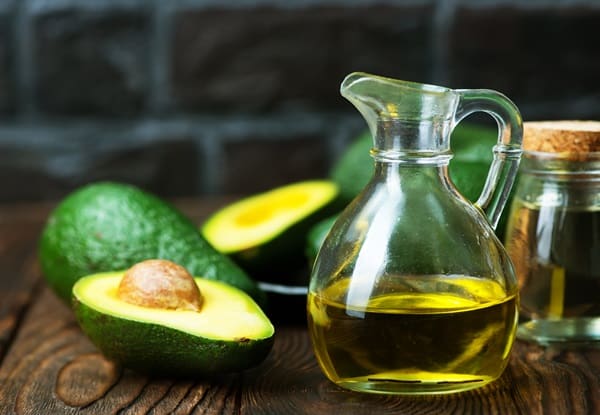
Avocado oil, known for its high smoke point and nutritional value, is gaining popularity. Its smoke point is among the highest cooking oils, making it suitable for searing, frying, and other high-heat cooking methods. The oil’s rich, buttery flavor makes it a great addition to salads and dips.
Nutritionally, avocado oil is high in monounsaturated fats and vitamin E, making it a heart-healthy choice. Its ability to withstand high temperatures without breaking down preserves its nutritional value and flavor, even when used in high-heat cooking. Avocado oil’s versatility and health benefits make it a valuable addition to the kitchen.
The Bottom Line
Understanding the smoke points of different cooking oils is key to their effective and safe use in cooking. This article has explored the smoke points and best culinary uses of various oils, including olive, coconut, canola, sunflower, soybean, peanut, and avocado oils. Each oil offers unique flavors and health benefits, making them suitable for different cooking methods and dietary preferences. Experimenting with these oils can enhance the taste, nutritional value, and safety of the dishes prepared, underscoring the importance of choosing the right oil for the right purpose. With this knowledge, home cooks and professional chefs can make informed decisions to bring out the best in their culinary creations.