Contents
Light and Satisfying Dinner Recipes
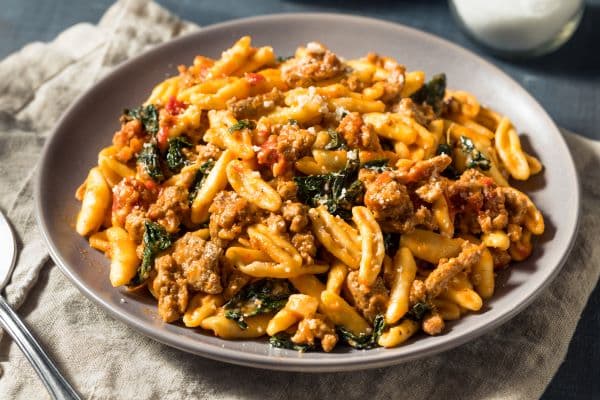
Dinner plays a pivotal role in weight management. It should be the lightest meal of the day, as the body prepares for rest and requires less energy. Ideal dinner options are low in calories but high in nutrients. Grilled or baked protein sources like fish, chicken, or tofu, accompanied by a generous serving of vegetables, make for a perfect dinner. Stir-fries with lean protein and a variety of vegetables are quick to prepare and packed with nutrients.
Another excellent dinner option is broth-based soups or stews. They are hydrating, filling, and low in calories. It’s important to avoid heavy, calorie-dense foods at night, as they can disrupt sleep and are more likely to be stored as fat. Spicing dishes with herbs and spices instead of salt or heavy sauces can enhance flavor without adding extra calories.
Smart Snacking for Hunger Management
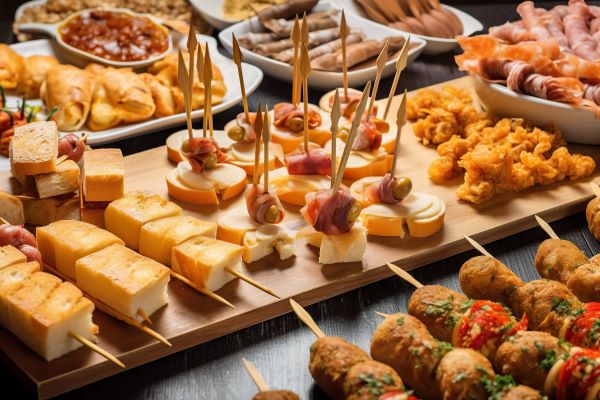
Incorporating smart snacking into a weight loss plan is essential for managing hunger and preventing overeating at meal times. Snacks should be thought of as mini-meals that provide nutrients and energy. Opting for whole foods like fruits, vegetables, nuts, or yogurt is ideal. For instance, an apple with a handful of almonds offers a good mix of fiber, protein, and healthy fats, keeping hunger at bay for longer periods.
It’s important to avoid common snacking pitfalls such as mindless eating or choosing high-calorie, low-nutrient foods. Much like main meals, planning snacks ahead of time can help make healthy choices. Portion control is crucial in snacking, as even healthy snacks can lead to weight gain if consumed in large quantities. Keeping track of snack intake helps maintain the necessary calorie deficit for weight loss.
Hydration and Weight Loss

Hydration is a key component in weight loss and overall health. Water is crucial in bodily functions, including metabolism and appetite regulation. Often, signals of dehydration can be mistaken for hunger, leading to unnecessary eating. Drinking sufficient water throughout the day can help differentiate between hunger and thirst, reducing the likelihood of overeating.
The choice of beverages is also important in a weight-loss diet. Water should be the primary drink, but herbal teas and black coffee can also be included. Avoiding sugary and high-calorie beverages is essential as they can significantly hinder weight loss efforts. Drinking a glass of water before meals can also aid in feeling fuller and eating less.
Weekly Meal Planning and Grocery Shopping
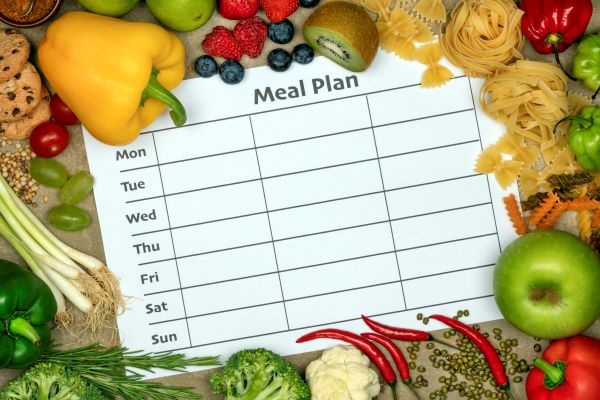
Effective meal planning is instrumental in successful weight loss. Planning meals for the week ahead can help make healthier choices, save time, and reduce food waste. It involves selecting a variety of meals and snacks for the week and preparing a grocery list accordingly. This practice ensures a range of nutrients are included in the diet and prevents last-minute unhealthy food choices.
Grocery shopping with a list and sticking to it is crucial. It helps in avoiding impulse buys, especially of unhealthy foods. Focusing on fresh produce, lean proteins, whole grains, and healthy fats is essential. Preparing some meals in advance, like chopping vegetables or cooking grains, can save time during busy weekdays and ensure healthy options are always available.
The Bottom Line
A simple weight loss meal plan is more than just a tool for reducing weight; it’s a pathway to a healthier lifestyle. This plan, encompassing everything from nutritional needs to smart snacking and hydration, offers a comprehensive guide for those seeking to lose weight effectively. By incorporating these strategies into daily life, one can enjoy a variety of nutritious foods, maintain a healthy balance, and achieve weight loss goals sustainably. Remember, consistency and patience are key, and a balanced approach to dieting is crucial for long-term success.