
Healthy blood circulation is a cornerstone of physical well-being, playing a crucial role in every bodily function. Good circulation ensures the efficient delivery of oxygen and nutrients to various body parts while facilitating the removal of waste products. This blog post delves into a variety of methods to improve blood circulation, each backed by scientific principles and practicality. From exercise to diet, and stress management to avoiding harmful habits, the discussion aims to provide comprehensive strategies for enhancing circulatory health.
Understanding Blood Circulation

Blood circulation is fundamental to human health, serving as the body’s primary means of transporting vital substances. It involves the heart pumping blood through a network of arteries and veins, reaching every cell and tissue. Optimal circulation is essential for maintaining energy levels, cognitive function, and overall vitality. However, many factors like age, lifestyle, and certain medical conditions can impair this crucial system, leading to health complications. Therefore, understanding the mechanics and importance of efficient blood flow is the first step towards taking proactive measures for its improvement.
Poor circulation manifests in various forms, such as fatigue, numbness, and cold extremities, often overlooked in their early stages. These symptoms, while seemingly minor, can be indicators of underlying health issues like arterial blockages or diabetes. Additionally, inadequate blood flow can lead to more severe problems, including organ damage and increased risk of heart attack or stroke. Recognizing these signs and understanding their potential impact is vital in seeking timely intervention and adopting lifestyle changes to promote better circulation.
Regular Physical Exercise

Engaging in regular physical exercise is one of the most effective ways to boost blood circulation. Activities like brisk walking, jogging, or cycling enhance cardiovascular health by strengthening the heart and improving its efficiency in pumping blood. These exercises not only increase blood flow but also help in maintaining a healthy weight, reducing the risk of circulatory diseases. Moreover, incorporating regular physical activity into one’s routine has been linked to lower blood pressure, improved cholesterol levels, and enhanced overall cardiovascular health.
For those seeking gentler forms of exercise, yoga and stretching are excellent alternatives. These activities promote flexibility, reduce muscle tension, and improve circulation, particularly in extremities. Stretching exercises, such as toe touches or leg lifts, encourage blood flow to different body parts, aiding in the prevention of blood clots and varicose veins. Additionally, yoga poses like the downward dog or warrior sequence can significantly boost circulation, providing benefits similar to more vigorous cardiovascular exercises but with lower impact on joints.
Diet And Hydration
A well-balanced diet plays a pivotal role in promoting healthy blood circulation. Foods rich in omega-3 fatty acids, like salmon and flaxseeds, are known for their beneficial effects on cardiovascular health. Antioxidants found in berries and dark chocolate help in protecting blood vessels from damage. Additionally, foods high in vitamin C, such as citrus fruits and bell peppers, contribute to strengthening the walls of the arteries, ensuring robust blood flow. Including these nutrient-rich foods in daily meals can significantly enhance circulatory health.
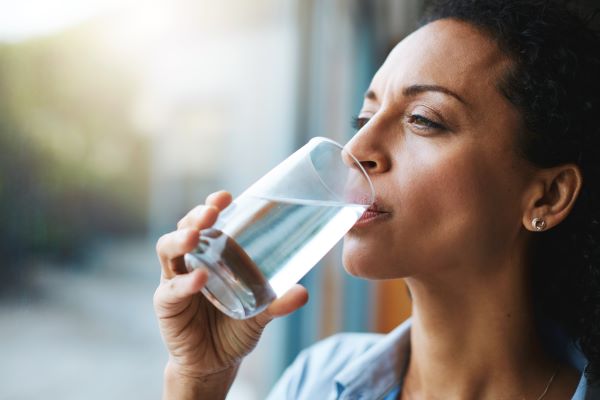
Hydration is equally important for maintaining optimal blood circulation. Water makes up a significant portion of blood, and staying adequately hydrated ensures that the blood retains its proper viscosity, facilitating smoother flow through the vessels. Dehydration, on the other hand, can lead to thickened blood, making it more difficult for the heart to pump, and potentially leading to clot formation. It is recommended to consume enough water throughout the day, with the quantity adjusted according to individual needs, activity levels, and environmental conditions.