
Bleeding Gums
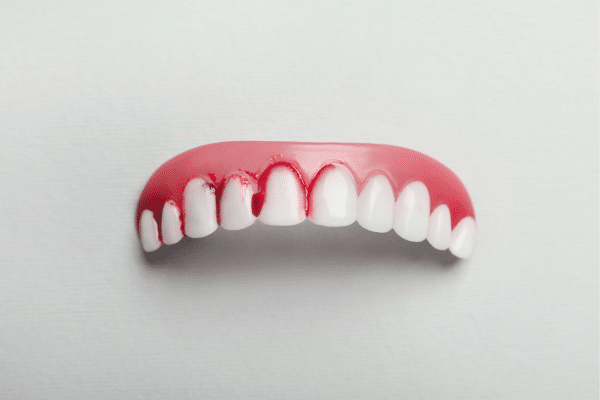
Bleeding gums are not just a dental issue; they can also be a harbinger of vitamin deficiency, particularly of Vitamin C. This essential nutrient, vital for gum health, helps in the formation of collagen, a key component of gum tissue. Insufficient Vitamin C intake can weaken gums, making them more susceptible to bleeding and other periodontal diseases. Moreover, this vitamin’s antioxidant properties are crucial for fighting infections and healing wounds in the oral cavity.
To mitigate gum bleeding and enhance oral health, incorporating Vitamin C-rich foods into the diet is imperative. Citrus fruits, strawberries, kiwi, and bell peppers are excellent sources that can bolster gum strength and integrity. Additionally, maintaining good oral hygiene and regular dental check-ups are crucial for early detection and treatment of gum issues. However, if bleeding persists, it’s essential to consult a healthcare professional to rule out other potential causes and ensure a comprehensive approach to oral health.
Brittle Fingernails
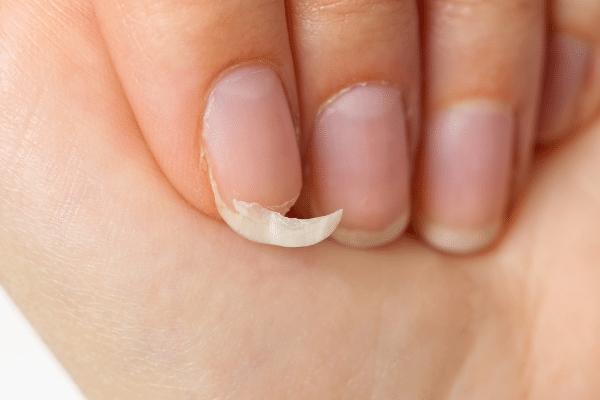
Brittle fingernails can often reflect more than mere cosmetic concerns; they may indicate deficiencies in specific vitamins and minerals. Lack of biotin, a B-complex vitamin, and Vitamin C, known for its role in collagen formation, can result in weak, easily broken nails. These nutrients are essential for nail growth and strength, underscoring the importance of a well-rounded diet to maintain healthy nails.
Addressing brittle nails involves more than external treatments; it requires nourishing the body from within. Including biotin-rich foods like eggs, nuts, and legumes, along with Vitamin C sources such as citrus fruits and leafy greens, can significantly improve nail health. However, lifestyle factors, including exposure to harsh chemicals and frequent water immersion, can also affect nail strength. Therefore, protective measures, alongside a balanced diet, are vital for maintaining strong, healthy nails.
Muscle Pain

Muscle pain can be a vexing issue, often linked to physical strain, but it can also be a symptom of vitamin deficiency, especially of Vitamin D. This vitamin is crucial for bone health and muscle function, and its deficiency can lead to discomfort and pain in muscles, affecting mobility and quality of life. Vitamin D is unique in that the body synthesizes it when exposed to sunlight, but it can also be absorbed from dietary sources.
To alleviate muscle pain associated with vitamin deficiency, ensuring adequate Vitamin D intake is essential. This can be achieved through a combination of dietary sources like fatty fish and fortified foods, sensible sun exposure, and, in some cases, supplementation under medical guidance. However, it’s crucial to recognize that muscle pain can have various origins. Therefore, persistent discomfort should be evaluated by a healthcare professional to determine the exact cause and appropriate treatment.
Mood Changes

Mood changes, often dismissed as merely psychological, can sometimes be rooted in nutritional deficiencies, particularly of certain B vitamins and Vitamin D. These nutrients are crucial for brain health and the production of neurotransmitters, which regulate mood. Deficiencies can lead to feelings of depression, anxiety, and general mood instability, affecting daily life and well-being.
Addressing mood changes involves a holistic approach, starting with a diet rich in B vitamins and Vitamin D. Leafy greens, whole grains, and lean proteins are excellent sources of B vitamins, while fatty fish, egg yolks, and fortified foods can provide Vitamin D. However, mood disorders are complex and can have multiple causes, so it’s important to seek professional advice. A healthcare provider can offer a comprehensive approach, considering both nutritional and psychological aspects, to manage mood changes effectively.
The Bottom Line
Recognizing and addressing vitamin deficiencies is pivotal for maintaining optimal health. Symptoms like hair loss, fatigue, frequent sickness, bleeding gums, brittle nails, muscle pain, and mood changes can all signal nutritional gaps that need attention. A balanced diet, rich in essential vitamins and minerals, is the cornerstone of good health. However, when symptoms persist, it’s crucial to consult healthcare professionals. They can provide tailored advice and treatment, ensuring that both the symptoms and their underlying causes are adequately addressed, paving the way for a healthier, more vibrant life.