
Wellness routines have gained significant attention in recent years, as more individuals recognize the importance of maintaining a balance in their physical, mental, and emotional health. A well-crafted wellness routine can lead to improved energy, better stress management, and overall a more fulfilling life. However, it’s crucial to remember that wellness is not one-size-fits-all. This blog post aims to guide readers through the initial steps of establishing a personalized wellness routine, emphasizing the importance of hydration, stretching, and meditation as foundational elements.
Hydrate

The human body is composed of about 60% water, making hydration a critical component of overall health. Water is essential for various bodily functions, including regulating body temperature, keeping joints lubricated, and ensuring the proper functioning of organs. Dehydration can lead to fatigue, dizziness, and other health issues. Therefore, starting the day with a glass of water can kickstart metabolism and help the body to wake up after hours of sleep. To maintain hydration throughout the day, it’s beneficial to drink water regularly, even before feeling thirsty, as thirst can be a late sign of dehydration.
Incorporating hydration into a wellness routine doesn’t have to be a mundane task. Infusing water with fruits, cucumbers, or herbs can enhance its flavor, making it more enjoyable to consume. Additionally, keeping a water bottle within reach at all times serves as a visual reminder to drink water regularly. It’s also helpful to be aware of the signs of dehydration, such as dark urine, dry mouth, and fatigue. By recognizing these signs early, one can take immediate steps to rehydrate, thereby maintaining optimal health and well-being.
Stretch
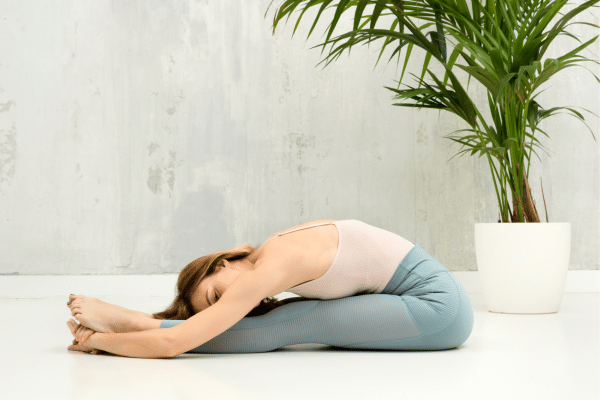
Stretching is often overlooked, yet it’s a powerful tool for improving flexibility, reducing muscle tension, and enhancing overall well-being. Starting the day with a stretching routine can awaken the body, improve blood flow, and reduce the stiffness that comes from prolonged periods of inactivity, such as sleep. Stretching doesn’t only benefit the body; it also offers a moment of tranquility and mindfulness, preparing the mind for the day ahead. By focusing on the movement and the breath, stretching can become a meditative practice that sets a positive tone for the day.
Integrating stretching into a daily wellness routine is simple and requires no special equipment. Stretching exercises can range from gentle movements to target specific areas of the body to full-body routines that engage multiple muscle groups. It’s essential to listen to the body’s cues and avoid pushing too far, as the goal is to enhance flexibility and relieve tension, not cause discomfort. For those unfamiliar with stretching exercises, many resources are available, including online guides, videos, and classes that can provide guidance and inspiration. Over time, regular stretching can lead to improved posture, reduced risk of injury, and a greater sense of bodily awareness.
Meditate

Meditation is a practice that nurtures the mind and fosters a sense of clarity and tranquility. In today’s fast-paced world, finding moments of calm can significantly reduce stress and improve overall mental well-being. A meditation practice doesn’t require hours of one’s day; even a few minutes can make a profound difference. Starting a wellness routine with meditation helps in centering thoughts and setting intentions for the day. It allows for a moment of pause amid life’s chaos, creating space to breathe and realign with personal goals and values.
Incorporating meditation into a daily routine is more about consistency than duration. Beginners might find it beneficial to start with guided meditations, which provide direction and structure to the practice. Many apps and online resources are available to suit different preferences and schedules. The key is to create a comfortable space free from interruptions, allowing the mind to focus and gradually quiet down. Over time, meditation can significantly improve focus, emotional stability, and the ability to handle stress, making it an invaluable component of a wellness routine.