
Impact on Mental Health

The relationship between sleeping aids and mental health is complex and bidirectional. While these aids are often used to alleviate sleep disturbances associated with mental health issues, they can also exacerbate or trigger new psychiatric symptoms. Users might notice an increase in anxiety, depression, or even suicidal thoughts, particularly if the underlying causes of sleep disturbances are not addressed.
The sedative effects of sleeping aids can blunt emotional responses or lead to a general sense of apathy or disconnection. This can be particularly disconcerting for individuals using these aids to cope with stress or emotional trauma. Furthermore, abrupt discontinuation or irregular use can lead to withdrawal symptoms, including heightened anxiety, panic attacks, or rebound insomnia, creating a vicious cycle of dependency and mental health deterioration.
Dependency and Withdrawal
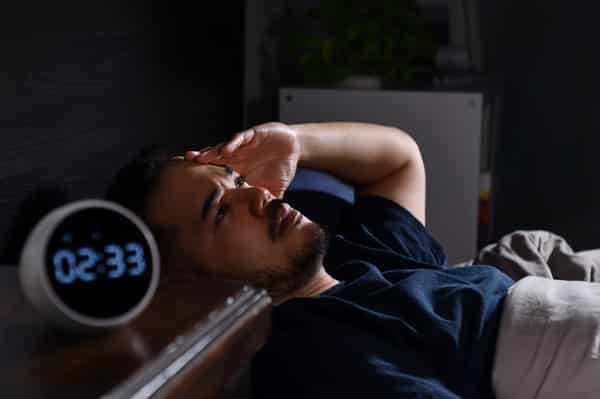
Dependency on sleeping aids is a significant risk, particularly with long-term use. As the body becomes accustomed to the drug’s presence, it may stop producing certain neurotransmitters naturally, leading to a reliance on the medication for sleep. This dependency can make quitting or reducing use challenging, as insomnia and other sleep disturbances might return or worsen, a phenomenon known as rebound insomnia. The fear of these withdrawal symptoms often leads individuals to continue using these aids longer than necessary.
Withdrawal from sleeping aids can be a daunting process, characterized by increased anxiety, agitation, and other physical symptoms like shaking or sweating. The duration and severity of withdrawal vary based on the type of sleeping aid, dosage, and length of use. Users should consult healthcare professionals for a gradual tapering plan to minimize withdrawal symptoms and explore alternative therapies. Recognizing the signs of dependency and understanding the withdrawal process are crucial steps in managing and preventing addiction to sleeping aids.
Alternatives and Precautions

As awareness grows about the risks associated with sleeping aids, many seek safer alternatives. Lifestyle modifications, such as establishing a regular sleep schedule, optimizing the sleep environment, and limiting caffeine and screen time before bed, can significantly improve sleep quality. Cognitive-behavioral therapy for insomnia (CBT-I) is another effective treatment, focusing on changing sleep habits and patterns of thinking that impair sleep. Natural remedies, like melatonin supplements or herbal teas, may also provide relief with fewer side effects, though they should be used judiciously and with professional guidance.
When using sleeping aids, precautions are necessary to minimize risks. Always start with the lowest effective dose and avoid long-term use unless supervised by a healthcare provider. Be mindful of potential interactions with other medications and alcohol, which can amplify side effects. Regularly review the necessity and effectiveness of the aid with a healthcare professional, and be vigilant about any changes in health or behavior. By taking these precautions and considering alternatives, individuals can make safer choices regarding their sleep health.
Navigating Safe Usage

Using sleeping aids safely requires informed decisions and careful management. Understanding the correct dosage and potential interactions with other medications or substances is vital. Misuse or accidental overdose can lead to severe consequences, so adhering strictly to prescribed guidelines is crucial. Reading labels and consulting with healthcare providers can prevent misuse and ensure that the sleeping aid is still necessary and effective.
Regular check-ups with a healthcare professional are essential for monitoring the impact of the sleeping aid on overall health. This is particularly important for those with chronic health conditions or those taking other medications. Users should be transparent about all substances they’re taking, including over-the-counter drugs and supplements, to avoid dangerous interactions. Being proactive about safety can prevent many of the adverse effects associated with sleeping aids, allowing for better sleep and overall health. Making informed choices and understanding the responsibilities of safe usage are paramount for anyone considering or currently using sleeping aids.
Uncover The Secrets To Safe Sleep
In navigating the world of sleeping aids, awareness and caution are your best allies. While they offer relief for many, understanding and respecting their potential side effects is crucial for your health and well-being. Consult with healthcare professionals, consider safer alternatives, and always prioritize informed careful use. Your journey to better sleep should enhance your life, not complicate it. Let this guide be the first step towards safer, more restorative rest.