
Whey Protein

Whey protein is a popular ingredient in smoothies, especially for those looking to support muscle growth and repair. It is a complete protein, containing all nine essential amino acids necessary for the human body. Whey protein is easily digestible and quickly absorbed, making it highly effective for post-workout recovery. It also helps in maintaining muscle mass and promoting satiety, aiding in weight management efforts.
Incorporating whey protein into smoothies requires some know-how to avoid clumping and to ensure a smooth texture. Blending whey protein with liquid first before adding other ingredients can help achieve a smoother consistency. Complementing whey protein with flavors like cocoa, vanilla, or fruits can enhance the taste of the smoothie, making it not just nutritious but also a delightful treat.
Almond Milk
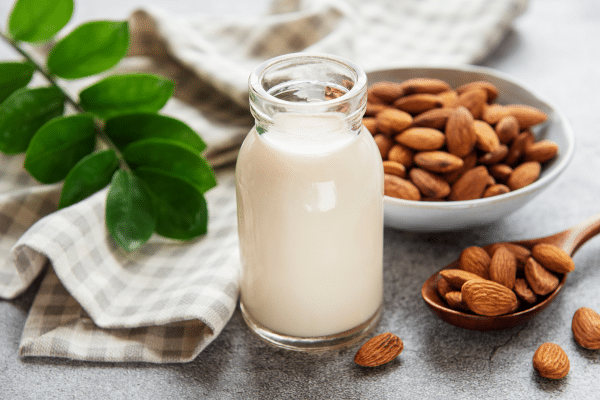
Almond milk has emerged as a popular dairy-free alternative for smoothies, offering a subtly sweet, nutty flavor. It’s a great option for those with lactose intolerance or dairy sensitivities, and for those following vegan diets. Almond milk is lower in calories compared to cow’s milk, yet provides essential nutrients like vitamin E and calcium when fortified. Its light consistency makes it ideal for blending into smoothies without weighing them down.
The flavor and consistency of almond milk can elevate a smoothie’s taste without overpowering other ingredients. It pairs well with a variety of flavors, from fruits and vegetables to nuts and seeds. Almond milk’s creamy texture enhances the mouthfeel of smoothies, making them more satisfying and enjoyable. Experimenting with homemade or different brands of almond milk can also add variety to smoothie recipes.
Bananas
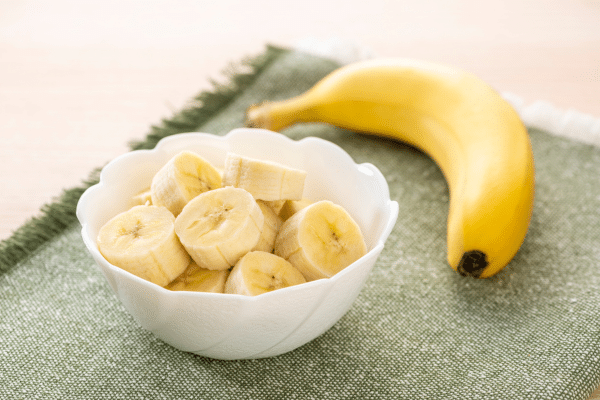
Bananas are a staple in smoothie-making, known for their natural sweetness and creamy texture. They are an excellent source of dietary fiber, potassium, and vitamins, particularly vitamin B6 and C. Bananas not only enhance the sweetness of the smoothie without added sugars but also contribute to a smooth, rich texture. Their high potassium content is beneficial for heart health and regulating blood pressure.
The versatility of bananas allows for their use in a wide range of smoothie recipes. They blend well with both sweet and savory ingredients, making them ideal for a variety of flavor profiles. Using ripe bananas can increase the sweetness naturally, while slightly underripe bananas provide a more subtle sweetness and firmer texture. Freezing bananas before use can add a refreshing, ice-cream-like quality to smoothies, making them a favorite for cold, refreshing beverages.
Spirulina

Spirulina, a blue-green algae, is celebrated as a superfood and a potent addition to smoothies. It’s exceptionally high in protein and a good source of antioxidants, B vitamins, and other nutrients. Spirulina’s high protein content makes it an ideal supplement for plant-based diets, and its antioxidant properties support overall health by fighting free radicals. Its rich vitamin and mineral content, including iron and vitamin B12, further enhances its nutritional profile.
Despite its nutritional benefits, spirulina’s strong, somewhat aquatic flavor can be challenging to incorporate into smoothies. The key is to start with small quantities and pair it with strong-flavored fruits like pineapple or citrus to mask its taste. Blending spirulina with sweeteners like honey or maple syrup can also help balance its flavor, making the smoothie both nutritious and palatable.
The Bottom Line
Smoothies offer a versatile and delicious way to boost daily nutrition. By incorporating ingredients like kale, whey protein, almond milk, bananas, and spirulina, each smoothie becomes a nutrient-rich, flavorful beverage. These ingredients not only provide essential vitamins, minerals, and other nutrients but also offer a variety of textures and flavors to suit different tastes and preferences. Experimenting with these ingredients can lead to discovering the perfect smoothie combination, making it an enjoyable part of a healthy lifestyle.