Fad diets often promise quick weight loss and other health benefits, yet they can carry significant risks. Many of these diets gain popularity through celebrity endorsements or social media, but lack scientific backing. Understanding the potential dangers and nutritional deficiencies associated with certain diets is crucial before making any dietary changes. This post delves into several popular diets, highlighting why they might do more harm than good and emphasizing the importance of balanced nutrition and professional advice.
Paleo Diet
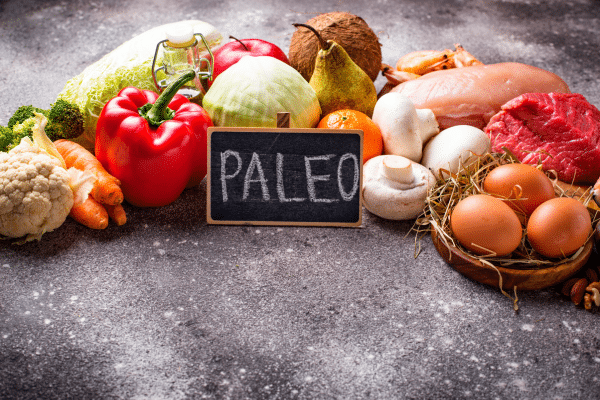
The Paleo Diet, based on the presumed eating habits of Paleolithic humans, focuses on foods like meat, fish, and vegetables, while excluding dairy, grains, and processed foods. Proponents claim it leads to weight loss and health improvements. However, this diet’s emphasis on certain food groups raises concerns about its nutritional balance. It often leads to a high intake of protein and fat, potentially increasing the risk of heart disease and other health issues. Furthermore, the exclusion of whole grains and dairy can result in deficiencies in essential nutrients like calcium and fiber.
This diet’s historical premise is also questionable. Modern interpretations of Paleolithic eating overlook the vast dietary diversity of ancient human populations. The diet’s strict rules can make it difficult to maintain long-term, leading to a yo-yo effect in weight management. It also tends to be more expensive and less accessible, making it impractical for many. Additionally, the diet lacks substantial long-term studies confirming its alleged health benefits, casting doubt on its effectiveness.
Baby Food Diet

The Baby Food Diet involves replacing one or two daily meals with jars of baby food, a trend popularized for its simplicity and portion control. This diet’s primary appeal lies in its low calorie count, which can lead to quick weight loss. The convenience of pre-packaged, portion-controlled servings also attracts those seeking a straightforward diet plan. However, this diet’s effectiveness and safety are questionable for adults seeking long-term health and weight management solutions.
One major drawback of the Baby Food Diet is its potential nutritional inadequacy for adults. Baby food, while rich in certain nutrients, is designed for infants, not adults with different nutritional needs. The diet’s low protein and fiber content can lead to muscle loss and digestive issues. Furthermore, the repetitive nature of consuming baby food can result in boredom and dissatisfaction, making it unsustainable. There’s also a lack of scientific evidence supporting its effectiveness in weight loss or health improvement, making it a risky dietary choice.
Cabbage Soup Diet
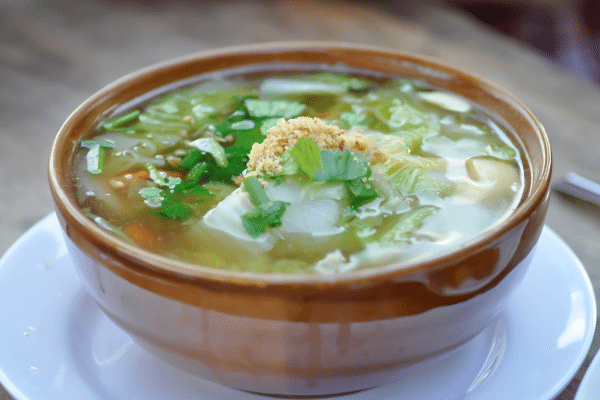
The Cabbage Soup Diet is a short-term weight loss program that involves consuming large quantities of cabbage soup for seven days. This diet promises significant weight loss, up to 10 pounds within a week, by drastically reducing calorie intake. The main appeal lies in its promise of rapid weight loss and the simplicity of the meal plan. However, this diet is not only monotonous but also nutritionally imbalanced. It lacks adequate protein, healthy fats, and essential nutrients, leading to potential health risks.
Critics of the Cabbage Soup Diet highlight its unsustainable nature. The weight lost is primarily water weight, not fat, and is often quickly regained once normal eating resumes. The diet can also cause side effects like fatigue, dizziness, and gastrointestinal discomfort due to its high fiber content. Moreover, the extreme calorie restriction can slow down metabolism, making it harder to maintain weight loss in the long term. Its lack of variety can also discourage adherence, leading to nutritional deficiencies and a disrupted relationship with food.