
Leg workouts are not just about building muscle; they’re a cornerstone of a balanced fitness regime. Strong legs contribute to overall body strength, better balance, and improved athletic performance. This article delves into the essential exercises to grow your legs, each targeting different muscle groups for comprehensive growth. From squats to lunges, the journey to powerful legs is diverse and requires dedication. Understanding the mechanics and benefits of each exercise will empower you to build a leg routine that suits your fitness goals.
Squat Variations: Building A Strong Foundation
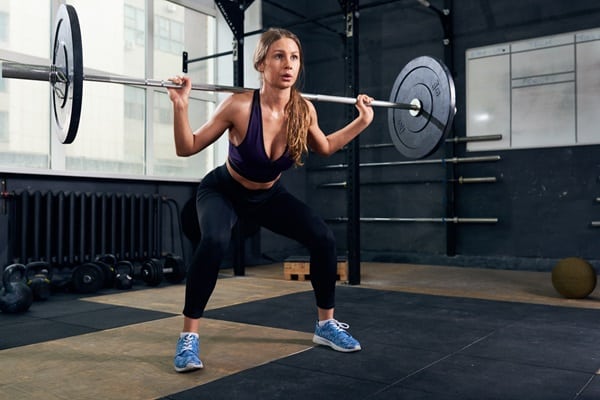
Squats are the quintessential exercise for leg development, targeting the quadriceps, hamstrings, and glutes. The back squat, a classic variant, is renowned for its effectiveness in building lower body strength. It involves holding a barbell across the shoulders and performing a sitting motion. This exercise not only strengthens the legs but also engages the core, making it a multifaceted workout staple. Front squats, on the other hand, shift the barbell to the front of the body. This variation places more emphasis on the quadriceps and requires greater core engagement, challenging balance, and posture.
Overhead squats take the challenge further by holding the barbell overhead, demanding exceptional stability and flexibility. This variant not only intensifies leg workouts but also significantly engages the shoulders and core. Each squat variation offers unique benefits, and incorporating a mix can lead to more balanced leg development. It’s crucial to maintain proper form to maximize benefits and minimize the risk of injury. As you progress, gradually increasing the weight can lead to significant improvements in leg strength and muscle mass.
Lunges: Sculpting And Strengthening Legs
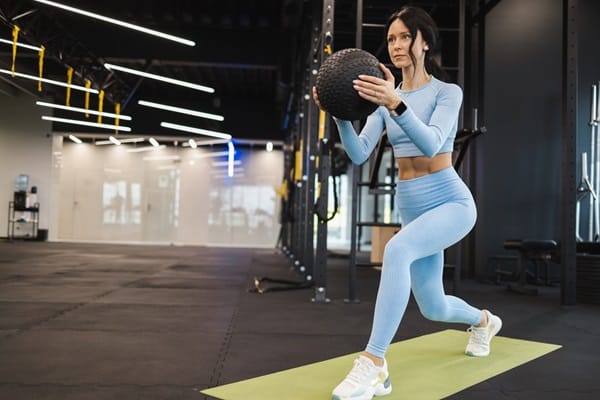
Lunges are a dynamic exercise that effectively targets the thighs and glutes. The basic static lunge involves stepping one leg forward and lowering the body until both knees are bent at a 90-degree angle. This exercise is excellent for building leg muscles and improving balance. It also engages the core and helps in developing coordination. For those seeking more intensity, walking lunges add a movement component, increasing the cardiovascular challenge and enhancing muscle endurance.
Incorporating lunges into your leg routine ensures a comprehensive workout that not only builds muscle but also improves functional strength. These exercises can be performed with body weight, dumbbells, or barbells, allowing for versatility and progression. Regularly practicing lunges can lead to improved athletic performance and a reduced risk of injury in daily activities. As with any exercise, maintaining proper form is key to reaping the full benefits and avoiding strain or injury.
Deadlifts: A Power Move

Deadlifts are a powerhouse exercise for leg development, particularly targeting the hamstrings, glutes, and lower back. The conventional deadlift starts with the barbell on the ground, lifting it by hinging at the hips and keeping the back straight. This exercise not only strengthens the legs but also improves overall body strength and posture. The sumo deadlift, with a wider stance, shifts the focus more towards the inner thighs and glutes, offering a variation that can reduce strain on the lower back.
Incorporating deadlifts into your routine can significantly enhance leg strength and muscle definition. They also play a crucial role in developing core stability and lower back strength, which are essential for a well-rounded fitness profile. As with any weightlifting exercise, it’s important to start with a manageable weight and focus on proper form to prevent injuries. Gradually increasing the weight and alternating between conventional and sumo deadlifts can provide a comprehensive leg workout.
Leg Press: Targeted Muscle Building

The leg press machine is a popular tool for targeted leg muscle development, particularly focusing on the quadriceps, hamstrings, and glutes. Unlike squats and deadlifts, the leg press provides a more controlled motion, reducing the strain on the back and knees. This makes it an excellent option for those with back issues or beginners who are building up their leg strength. The seated position allows for heavy weights to be used without the balance requirements of squats, making it a powerful exercise for muscle growth.
Variations in foot placement on the leg press can target different muscle groups. A higher foot placement emphasizes the hamstrings and glutes, while a lower placement focuses more on the quadriceps. Balancing the leg press with free-weight exercises ensures a well-rounded leg workout, combining the benefits of controlled resistance with functional strength training. Regularly including the leg press in your routine can lead to significant improvements in leg size and strength, contributing to a more powerful and balanced physique.