
Fiber
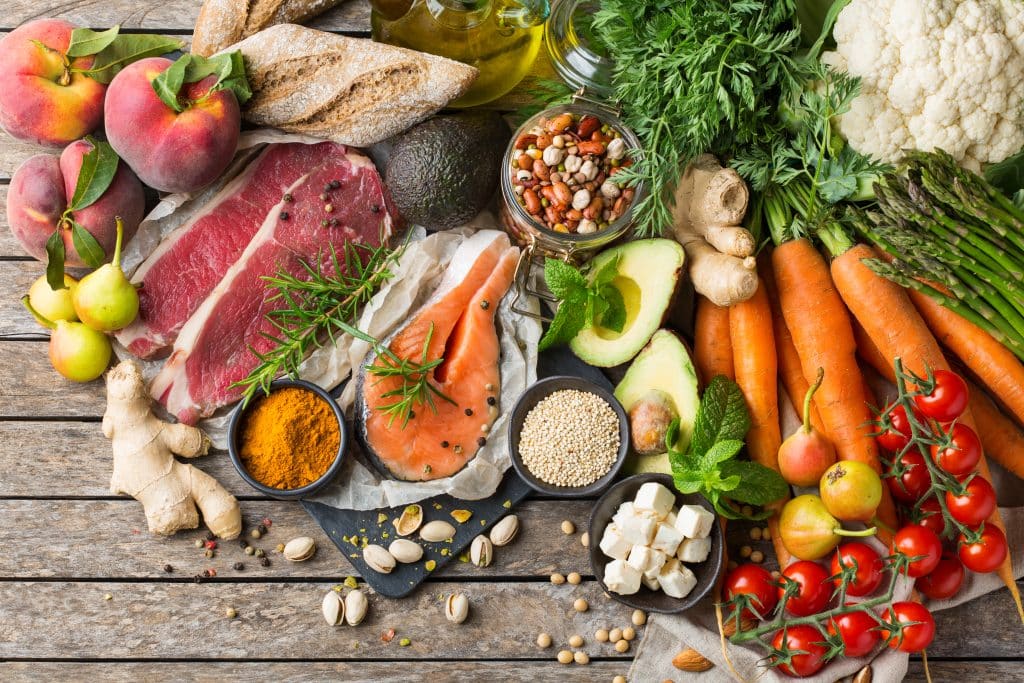
Most people think of fiber as something that helps keep them regular, and while that’s true, fiber is so much more than that. Fiber is essential for a healthy digestive system, but it also helps to balance blood sugar levels, lower cholesterol, and reduce the risk of heart disease. Fiber is in a variety of foods, including whole grains, fruits, vegetables, and beans. But unfortunately, the average American diet is woefully lacking in fiber.
The good news is that there are many easy ways to increase your fiber intake. For example, adding a handful of berries or a slice of whole grain bread to your breakfast, enjoying a salad for lunch, and snacking on carrots or celery with peanut butter are all simple ways to ensure you’re getting enough fiber. So next time you’re looking for a way to improve your health, don’t forget about fiber!
Vitamin A

Vitamin A is an essential nutrient that helps to keep your body functioning properly. Unfortunately, it’s also one of the nutrients in which your body is most likely deficient. The best way to get enough vitamin A is through your diet, but many people need to eat more foods rich in this nutrient. Vitamin A is in dark leafy green vegetables, orange, and yellow fruits and vegetables, eggs, and dairy products.
It’s also available in supplement form. If you think you might be deficient in vitamin A, talk to your doctor about getting a blood test to check your levels. Deficiency can lead to many health problems, including dry skin, night blindness, and a weakened immune system. Therefore, it’s crucial to ensure you get enough of this nutrient.
Vitamin C

Vitamin C is one of the essential nutrients for our bodies. It helps protect cells and keep them healthy, and it also plays a role in wound healing and collagen production. Unfortunately, vitamin C is also one of the nutrients that our bodies are most likely to be lacking. The best way to get enough vitamin C is to eat a diet that includes plenty of fruits and vegetables. Citrus fruits like oranges and grapefruits are excellent sources of this nutrient. However, taking supplements or getting vitamin C injections is possible if necessary.
Potassium

Most people are familiar with the basic nutrients that the body needs to function correctly, such as vitamins, minerals, and protein. However, some lesser-known nutrients can also have a significant impact on health. Potassium is one of these nutrients. It is in many foods, including fruits, vegetables, meat, and dairy products.
Potassium is vital for several reasons. It helps to regulate blood pressure, protect against heart disease, and prevent bone loss. A diet lacking in potassium can lead to fatigue, muscle cramps, and irregular heartbeat. Therefore, eating a variety of potassium-rich foods every day is essential to ensure that the body gets enough potassium.
These Are The Nutrients Your Body Might Be Lacking
In conclusion, there are many essential nutrients that our bodies might be lacking. The best way to ensure we get enough of these nutrients is to eat a balanced diet that includes fruits, vegetables, whole grains, dairy products, and protein sources. However, if necessary, supplements or injections can also be used to boost nutrient levels. It’s important to pay attention to these nutrients and ensure we get enough of them for optimal health.