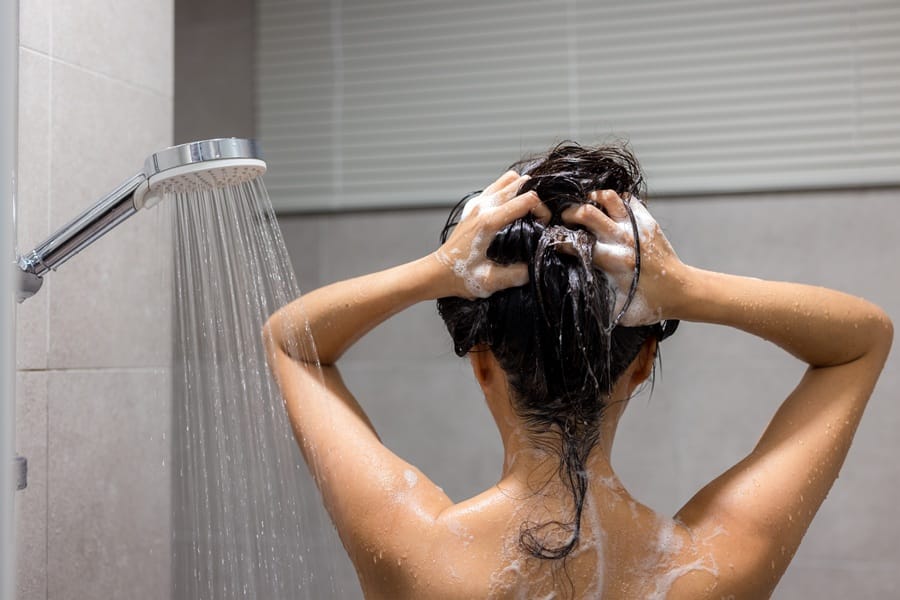
Adjusting Your Skincare Routine for Humidity
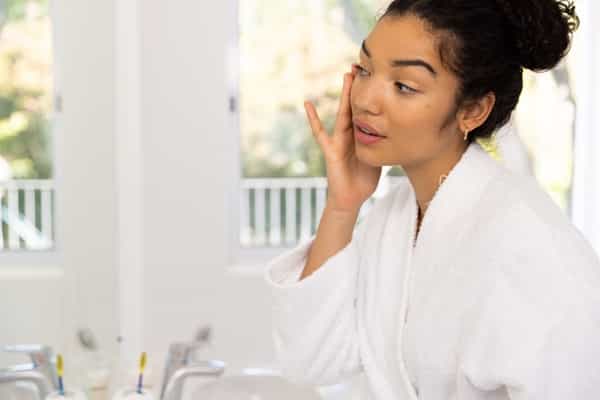
Adapting your skincare routine to different humidity levels is crucial for maintaining skin health. In low humidity, focus on hydration by using products that contain humectants like hyaluronic acid, which draws moisture into the skin, and occlusives that create a protective barrier to prevent water loss. It’s also beneficial to incorporate gentle exfoliation to remove dry, flaky skin and allow better absorption of moisturizers. Conversely, in high humidity, prioritize lightweight, non-comedogenic products that won’t clog pores and opt for gel-based moisturizers that provide hydration without adding excess oil.
Beyond product selection, consider the frequency and application of skincare treatments. In dry conditions, you might increase the use of hydrating masks and overnight treatments to boost moisture levels. In contrast, in humid climates, reducing the use of heavy creams and increasing cleansing can help manage excess oil and sweat. Always remember to adjust your skincare routine gradually and pay attention to how your skin responds, as everyone’s skin reacts differently to environmental changes.
Protecting Skin in Varying Environments

Effective skin protection goes beyond the bathroom vanity; it extends to how you manage your living and working environments. Indoors, using a humidifier in dry climates or a dehumidifier in damp conditions can help maintain a consistent, skin-friendly atmosphere. Additionally, air conditioning can be a useful tool in regulating temperature and reducing excessive humidity. However, be mindful of overuse, as air conditioning can also strip the air of moisture, leading to dry indoor conditions.
When venturing outdoors, your clothing can serve as a barrier between your skin and the environment. In sunny, humid conditions, wear loose, breathable fabrics to allow air circulation and prevent sweat buildup. Regardless of the weather, sun protection is non-negotiable; always apply a broad-spectrum sunscreen to shield your skin from harmful UV rays, which can exacerbate the effects of humidity-related skin issues. By taking these precautions, you can better protect your skin from the varying degrees of humidity encountered daily.
Humidity and Skin Health: Long-Term Considerations
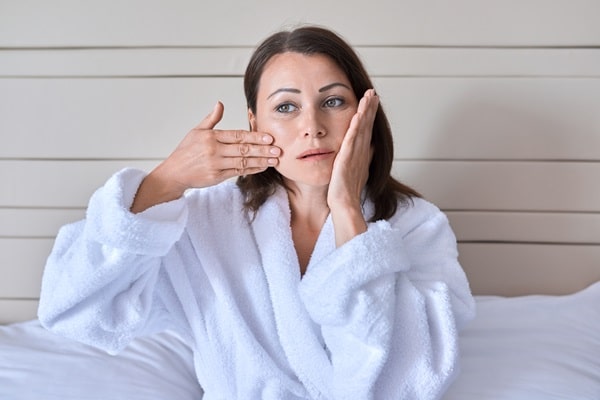
Long-term exposure to unsuitable humidity levels can have lasting effects on skin health, leading to chronic conditions and premature aging. It’s important to recognize these risks and develop a consistent, adaptable skincare regimen. Integrating a balanced diet, adequate water intake, and regular exercise can also fortify skin health from the inside out, helping it better withstand the impacts of humidity. Antioxidants, either in diet or skincare products, can further protect the skin from environmental damage and aid in repair and rejuvenation.
Furthermore, consider the psychological impact of skin health; chronic skin issues can affect self-esteem and quality of life. Therefore, maintaining a proactive approach to managing your skin’s response to humidity isn’t just about aesthetics; it’s about overall well-being. Regular consultations with dermatologists or skincare professionals can provide personalized advice and treatment options, ensuring that you’re equipped to handle the humidity-related challenges that come your way, maintaining resilient and vibrant skin over time.
Embrace Your Environment for Healthier Skin
Understanding and adapting to the effects of humidity on your skin is not just a cosmetic concern but a vital aspect of overall health. This article has provided insights and strategies for managing your skin’s needs in varying humidity levels. Now, take the next step and assess your environment, adjust your skincare routine accordingly, and consult professionals when necessary. So embrace your environment and make informed decisions for healthier, more resilient skin.