Alcohol, a widely consumed beverage, has various effects on the body, one of which is triggering night sweats. Night sweats, or severe hot flashes occurring at night, can disrupt sleep and affect overall well-being. This article delves into the underlying causes of this phenomenon, exploring how alcohol interacts with the body’s systems to induce night sweats. By understanding the mechanics behind this occurrence, individuals can make informed decisions about alcohol consumption and its impact on their health.
Contents
- 1 Understanding Night Sweats
- 2 The Role of Alcohol in the Body
- 3 Alcohol and Sleep Patterns
- 4 Alcohol-Induced Hyperhidrosis
- 5 Other Factors Contributing to Night Sweats
- 6 Long-Term Effects of Alcohol on Sweating
- 7 Managing and Preventing Alcohol-Induced Night Sweats
- 8 Alcohol’s Impact on Hormonal Balance
- 9 Navigating the Effects of Alcohol on Night Sweats
Understanding Night Sweats
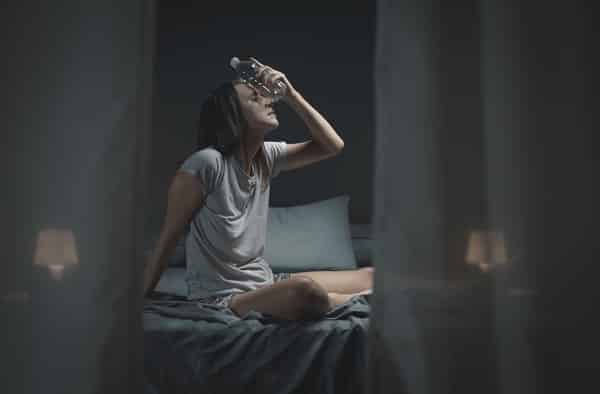
Night sweats, medically known as nocturnal hyperhidrosis, are excessive sweating during sleep unrelated to an overheated environment. These episodes can be distressing and often signal underlying health issues or lifestyle choices. Various factors trigger night sweats, including infections, hormonal imbalances, and certain medications. However, one overlooked cause is alcohol consumption, which can disrupt normal physiological processes, leading to increased sweating. Understanding the general mechanisms behind night sweats is the first step in discerning their link with alcohol intake.
Alcohol’s impact on the body extends beyond immediate effects, often influencing bodily functions during sleep. Night sweats caused by alcohol are not merely discomforting but can also be indicative of the body’s struggle to metabolize and cope with alcohol’s effects. Recognizing the signs and potential causes of night sweats is crucial for addressing this issue effectively.
The Role of Alcohol in the Body

Alcohol is metabolized in the liver, where enzymes break it down into acetaldehyde, a toxic compound eventually converted into harmless substances. This process impacts various bodily systems, including the central nervous system. Alcohol initially acts as a depressant, slowing down brain functions and affecting coordination and cognitive abilities. However, as the body processes alcohol, it can cause a rebound stimulating effect, which may contribute to night sweats.
The interaction between alcohol and the body’s temperature regulation system is complex. Alcohol can cause blood vessels to dilate, leading to an increased blood flow to the skin, giving a feeling of warmth. However, this can also lead to a loss of body heat and a subsequent increase in the body’s effort to regulate its temperature, often resulting in sweating. Understanding these physiological responses is key to comprehending how alcohol can trigger night sweats.
Alcohol and Sleep Patterns

Alcohol consumption, especially in excess, significantly disrupts sleep patterns. While some may find that alcohol helps in falling asleep, it notably impairs the quality of sleep. Alcohol reduces the time spent in the Rapid Eye Movement (REM) stage of sleep, which is crucial for restorative sleep. This disruption can lead to restless nights and can exacerbate sweating.
The relationship between alcohol and disturbed sleep cycles is a crucial factor in understanding night sweats. As alcohol interferes with the natural sleep cycle, it can lead to an imbalance in the body’s core temperature, causing overheating and sweating. The body’s attempt to counteract these effects during sleep often manifests as night sweats, highlighting the disruptive nature of alcohol on sleep.
Alcohol-Induced Hyperhidrosis

Alcohol-induced hyperhidrosis is a condition where alcohol consumption leads to excessive sweating. This reaction can occur due to alcohol’s effects on the hypothalamus, the part of the brain that regulates body temperature. When alcohol interferes with its functions, it can trigger an overactive sweat response.
Individual differences in metabolism and alcohol tolerance also play a role in how the body reacts to alcohol. Some people may experience sweating with small amounts of alcohol, while others may only have this response with excessive consumption. This variance underscores the importance of understanding one’s limits and the unique ways in which the body responds to alcohol.
Other Factors Contributing to Night Sweats

In addition to alcohol, several other factors can contribute to night sweats. Environmental conditions, such as a warm bedroom or heavy bedding, can exacerbate the issue. Lifestyle factors like diet, exercise, and stress also play a significant role. When combined with alcohol consumption, these factors can intensify the severity of night sweats, making them more frequent and disruptive.
It’s important to consider these additional factors when addressing alcohol-related night sweats. Simple changes in the sleeping environment or lifestyle adjustments can significantly reduce the occurrence of night sweats. Understanding the multifaceted nature of this condition is crucial for effective management.
Long-Term Effects of Alcohol on Sweating

Chronic alcohol consumption can have lasting effects on the body’s sweat response. Over time, regular alcohol intake can alter the body’s thermoregulation and sweating patterns, potentially leading to more frequent and severe episodes of night sweats. This chronic condition can be both uncomfortable and indicative of deeper health issues related to alcohol use.
The long-term impact of alcohol on the body’s ability to regulate temperature and sweat underscores the importance of moderation in alcohol consumption. Recognizing the potential for these lasting changes is vital for those who experience night sweats and are looking to identify the cause and find solutions.
Managing and Preventing Alcohol-Induced Night Sweats

To manage and prevent night sweats induced by alcohol, moderation is key. Reducing alcohol intake, especially before bedtime, can significantly decrease the likelihood of experiencing night sweats. Additionally, staying hydrated and maintaining a healthy lifestyle can help mitigate the effects of alcohol on the body.
Seeking medical advice is also important, especially for those who experience frequent night sweats. A healthcare professional can provide guidance and rule out other underlying health issues. Implementing these strategies can help manage and prevent alcohol-induced night sweats, leading to better sleep and overall health.
Alcohol’s Impact on Hormonal Balance

Alcohol can also impact hormonal balance, which can contribute to night sweats. It can affect the levels of hormones like estrogen and testosterone, disrupting the body’s natural equilibrium. These hormonal changes can exacerbate sweating, particularly in individuals more sensitive to hormonal fluctuations.
Understanding the hormonal aspect of alcohol’s impact provides a more comprehensive view of how alcohol can trigger night sweats. It’s essential to consider this factor, especially for individuals undergoing hormonal changes, such as menopause or andropause, where alcohol can intensify symptoms.
In conclusion, while alcohol is a common factor in triggering night sweats, it’s important to consider the interplay of various other elements. From environmental factors to hormonal balances, understanding the comprehensive nature of this condition is key to managing it effectively. Moderation in alcohol consumption, along with lifestyle changes and seeking professional advice, can significantly reduce the occurrence of night sweats. Ultimately, being mindful of alcohol’s impact on the body is crucial for maintaining good health and quality of sleep.