
Enhancing coordination through brain exercises is a crucial aspect of maintaining overall health and well-being. These exercises not only fortify mental acuity but also play a significant role in daily activities. This blog post delves into a variety of exercises and activities specifically designed to improve brain coordination. From puzzle-solving to physical exercises, and the cognitive benefits of music, each section offers insightful and practical tips. Readers will discover how these exercises can be seamlessly integrated into their routines, leading to improved coordination and cognitive function.
Understanding Brain Coordination

Brain coordination is essential for efficiently performing daily tasks and maintaining a healthy lifestyle. It involves the seamless integration of various cognitive processes, such as memory, attention, and problem-solving. Effective brain coordination ensures these processes work in harmony, leading to better decision-making and quicker responses to environmental stimuli. Scientific research indicates that targeted brain exercises can significantly enhance this coordination, thereby improving both cognitive and physical abilities.
The science behind brain coordination improvement through exercises is rooted in the concept of neuroplasticity. Neuroplasticity refers to the brain’s ability to reorganize itself by forming new neural connections throughout life. This adaptability allows the brain to compensate for injury and disease and to adjust its activities in response to new situations or changes in the environment. Exercises that challenge the brain can strengthen these neural connections, leading to improved coordination and cognitive agility.
Puzzle-Solving Exercises
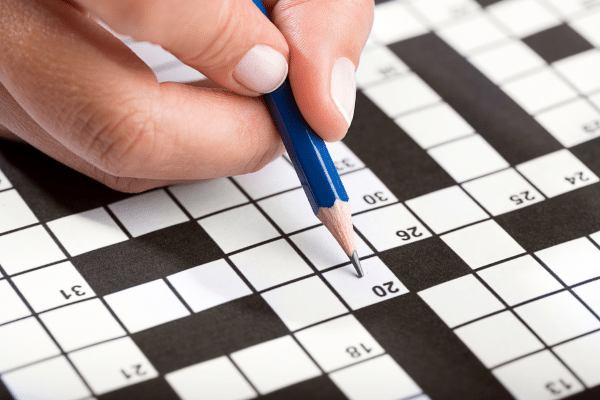
Puzzle-solving is a highly effective way to boost brain coordination. Engaging in puzzles like crosswords, sudoku, or jigsaw puzzles challenges the brain, enhancing problem-solving skills and attention to detail. These activities require a combination of cognitive skills, including memory recall, pattern recognition, and logical reasoning. Regular engagement in puzzle-solving can lead to improved mental agility and coordination, making it easier to tackle complex tasks in everyday life.
The specific benefits of different types of puzzles vary. For instance, crosswords primarily enhance verbal skills and memory, while jigsaw puzzles improve spatial awareness and visual perception. Incorporating a variety of puzzles into one’s routine ensures a comprehensive cognitive workout. This diversity not only keeps the brain engaged and challenged but also ensures that different areas of the brain are exercised, contributing to overall improved brain coordination.
Physical Exercises For Mental Agility

Physical exercises, particularly those focusing on balance and coordination like yoga and tai chi, offer significant benefits for brain coordination. These activities require concentration, balance, and precision, which in turn engage various parts of the brain responsible for motor skills and spatial awareness. As these exercises are practiced, the brain learns to better control and coordinate bodily movements, enhancing overall mental agility.
In addition to improving coordination, these exercises foster a stronger mind-body connection. Practitioners of yoga and tai chi often report heightened mental clarity and focus, which are crucial for effective brain coordination. By promoting relaxation and stress reduction, these exercises also contribute to a healthier brain environment, allowing for better cognitive function and improved coordination skills.