
Music And Coordination
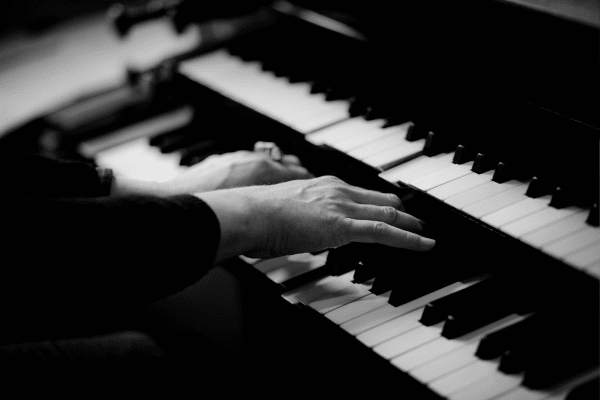
Learning to play a musical instrument is another excellent way to enhance brain coordination. This activity requires fine motor skills, attention to detail, and rhythmic precision, all of which engage and strengthen various cognitive functions. Music training has been shown to improve hand-eye coordination and sharpen listening skills, making it a multifaceted exercise for the brain.
The cognitive benefits of engaging with music extend beyond motor skills. Rhythm and melody have been found to stimulate parts of the brain involved in memory, attention, and spatial reasoning. Regularly playing an instrument or even engaging in activities like singing can lead to significant improvements in overall brain function and coordination.
Video Games And Virtual Reality
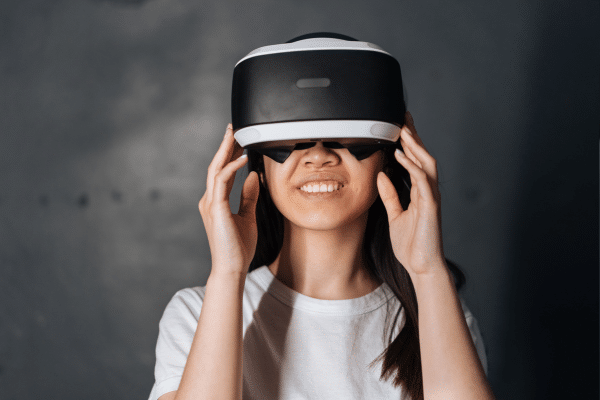
Certain video games and virtual reality experiences are emerging as valuable tools for improving brain coordination. Games that require strategic thinking, quick decision-making, and hand-eye coordination can significantly enhance cognitive skills. Virtual reality, with its immersive and interactive environments, offers unique opportunities for practicing coordination in a simulated, controlled setting.
Advancements in virtual reality technology are opening new avenues for cognitive training and rehabilitation. These virtual environments can be tailored to target specific areas of brain coordination, offering a personalized approach to cognitive enhancement. As these technologies continue to evolve, their potential in improving brain coordination and cognitive health becomes increasingly promising.
Language Learning And Cognitive Flexibility

Learning a new language is a challenging yet rewarding way to boost brain coordination and cognitive flexibility. This process involves memorizing vocabulary, understanding grammar, and practicing pronunciation, all of which require extensive brain power. Engaging in language learning exercises different parts of the brain, enhancing cognitive flexibility and problem-solving skills.
The mental processes involved in language learning, such as switching between languages and understanding complex grammatical structures, stimulate neural pathways associated with cognitive functions. This stimulation not only enhances brain coordination but also contributes to better memory, attention, and multitasking abilities. Therefore, language learning is not only a cultural and communicative asset but also a significant exercise for brain health.
Art And Creativity

Participating in creative activities like painting, sculpting, or crafting is beneficial for improving brain coordination. These activities require fine motor skills, spatial awareness, and a keen eye for detail, engaging different areas of the brain. Engaging in art stimulates creativity and innovation, which are key components of cognitive flexibility and problem-solving.
The link between creativity and cognitive development is well-established. Creative activities often involve planning, conceptualizing, and executing complex ideas, which are excellent exercises for the brain. Regularly engaging in artistic endeavors can lead to improved coordination, better problem-solving skills, and enhanced cognitive function.
The Bottom Line
This exploration of brain exercises for improving coordination underscores the vast array of activities that can benefit cognitive health. From the physical and mental discipline of yoga to the creative engagement of painting, each exercise offers unique benefits to brain coordination. The incorporation of these activities into a regular routine can lead to significant improvements in mental agility and overall cognitive function. Embracing a lifestyle that includes these varied brain exercises can pave the way to a healthier, more coordinated mind.