Rashes are a common skin condition that can arise from various causes, ranging from allergic reactions to infections. Understanding the root cause of a rash is crucial for effective treatment and management. This blog post delves into the most prevalent causes of rashes, providing insights into their symptoms, triggers, and treatment options. By comprehending these different causes, individuals can better navigate their skin health and seek appropriate care when necessary.
Allergic Reactions
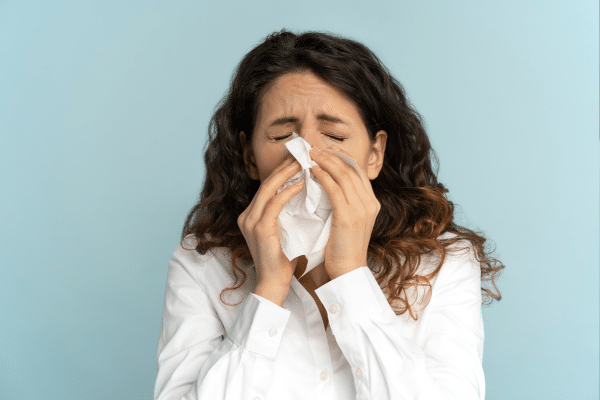
Allergic reactions are a leading cause of skin rashes. These reactions occur when the immune system responds to a harmless substance as if it were a threat. Common allergens include certain foods, pet dander, and environmental factors like pollen. The body’s response to these allergens can manifest as a rash, characterized by itching, redness, and sometimes hives. Identifying the allergen is critical in preventing future reactions and managing symptoms effectively.
When encountering an allergic rash, symptoms such as severe itching, redness, and swelling are typical. It’s essential to differentiate these from other skin conditions. Recognizing an allergic reaction promptly can prevent more severe complications. In cases where breathing difficulties or swelling of the face and throat accompany the rash, immediate medical attention is necessary. Understanding and avoiding known allergens plays a key role in prevention and ensures a swift response to any allergic episodes.
Infections

Skin rashes can also stem from various infections, including bacterial, viral, and fungal sources. Bacterial infections like impetigo are common in children and present as red sores that quickly rupture and ooze. Similarly, viral infections such as chickenpox and shingles cause distinctive rashes and are often accompanied by other symptoms like fever and fatigue. These infections can be highly contagious, making awareness and early treatment paramount.
Fungal infections contribute to a different set of rashes, often occurring in warm, moist areas of the body. Conditions like athlete’s foot and ringworm are characterized by itchy, circular rashes and can be contracted in communal areas like gyms and swimming pools. Prevention is centered around maintaining good hygiene and keeping skin dry. Treatment typically involves antifungal medications, and in most cases, these rashes can be effectively managed with timely intervention.
Heat And Sweat

Heat rash, often occurring in hot, humid conditions, is a frequent cause of skin irritation. This condition arises when sweat ducts become blocked and sweat gets trapped under the skin. Symptoms include clusters of small red bumps and a prickly or burning sensation, typically in areas of the body where clothing causes friction. Staying cool and dry is key to preventing heat rash, especially during warmer months or in tropical climates.
To manage heat rash, wearing loose, breathable clothing is recommended. In severe cases, a cool bath or application of calamine lotion can provide relief. It’s also important to avoid heavy creams or ointments that can further block sweat ducts. Keeping the affected area dry and cool helps in healing and preventing further irritation. In most cases, heat rash resolves on its own, but chronic or severe instances should be evaluated by a healthcare professional.