
Sugar cravings, a common struggle for many, often lead to unhealthy eating habits and can significantly impact overall health. Understanding the root causes of these cravings is essential for adopting strategies that effectively combat them. This post delves into a range of practical methods, from staying hydrated to managing stress, designed to help curb the desire for sugary treats. By implementing these strategies, it becomes possible to make healthier choices, improve well-being, and reduce the risks associated with excessive sugar intake.
Stay Hydrated

Recognizing the body’s signals is crucial in differentiating between true hunger and mere dehydration. Often, what is perceived as a craving for sugar is actually the body’s way of signaling the need for water. Staying adequately hydrated not only helps in suppressing unnecessary sugar cravings but also plays a vital role in maintaining overall health. Drinking water regularly, especially before meals, can help in feeling fuller and reduce the likelihood of reaching for sugary snacks.
To ensure proper hydration throughout the day, carrying a water bottle can be incredibly beneficial. Setting reminders to drink water at regular intervals can also aid in this process. Moreover, infusing water with natural flavors like cucumber, lemon, or berries can make it more appealing for those who find plain water unexciting. By making hydration a priority, the frequency and intensity of sugar cravings can be significantly reduced.
Chew Gum
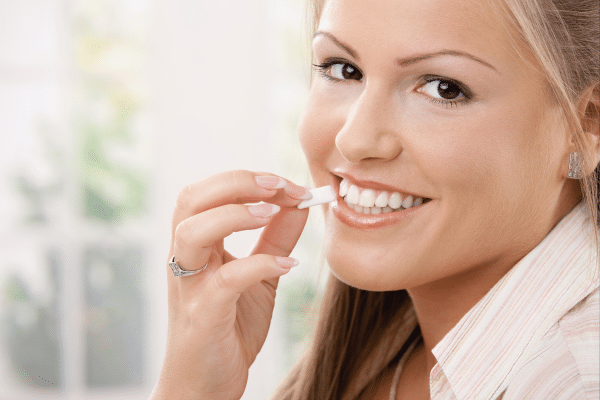
Chewing sugar-free gum serves as an effective strategy to distract the mind and mouth from sugary temptations. When a sugar craving strikes, the act of chewing gum can provide a sense of satiety and prevent impulsive snacking. Additionally, the flavor of the gum can satisfy the palate’s desire for something sweet without the added calories or negative effects of sugar. This simple yet effective method can be a valuable tool in the quest to curb sugar cravings.
The benefits of chewing sugar-free gum extend beyond just curbing cravings. It can also aid in oral health by stimulating saliva production, which helps in neutralizing and washing away acids produced by bacteria in the mouth. Furthermore, chewing gum after meals can assist in cleaning teeth, especially when brushing isn’t immediately possible. This habit not only combats sugar cravings but also contributes positively to dental hygiene.
Don’t Skip Meals

Skipping meals can often lead to a dramatic drop in blood sugar levels, triggering intense sugar cravings. When the body is deprived of regular nourishment, it naturally seeks a quick source of energy, often in the form of sugary foods. Therefore, maintaining a consistent eating schedule is crucial for stabilizing blood sugar and preventing these cravings. Eating balanced meals that include a mix of proteins, fats, and complex carbohydrates ensures sustained energy levels throughout the day.
Planning meals in advance can be incredibly helpful in avoiding long periods without food. Preparing healthy snacks for times when it might be challenging to have a full meal can also prevent resorting to high-sugar options. Foods like nuts, yogurt, or fruit can provide a healthy, satisfying alternative to sugary snacks, keeping hunger at bay and stabilizing energy levels. By avoiding meal skipping, the temptation to indulge in sugary treats can be significantly reduced.