
Medication Side Effects

Certain medications can induce rashes as a side effect. Antibiotics, anti-seizure drugs, and even over-the-counter pain relievers are among those that can cause skin reactions. These rashes vary in severity and may appear as widespread redness, bumps, or blisters. Alerting a healthcare provider to any new rash that develops after starting a medication is crucial.
Monitoring for rashes after starting new medications is vital for early detection and management. Drug-induced rashes often resolve once the offending medication is discontinued. However, some drug reactions, like Stevens-Johnson syndrome, are serious and require immediate medical attention. It’s advisable to be aware of the potential side effects of medications and to consult with healthcare providers about any concerns.
Autoimmune Disorders
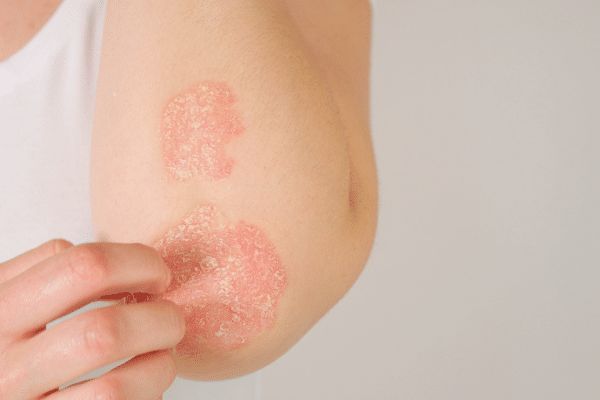
Autoimmune disorders such as lupus and psoriasis can also lead to chronic skin rashes. In these conditions, the immune system mistakenly attacks healthy skin cells, causing inflammation and rash. These rashes may appear as scaly patches, red bumps, or lesions, and are often persistent and recurrent. While these conditions cannot be cured, effective management is possible.
Managing autoimmune-related rashes typically involves a combination of lifestyle adjustments and medical treatments. Regular consultations with healthcare providers, adherence to prescribed medications, and monitoring for changes in the skin’s condition are essential. Additionally, lifestyle measures like stress management and skin protection from sun exposure can help mitigate flare-ups.
Chemical Irritants

Rashes can also result from exposure to chemical irritants found in everyday products like soaps, detergents, and cosmetics. This type of rash, known as contact dermatitis, manifests as red, itchy, and sometimes blistering skin in areas that have come into contact with the irritant. Identifying and avoiding these irritants is the most effective way to prevent contact dermatitis.
To minimize the risk of contact dermatitis, choosing products labeled “hypoallergenic” or “for sensitive skin” is advisable. If a rash develops, removing the irritant and washing the area with mild soap and water can help. For persistent or severe cases, a healthcare provider may recommend topical corticosteroids or other treatments to reduce inflammation and discomfort.
Environmental Factors

Environmental factors like exposure to plants such as poison ivy or extreme weather conditions can also cause skin rashes. These rashes are usually a result of direct skin contact with an irritant or allergen in the environment. The resulting rash can be itchy, blistering, and uncomfortable. Awareness of one’s surroundings and protective clothing can reduce the risk of such rashes.
For treatment, over-the-counter creams and lotions can provide relief from itching and discomfort. In more severe cases, prescription medications may be needed. Avoiding known irritants and taking precautions when outdoors, especially in areas known for poisonous plants, is important. Staying informed about potential environmental skin hazards can aid in prevention.
The Bottom Line
Skin rashes are a common ailment with a variety of causes, from allergic reactions to environmental factors. Recognizing the cause of a rash is crucial for effective treatment and prevention. While most rashes are harmless and resolve on their own, some can indicate a more serious condition. It’s important to consult a healthcare professional for persistent, severe, or concerning rashes. Remember, timely diagnosis and appropriate treatment can greatly alleviate discomfort and prevent complications. Awareness and understanding of the various causes of rashes empower individuals to take charge of their skin health.