
Avoid Eating Nightshades

Another approach to reducing psoriasis symptoms that are gaining popularity is the avoidance of nightshade vegetables. These include tomatoes, potatoes, peppers, and eggplants. Nightshades contain a substance called solanine, which can trigger inflammation in some people. For those with psoriasis, eliminating nightshades from their diet can help to reduce the redness, scaling, and itching associated with the condition.
While more research is needed to confirm the effectiveness of this approach, avoiding nightshades may be worth considering for those who are struggling to find relief from their psoriasis symptoms.
Medicinal Ways To Reduce Psoriasis Symptoms

If you have psoriasis and the natural methods listed don’t give you the relief you need, you may consider trying a medicinal approach. Many different medications can treat psoriasis:
Medicated Moisturizer
One such medical treatment for the symptoms is the use of medicated moisturizers. These moisturizers help to soothe and protect the skin, and they can also reduce inflammation. In addition, medicated moisturizers can help loosen and remove scales, allowing topical medications to penetrate the skin more effectively. As a result, using a medicated moisturizer can be an essential part of managing the symptoms of psoriasis.
Topical Steroids
Topical steroids are a type of medication applied directly to the skin. They are used to treat various conditions, such as eczema, psoriasis, and dermatitis. Topical steroids are typically very effective at reducing inflammation and itching. However, they can also cause side effects, such as skin thinning and lightening.
Nonetheless, when used correctly, topical steroids can be a safe and effective way to reduce the symptoms of psoriasis. The best time to use topical steroids is during a flare-up. They can help to reduce redness and itching quickly. However, it is essential not to use them more than necessary, leading to side effects. When used judiciously, topical steroids can be an effective tool for managing psoriasis flare-ups.
Retinoids
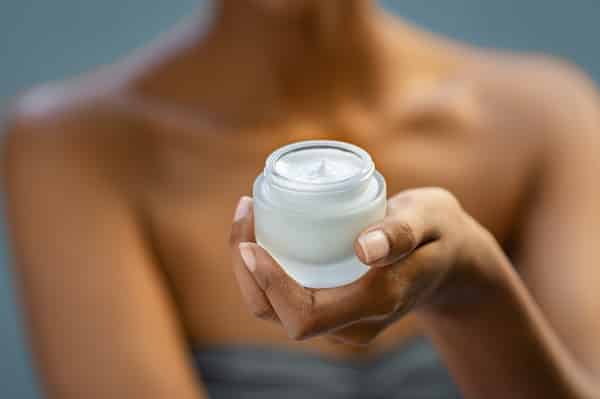
Retinoids are a class of compounds that are from vitamin A. They effectively reduce the symptoms of psoriasis by slowing down the turnover of skin cells. Additionally, retinoids can help to reduce inflammation and itching. However, they can also cause side effects, such as dryness, redness, and irritation.
Retinoids are typically only used for severe cases of psoriasis that have not responded to other treatments. They are usually only used for a short period due to their potential side effects. However, retinoids can be a valuable part of managing the condition for those with severe psoriasis.
Systemic Medications
Systemic medications are another type of treatment that can effectively control psoriasis. These medications work by targeting the immune system, which helps to play a role in developing psoriasis. Common systemic medications used to treat psoriasis include methotrexate, cyclosporine, and acitretin.
While these medications can effectively reduce the symptoms of psoriasis, they can also cause side effects such as nausea, vomiting, and diarrhea. It is crucial to speak with a doctor before starting any systemic medication.
Find The Right Treatment To Reduce Psoriasis Symptoms
There are many different ways to reduce the symptoms of psoriasis. For some people, making dietary changes, such as avoiding nightshades, can be helpful. Others may need to try medicinal approaches. Whatever the approach, it is vital to work with a doctor to find the best way to reduce the symptoms of psoriasis.
While you can apply any natural methods at home, you will need a doctor’s help to get started on any medicinal options. So if you’ve been struggling with psoriasis, make an appointment with your doctor and start exploring the different treatment options available.