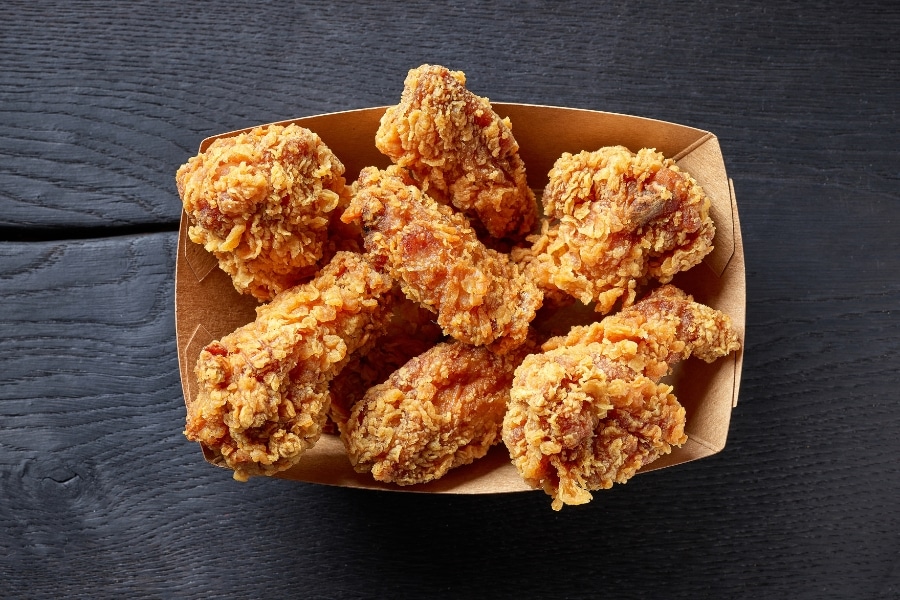
Salads are often the go-to option for those looking to eat healthily. However, without proper knowledge, even the most “healthy” salads can be deceptive calorie bombs laden with hidden fats, sugars, and other unhealthy elements. This post sheds light on some of the unhealthy salad ingredients that can turn your nutritious bowl into a less desirable option. Understanding these pitfalls is key to optimizing the health benefits of your salads and making informed choices that align with your dietary goals. Dive in to discover the ingredients you might want to think twice about adding to your next salad.
Creamy Dressings
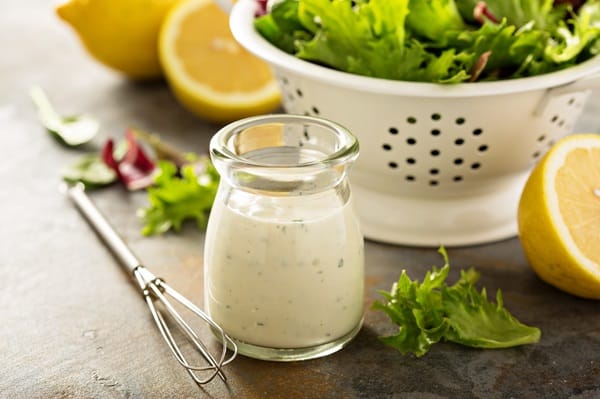
Creamy dressings are a popular choice for adding flavor to salads, but they come with a cost. Often loaded with calories and saturated fats, these dressings can quickly transform a healthy salad into a high-calorie meal. Ingredients like mayonnaise, sour cream, or cheese are common in these dressings, adding not just flavor but also a significant amount of unhealthy fats. Additionally, many store-bought versions contain preservatives and additives that extend shelf life but detract from nutritional value.
Not only are creamy dressings high in fat, but they also often contain hidden sugars and a high sodium content, contributing to an increased risk of health issues like high blood pressure and heart disease. The texture and flavor that make these dressings appealing can be achieved through healthier alternatives, such as using Greek yogurt or avocado as a base. By swapping out creamy dressings for these healthier options, you can significantly reduce the calorie and fat content of your salad without compromising on taste.
Croutons and Crunchy Toppings
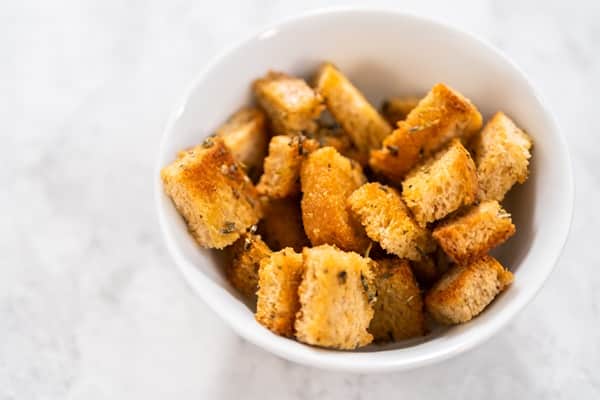
Croutons, fried onions, and bacon bits add a desirable crunch to salads but come with a hefty load of refined carbohydrates and excess fats. These toppings are often made from white bread or are deep-fried, contributing empty calories and unhealthy fats to your meal. While they enhance texture and flavor, they offer little nutritional value and can quickly turn a healthy salad into an unhealthy one, especially when used in large quantities.
Instead of settling for these high-calorie toppings, consider healthier alternatives that provide crunch without compromising your salad’s nutritional profile. Options like toasted nuts, seeds, or baked whole-grain pita chips offer the same satisfying crunch with additional health benefits, such as fiber, healthy fats, and protein. Incorporating these alternatives can enhance the salad’s texture and flavor while also boosting its nutritional content, making your salad a truly healthy option.
Excess Cheese
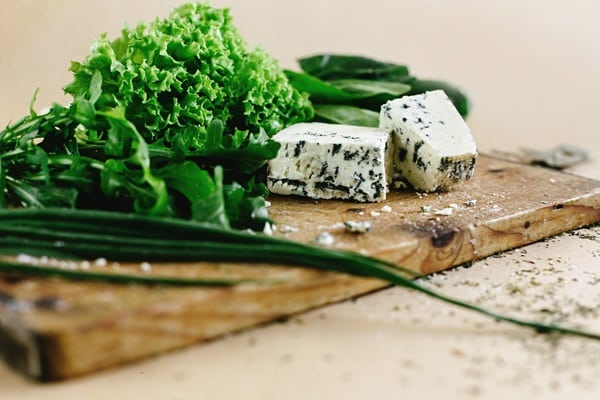
Cheese can add a rich flavor and texture to salads, but it’s also a common source of extra calories and saturated fats, especially when used in large amounts. Cheeses like blue cheese, cheddar, and feta are high in fat and can quickly increase the calorie count of your salad. While cheese does provide beneficial nutrients like calcium and protein, moderation is key to keeping your salad health-friendly.
If you’re looking to include cheese in your salad, opt for lower-fat options or use smaller amounts of stronger-flavored cheeses. Cheeses such as mozzarella, cottage cheese, or a sprinkle of parmesan can provide the creamy texture and flavor you desire without overloading on fat and calories. Alternatively, nutritional yeast can offer a cheese-like flavor while being low in calories and fat, making it a popular choice for those looking to maintain the taste without the unhealthy aspects of traditional cheese.
Processed Meats

Processed meats like bacon, ham, or salami are often included in salads for their savory flavor and protein content. However, these meats are typically high in sodium and preservatives, such as nitrates, which are linked to various health issues, including heart disease and certain types of cancer. They also contribute to the overall calorie and fat content of the salad, detracting from its nutritional value.
For a healthier salad, consider replacing processed meats with lean protein sources such as grilled chicken, tofu, or legumes. These alternatives provide the necessary protein without the added health risks associated with processed meats. They also offer a variety of textures and flavors that can complement the other ingredients in your salad, making it both nutritious and delicious.