Salads are often the go-to option for those looking to eat healthily. However, without proper knowledge, even the most “healthy” salads can be deceptive calorie bombs laden with hidden fats, sugars, and other unhealthy elements. This post sheds light on some of the unhealthy salad ingredients that can turn your nutritious bowl into a less desirable option. Understanding these pitfalls is key to optimizing the health benefits of your salads and making informed choices that align with your dietary goals. Dive in to discover the ingredients you might want to think twice about adding to your next salad.
Contents
Creamy Dressings
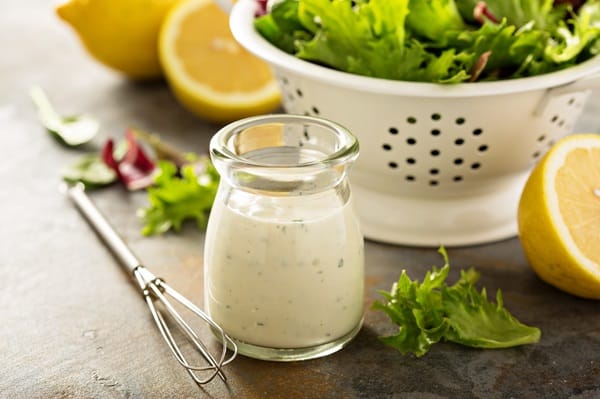
Creamy dressings are a popular choice for adding flavor to salads, but they come with a cost. Often loaded with calories and saturated fats, these dressings can quickly transform a healthy salad into a high-calorie meal. Ingredients like mayonnaise, sour cream, or cheese are common in these dressings, adding not just flavor but also a significant amount of unhealthy fats. Additionally, many store-bought versions contain preservatives and additives that extend shelf life but detract from nutritional value.
Not only are creamy dressings high in fat, but they also often contain hidden sugars and a high sodium content, contributing to an increased risk of health issues like high blood pressure and heart disease. The texture and flavor that make these dressings appealing can be achieved through healthier alternatives, such as using Greek yogurt or avocado as a base. By swapping out creamy dressings for these healthier options, you can significantly reduce the calorie and fat content of your salad without compromising on taste.
Croutons and Crunchy Toppings

Croutons, fried onions, and bacon bits add a desirable crunch to salads but come with a hefty load of refined carbohydrates and excess fats. These toppings are often made from white bread or are deep-fried, contributing empty calories and unhealthy fats to your meal. While they enhance texture and flavor, they offer little nutritional value and can quickly turn a healthy salad into an unhealthy one, especially when used in large quantities.
Instead of settling for these high-calorie toppings, consider healthier alternatives that provide crunch without compromising your salad’s nutritional profile. Options like toasted nuts, seeds, or baked whole-grain pita chips offer the same satisfying crunch with additional health benefits, such as fiber, healthy fats, and protein. Incorporating these alternatives can enhance the salad’s texture and flavor while also boosting its nutritional content, making your salad a truly healthy option.
Excess Cheese
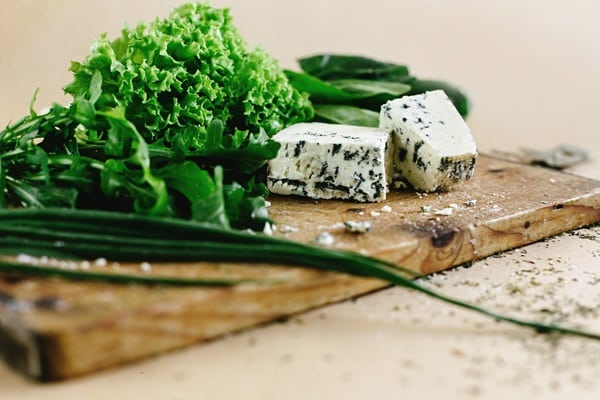
Cheese can add a rich flavor and texture to salads, but it’s also a common source of extra calories and saturated fats, especially when used in large amounts. Cheeses like blue cheese, cheddar, and feta are high in fat and can quickly increase the calorie count of your salad. While cheese does provide beneficial nutrients like calcium and protein, moderation is key to keeping your salad health-friendly.
If you’re looking to include cheese in your salad, opt for lower-fat options or use smaller amounts of stronger-flavored cheeses. Cheeses such as mozzarella, cottage cheese, or a sprinkle of parmesan can provide the creamy texture and flavor you desire without overloading on fat and calories. Alternatively, nutritional yeast can offer a cheese-like flavor while being low in calories and fat, making it a popular choice for those looking to maintain the taste without the unhealthy aspects of traditional cheese.
Processed Meats

Processed meats like bacon, ham, or salami are often included in salads for their savory flavor and protein content. However, these meats are typically high in sodium and preservatives, such as nitrates, which are linked to various health issues, including heart disease and certain types of cancer. They also contribute to the overall calorie and fat content of the salad, detracting from its nutritional value.
For a healthier salad, consider replacing processed meats with lean protein sources such as grilled chicken, tofu, or legumes. These alternatives provide the necessary protein without the added health risks associated with processed meats. They also offer a variety of textures and flavors that can complement the other ingredients in your salad, making it both nutritious and delicious.
Canned Fruits and Vegetables

Canned fruits and vegetables might seem like a convenient shortcut for adding nutrients to your salad, but they often come with added sugars, sodium, and preservatives that can negate their health benefits. The canning process can also lead to a loss of some vitamins, making fresh or frozen alternatives nutritionally superior. Look for “no added sugar” or “low sodium” options if canned products are necessary, but remember that fresh is always best for maximizing the nutritional value of your salad.
Opting for fresh or frozen produce not only provides a more vibrant taste and texture but also ensures that you’re getting the most nutrients out of your ingredients. Making a habit of incorporating a variety of colorful, fresh fruits and vegetables can significantly improve the health quality of your salads. This practice supports better health outcomes and ensures that your salad remains a cornerstone of a health-conscious diet.
Non-Organic or Low-Quality Greens

The foundation of any salad, the greens, can vary widely in quality and nutritional content. Non-organic greens may contain pesticide residues, while low-quality or wilted greens can be less nutrient-dense than their fresh, vibrant counterparts. Understanding the source and quality of your greens is crucial for ensuring that your salad is as healthy as possible.
Choosing organic, locally sourced greens can reduce the risk of consuming harmful chemicals and maximize nutrient content. Additionally, storing greens properly and washing them thoroughly before use can further enhance their health benefits. By prioritizing high-quality greens, you’re setting a healthy base for your salad and ensuring that every bite is as nutritious as it is delicious.
Excessive Dried Fruit or Nuts

While dried fruits and nuts can add a sweet or savory crunch to your salad, they also come with a high calorie and sugar content, particularly in the case of dried fruits, which often have added sugars. A small handful can quickly turn into a calorie-dense addition, overshadowing the healthier components of your salad. Being mindful of portion sizes is key to keeping your salad healthy.
Although rich in healthy fats and protein, nuts are also calorically dense. Opting for raw or lightly toasted versions without added oils or salts can provide the nutritional benefits without unnecessary additives. Incorporating these elements in moderation allows you to enjoy their taste and health benefits without compromising the overall nutritional quality of your salad.
High-Sodium Seasonings and Condiments

Seasonings and condiments can make or break the health factor of your salad. Many popular choices, like store-bought dressings or pickled items, are loaded with sodium and preservatives, which can lead to health issues such as high blood pressure and water retention. Even a seemingly small amount can significantly increase the sodium content of your meal, making it important to read labels and choose wisely.
Creating your own dressings and seasonings at home can drastically reduce sodium and allow you to control the ingredients to suit your health needs. Using herbs, spices, vinegar, and citrus juices can provide flavor without the added sodium. This way, you can ensure your salad remains a heart-healthy option, full of flavor and free from excessive sodium.
Embrace Healthier Salad Choices
In recognizing the impact of each ingredient, it’s clear that making mindful choices can transform your salad from a hidden source of unhealthy elements to a truly nutritious meal. Aim to replace creamy dressings, processed toppings, and other pitfalls with fresh, wholesome alternatives. By doing so, you not only enhance the flavor and texture of your salads but also substantially boost their health benefits. Take this knowledge and make each salad an opportunity to nourish your body and delight your palate.