Skipping Post-Workout Shower
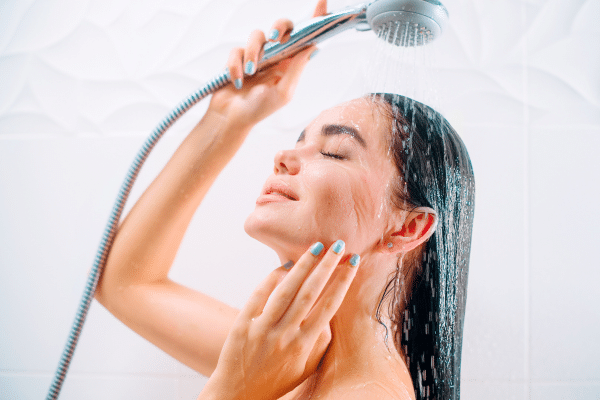
Foregoing a shower after intense physical activity can lead to more than just unpleasant body odor; it can be a catalyst for various hygiene-related issues. Sweat, when left to dry on the skin, can clog pores and lead to acne breakouts. Moreover, the warm, moist environment created by sweaty clothes is an ideal breeding ground for bacteria and fungi, raising the risk of skin infections like athlete’s foot and jock itch. Taking a shower not only cleanses the skin but also offers a refreshing transition from the intense mode of exercising to a state of rest and recovery.
In addition to the physical benefits, a post-workout shower can have psychological benefits. The act of showering can signify the end of the workout, providing a clear boundary between the time dedicated to exercise and the rest of the day’s activities. This can help in mentally transitioning from the high-energy state of exercise to a more relaxed and calm state, aiding in stress reduction and promoting overall well-being. Therefore, incorporating a shower into the post-workout routine is not only beneficial for hygiene but also for mental health.
Consuming Alcohol
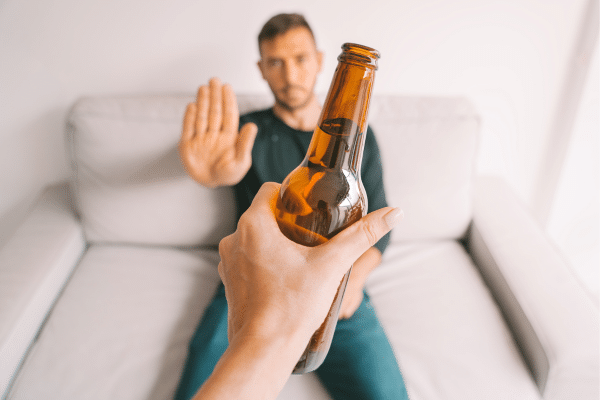
Opting for alcoholic beverages after a workout might seem like a tempting way to unwind, but it can be detrimental to the recovery process. Alcohol dehydrates the body, interferes with the absorption of nutrients, and can inhibit protein synthesis, all of which are crucial for muscle repair and growth. Additionally, alcohol can disrupt sleep patterns, preventing the body from entering the deep sleep stages necessary for optimal recovery and muscle building. While the immediate relaxing effects of alcohol might be appealing, they come at the cost of impeding the body’s healing process after physical exertion.
Moreover, alcohol can impair judgment and reduce willpower, potentially leading to unhealthy eating choices that contradict the fitness goals set by the individual. The calories in alcoholic beverages, often referred to as ’empty calories,’ provide little to no nutritional benefit and can contribute to unwanted weight gain. For those committed to maintaining a healthy lifestyle and optimizing their fitness results, it’s advisable to seek alternative ways to relax and unwind after a workout, such as meditation, reading, or a leisurely walk.
Ignoring Pain Or Discomfort

Discomfort and mild fatigue might be common after a workout, but it’s crucial to differentiate between these expected sensations and the pain that signals a potential injury. Ignoring pain or dismissing it as a normal part of exercising can lead to severe injuries, prolonged recovery times, and even permanent damage. Paying attention to the body’s signals and understanding the difference between muscle fatigue and pain can prevent minor issues from escalating into major health problems. Recognizing when to push through and when to pull back is a critical skill that can safeguard health and ensure the longevity of one’s fitness journey.
Seeking professional advice when experiencing unusual or persistent pain is not a sign of weakness but a wise approach to personal health care. Health professionals can provide valuable insights, recommend appropriate treatments, and tailor recovery plans that align with individual fitness levels and goals. This proactive approach not only addresses the immediate concern but also educates individuals on how to prevent future injuries, ensuring a safer and more effective path to achieving their fitness aspirations.
The Bottom Line
The period following a workout is a critical time for the body, demanding practices that promote recovery, prevent injury, and align with long-term health and fitness goals. From stretching and proper nutrition to hydration and hygiene, each post-workout practice plays a pivotal role in shaping the overall fitness journey. Acknowledging the importance of these practices and integrating them into the daily routine can significantly enhance workout results, prevent health issues, and foster a sustainable, balanced approach to fitness and well-being. Remember, the efforts put into post-workout care are just as crucial as the workout itself.