Understanding what to drink after a workout is crucial for maximizing the benefits of physical activity. Rehydrating and replenishing the body’s nutrients post-exercise aids in recovery, reduces muscle soreness, and prepares the body for the next session. This article explores a selection of drinks, each offering unique benefits to post-workout recovery. From natural juices rich in antioxidants to hydrating options filled with electrolytes, the choices are diverse and cater to different needs and preferences.
Contents
Tart Cherry Juice

Tart cherry juice is a potent drink for post-workout recovery, primarily due to its high concentration of antioxidants and anti-inflammatory compounds. These substances combat oxidative stress and inflammation, common by-products of intense physical activity. Incorporating tart cherry juice into the post-workout routine can significantly reduce muscle damage and expedite recovery. Additionally, the presence of natural melatonin in the juice may improve sleep quality, further aiding in the muscle repair process that predominantly occurs during rest.
Studies underscore the efficacy of tart cherry juice in enhancing recovery. Research indicates that athletes consuming tart cherry juice experience less muscle soreness and quicker strength recovery post-exercise. The juice’s ability to reduce inflammation and muscle damage, as well as its potential to improve sleep patterns, makes it an excellent choice for those looking to optimize their recovery and performance.
Coconut Water
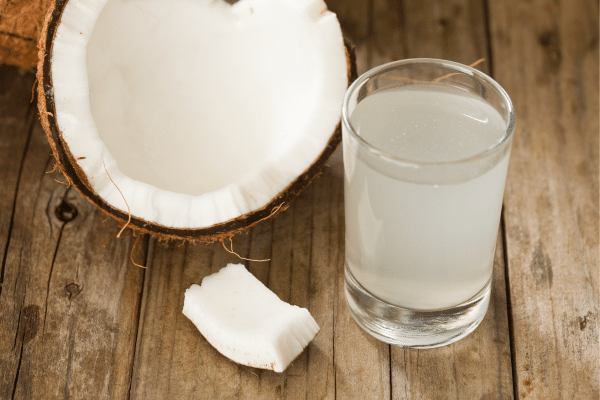
Coconut water is often referred to as nature’s sports drink, owing to its high electrolyte content, particularly potassium and magnesium. These electrolytes play a vital role in rehydration and maintaining fluid balance in the body, especially after exercises that induce significant sweating. Unlike many commercial sports drinks, coconut water is low in added sugars and calories, making it a natural and healthy choice for post-workout hydration.
The benefits of coconut water extend beyond hydration. Its modest carbohydrate content helps replenish energy stores, while the presence of certain plant hormones, known as cytokinins, may possess antioxidant properties, contributing to reduced stress and improved recovery. For those seeking a natural alternative to traditional sports drinks, coconut water offers a refreshing and nutrient-rich solution.
Green Tea

Green tea is renowned for its health benefits, including its role in post-workout recovery. The drink is abundant in antioxidants like catechins, which aid in neutralizing free radicals generated during intense workouts. These antioxidants not only protect cells from oxidative stress but also contribute to fat oxidation, making green tea a preferred option for those aiming to lose weight or improve metabolic health. Beyond its antioxidant properties, green tea offers mild caffeine content, which can enhance alertness and concentration after strenuous physical activity.
The beverage’s contribution to exercise recovery extends beyond its antioxidant capacity. Green tea’s role in hydration is crucial, especially considering the fluid loss during exercise. Its ability to improve endurance and potentially accelerate recovery makes it a favored drink among fitness enthusiasts. Regular consumption of green tea post-workout can complement physical activity, promoting overall well-being and enhancing the body’s ability to recover and prepare for subsequent exercise sessions.

Smoothies

Smoothies offer a customizable and convenient way to replenish the body after a workout. By combining fruits, vegetables, protein sources, and other nutrient-rich ingredients, one can create a balanced post-workout drink that supports muscle recovery and replenishment of glycogen stores. The versatility of smoothies allows for the inclusion of ingredients that target specific recovery needs, such as protein for muscle repair, antioxidants for reducing inflammation, and carbohydrates for energy restoration.
Incorporating a variety of ingredients can cater to different dietary preferences and workout goals. For instance, a smoothie with whey protein, banana, and almond milk can be ideal for muscle building, while a blend of berries, spinach, and Greek yogurt may suit those aiming for weight loss or general health maintenance. The ease of adjusting the nutritional content makes smoothies a practical and effective option for post-workout nutrition.
Beetroot Juice

Beetroot juice has gained popularity among athletes and fitness enthusiasts due to its high nitrate content, which the body converts into nitric oxide. This compound dilates blood vessels, enhancing blood flow and oxygen delivery to muscles. Such physiological effects can significantly improve exercise performance, endurance, and recovery. Consuming beetroot juice before or after a workout may help reduce oxygen consumption during exercise, making physical activities less exhaustive and more efficient.
The benefits of beetroot juice are not limited to its nitrate content. It is also rich in antioxidants, vitamins, and minerals, which support overall health and recovery. The anti-inflammatory properties of the compounds present in beetroot juice may aid in muscle recovery and reduce soreness after intense workouts. For those looking to naturally boost their performance and recovery, beetroot juice offers a promising and nutritious option.
Protein Shakes

Protein shakes are a staple in post-workout nutrition, primarily due to their convenience and high protein content. Protein is essential for repairing and building muscle tissues damaged during exercise. A protein shake immediately after a workout provides the body with a quick source of protein, initiating the recovery process. With a variety of protein powders available, including whey, casein, and plant-based options, individuals can choose a product that aligns with their dietary preferences and fitness goals.
The benefits of protein shakes extend beyond muscle recovery. They can also contribute to increased muscle mass, improved metabolic rate, and reduced appetite. By facilitating the intake of adequate protein, these shakes support not only post-workout recovery but also long-term fitness and health objectives. Customizing protein shakes with added fruits, vegetables, or nut butters can further enhance their nutritional value, making them a versatile and effective component of post-workout nutrition.
Water

The importance of water in post-workout recovery cannot be overstated. It is the most fundamental element for rehydration, especially after exercises that lead to significant fluid loss through sweat. Replenishing the body’s water content is essential for maintaining normal bodily functions, including temperature regulation, nutrient transportation, and joint lubrication. The simplicity and accessibility of water make it an indispensable part of any post-workout routine.
Guidelines for water intake post-workout vary based on factors such as exercise intensity, duration, and individual sweat rates. Generally, it is recommended to drink water gradually and consistently after exercising to effectively rehydrate. Monitoring urine color can serve as an indicator of hydration status, with pale yellow suggesting adequate hydration. For optimal recovery and performance, ensuring proper water intake is as crucial as any other nutritional strategy.
The Bottom Line
Choosing the right drink after a workout significantly influences recovery, performance, and overall health. From the antioxidant-rich tart cherry juice to the hydrating properties of coconut water, each option offers unique benefits. While smoothies provide customizable nutrition, beetroot juice offers performance-enhancing nitrates, and protein shakes deliver essential muscle-repairing nutrients. However, the fundamental role of water in rehydration should never be underestimated. Ultimately, the choice of post-workout drink should align with individual fitness goals, dietary preferences, and the specific demands of the workout routine.