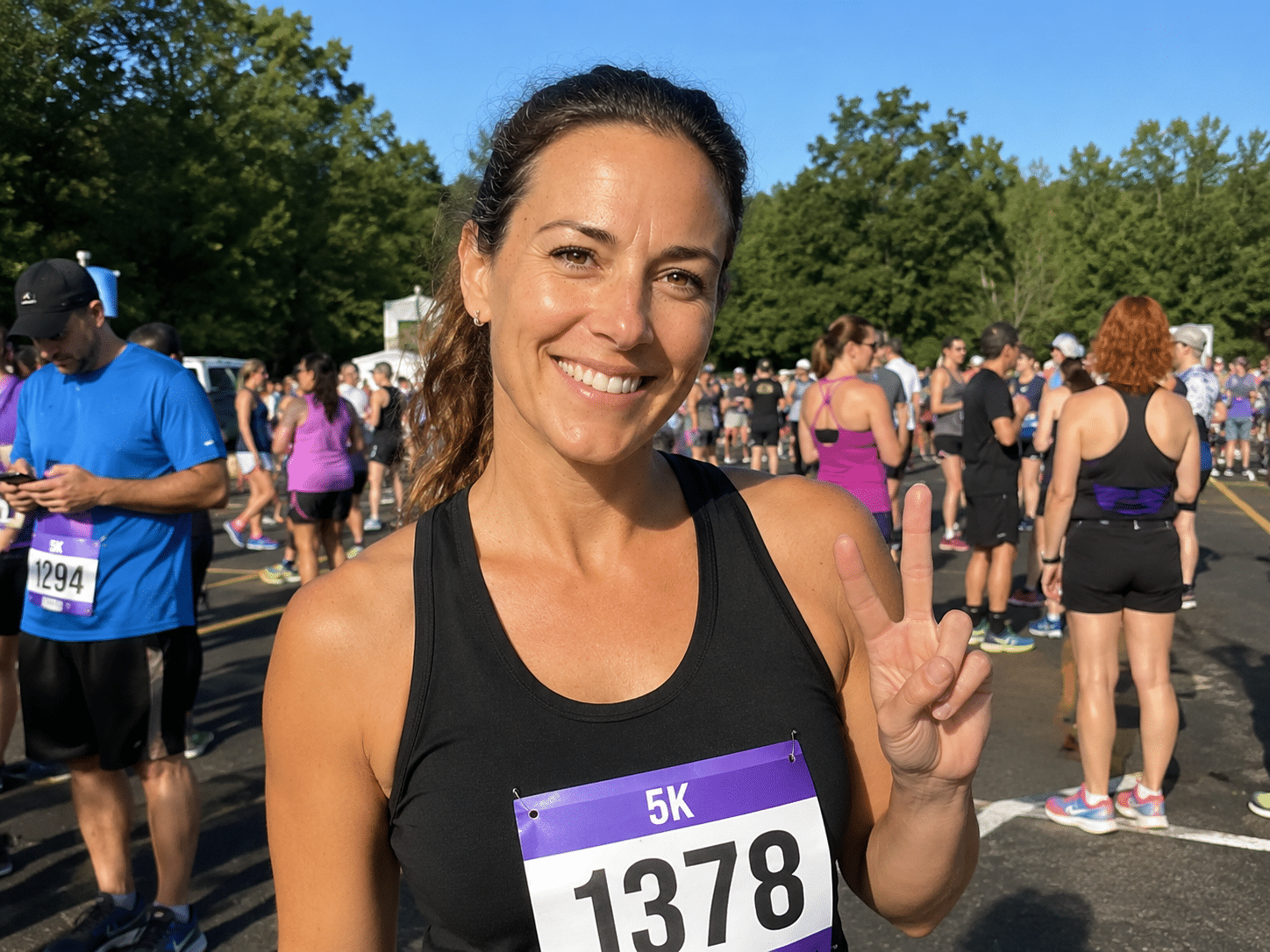
Aging is a natural, inevitable process, yet it often comes with concerns and misconceptions. This blog post aims to dispel fears and provide practical strategies to navigate the complexities of growing older. By adopting a proactive approach, it’s possible to age gracefully and healthfully, embracing the wisdom and experience that comes with time. The journey of aging need not be a path of decline but can be a period of growth, learning, and enrichment, with the right mindset and lifestyle choices.
Eat A Healthy Diet

A balanced diet plays a crucial role in aging well. Nutrient-rich foods bolster the immune system, reduce the risk of chronic diseases, and contribute to overall vitality. It’s essential to focus on a variety of fruits, vegetables, lean proteins, and whole grains while minimizing processed foods and sugar. Antioxidants, found abundantly in berries, leafy greens, and nuts, combat oxidative stress and inflammation, two culprits in the aging process. Making informed food choices can significantly enhance physical health and provide the energy needed to enjoy life’s later years.
As the body ages, its nutritional needs and metabolism change, presenting unique dietary challenges. Maintaining a healthy weight becomes increasingly difficult, making portion control and nutrient-dense foods paramount. Hydration is another critical aspect often overlooked; water supports every cell and function in the body. Practical tips, such as planning meals ahead, incorporating a variety of colors on the plate, and understanding the body’s hunger and fullness cues, can simplify healthy eating. Cultivating a positive relationship with food ensures that meals are not just nourishing but also a source of pleasure and comfort.
Stay Physically Active

Physical activity is a cornerstone of longevity and well-being. Regular exercise maintains muscle strength, enhances flexibility, and supports cardiovascular health, all of which are vital for independence and quality of life in later years. It’s not about high-intensity workouts or becoming an athlete; rather, it’s about finding enjoyable, sustainable ways to move more every day. Walking, swimming, yoga, or even gardening can provide significant health benefits, helping to keep the body strong and resilient against age-related changes.
Barriers to physical activity, such as lack of time, motivation, or fear of injury, are common yet can be overcome with the right approach. Starting with small, achievable goals and gradually increasing intensity and duration can make exercise a regular part of the routine. It’s also important to find activities that are enjoyable, turning exercise into a rewarding part of the day rather than a chore. Social forms of exercise, like joining a walking group or taking a dance class, can also provide the added benefit of community and support, making physical activity a joy rather than an obligation.
Prioritize Mental Health
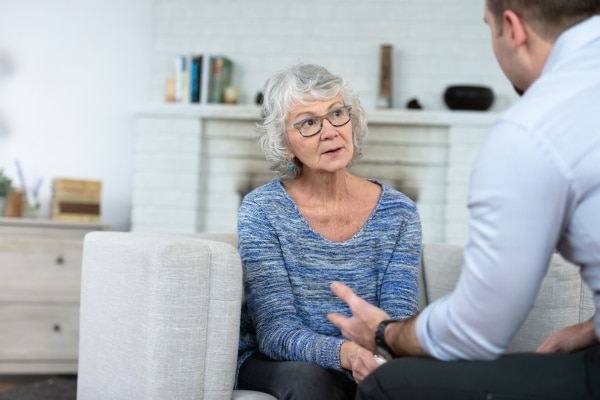
Mental well-being is as crucial as physical health in the aging process. Stress, if left unmanaged, can take a toll on the body, accelerating aging and increasing the risk of health issues. Adopting stress management techniques such as mindfulness, meditation, or deep-breathing exercises can significantly reduce stress levels. Hobbies and activities that bring joy and relaxation are also vital, providing a sense of accomplishment and happiness. Regular engagement in such practices nurtures the mind, fortifying it against the pressures of aging.
Cognitive health, a critical aspect of mental well-being, requires attention and care. Activities that challenge the brain, like puzzles, reading, or learning a new skill, keep the mind sharp and can ward off cognitive decline. Social interactions, too, play a role in stimulating the mind and preventing feelings of loneliness and isolation. Balancing relaxation with mental stimulation creates a healthy mental environment, promoting longevity and a higher quality of life.