Contents
Headaches and Body Aches: Why They Happen

One of the most common and frustrating symptoms of caffeine withdrawal is the sudden onset of headaches. Caffeine constricts blood vessels in the brain, and when it is removed, those vessels expand, increasing blood flow and triggering discomfort. This can create a throbbing or pressure-like sensation, often centered around the temples or forehead. Some individuals also report tension in the neck and shoulders as the body responds to withdrawal-induced stress. While these headaches can be intense, they typically peak within the first few days and gradually fade as the body adjusts.
Beyond headaches, some experience generalized body aches or flu-like symptoms. Caffeine has anti-inflammatory properties, and without it, minor aches and pains may become more noticeable. Muscle stiffness, fatigue, and even joint discomfort can emerge as part of the detox process. Drinking plenty of water, stretching, and incorporating light movement can help ease these symptoms. Although uncomfortable, these physical effects are temporary and often signal that the body is working to restore balance.
Digestive Changes: How Your Gut Reacts
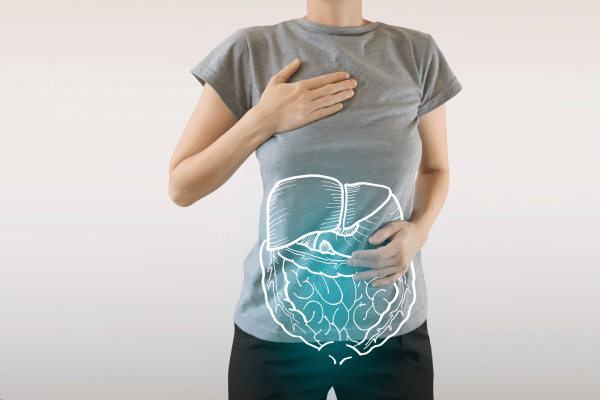
Caffeine has a direct impact on digestion, stimulating bowel movements and increasing stomach acid production. Without it, some people experience temporary constipation as the gut adjusts to functioning without this stimulant. This change can be frustrating, but it is a natural part of the body’s readjustment. Fiber-rich foods, hydration, and probiotics can help maintain regularity during this transition. Over time, the digestive system finds a new rhythm, often leading to more stable and predictable digestion.
For others, quitting caffeine brings relief from digestive discomfort. Caffeine can irritate the stomach lining, leading to acid reflux, bloating, or stomachaches. Without it, these symptoms often subside, improving overall gut health. The body learns to regulate digestion naturally, reducing the need for stimulants to keep things moving. While it may take a few days for the gut to recalibrate, most people notice long-term digestive improvements once they adjust.
Sleep Quality Improves: The Surprising Benefit

Caffeine interferes with the body’s natural sleep cycle, often lingering in the system for hours after consumption. Many caffeine consumers struggle with falling asleep or staying asleep without realizing its impact. Once caffeine is removed, sleep patterns gradually improve, with many reporting deeper and more restful sleep. The body naturally adjusts its melatonin production, leading to more restorative rest. This change alone can dramatically improve overall well-being and energy levels.
As sleep quality improves, the body benefits in multiple ways. Cognitive function sharpens, memory retention strengthens, and daytime alertness becomes more stable. Instead of relying on caffeine to combat fatigue, individuals find that their energy levels feel more natural and consistent. This shift often leads to fewer afternoon crashes, reducing the need for stimulants altogether. While the transition may take time, the long-term benefits of improved sleep are well worth the initial discomfort of withdrawal.
A Life Beyond Caffeine—Is It Worth It?
Quitting caffeine is a challenge, but the body gradually adapts and finds balance without it. While withdrawal symptoms like fatigue, headaches, and mood swings can be discouraging, they are temporary hurdles on the path to better health. Over time, energy levels stabilize, sleep improves, and anxiety decreases, making the absence of caffeine a long-term advantage rather than a loss. Many who make the switch feel more in control of their energy and well-being. Whether the goal is quitting permanently or simply taking a break, understanding the process makes it easier to transition and reap the benefits of a caffeine-free lifestyle.