
Food companies have mastered the art of deception, making unhealthy products seem the best choice for consumers. From misleading labels to addictive ingredients, these corporations use carefully crafted strategies to keep people hooked on processed foods. Many believe they are making smart dietary decisions, but they consume excessive sugar, unhealthy fats, and artificial additives. The convenience and affordability of these products only add to their appeal, making it harder for consumers to resist. Understanding these deceptive tactics is the first step toward making healthier choices and breaking free from the industry’s grip.
Misleading Health Claims: The Label Lies

Packaging and branding often make products appear far healthier than they are, preying on consumers looking for nutritious options. Terms like “all-natural,” “organic,” “low-fat,” and “sugar-free” create an illusion of health, even when these foods are packed with artificial additives and hidden sugars. Many unknowingly fall for this trick, assuming they make the best choice for their bodies. However, a closer look at the ingredients list often reveals preservatives, synthetic chemicals, and refined sugars disguised under different names. These misleading claims make it difficult to differentiate between healthy foods and those designed to appear that way.
Food manufacturers understand that perception is everything, so they invest heavily in crafting labels that tell a different story than what’s inside. A product advertised as “low-fat” often compensates by adding extra sugar or sodium to enhance flavor. Similarly, a snack branded as “whole grain” might contain more processed flour than actual whole grains. The goal is to convince consumers they are making a responsible choice while keeping them dependent on highly processed foods. Without reading the fine print, many unknowingly fall into the trap of consuming more harmful ingredients than expected.
The Sugar Trap: Disguising the Sweet Truth
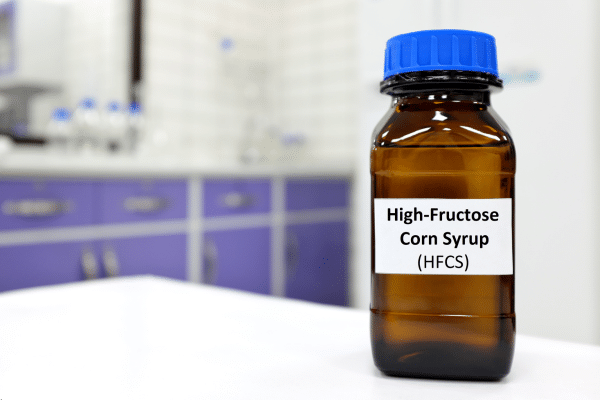
Sugar is one of the biggest culprits in the modern diet, yet food companies go to great lengths to hide how much of it is in their products. Instead of listing “sugar” outright, manufacturers use dozens of names like high-fructose corn syrup, maltose, dextrose, and cane juice. This tactic makes it difficult for consumers to recognize how much sugar they consume, keeping them hooked on sweetened foods. Even products marketed as “healthy” alternatives, such as flavored yogurts, protein bars, and granola, often contain excessive sugar levels masked by clever labeling.
The addictive nature of sugar is another tool food companies use to keep consumers returning for more. Studies have shown that sugar triggers the brain’s reward system in ways similar to addictive substances, making it difficult to break the habit. Processed foods are carefully engineered to create the perfect balance of sweetness, ensuring people develop cravings for them. This keeps demand high while making it harder for consumers to transition to whole, unprocessed foods. The more sugar people consume, the more they crave it, leading to a cycle of unhealthy eating habits that benefits food corporations while harming public health.
Portion Illusions: Making Junk Seem Acceptable
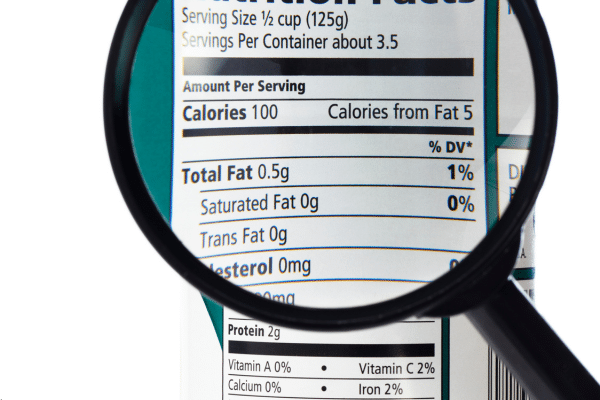
One of the most deceptive tactics food companies use is manipulating serving sizes to make products appear less unhealthy. A single packaged item, such as a bottled drink or a snack, often lists multiple servings on the nutrition label. This means that while a product may appear to have reasonable calorie and sugar content, the reality is far worse if consumed in its entirety. Many consumers fail to check serving sizes and unknowingly consume double or triple the intended amount, all while believing they are staying within reasonable dietary limits.
Restaurants and fast-food chains also exploit this tactic by normalizing oversized portions under the guise of “value meals.” What was considered an extra-large portion decades ago is now a standard size, encouraging overeating without consumers realizing it. People are conditioned to believe they are getting a better deal, but they consume far more calories, sodium, and unhealthy fats than they need. This strategy benefits food companies by increasing sales while contributing to widespread health issues such as obesity and heart disease.