Social Connections

Maintaining strong social connections is vital for stress relief. Relationships with friends and family can provide emotional support, reduce feelings of loneliness, and help cope with stressful situations. Engaging in social activities, sharing concerns with a trusted friend, or simply spending time with loved ones can be therapeutic.
It’s important to balance social interactions with personal time. While socializing can be a great stress reliever, having time alone for self-reflection and relaxation is also essential. Building and nurturing relationships and personal downtime can create a healthy balance that effectively helps manage stress.
Creative Outlets

Creative pursuits offer a unique way to relieve stress. Activities like painting, writing, or playing music provide an escape from the routine pressures of life. Engaging in creative work can be therapeutic, offering a way to express emotions and process feelings. It also serves as a mental distraction, allowing the mind to focus on positive and enjoyable tasks.
Finding a creative hobby that resonates with one’s interests can be a fulfilling way to reduce stress. It doesn’t require expertise or talent; the key is to enjoy the process and find relaxation in the creative expression. Creative outlets can significantly reduce stress, Whether through art, music, or writing.
Nature and Outdoors

Spending time in nature can have a profound impact on reducing stress. Natural settings provide a sense of tranquility and an escape from the hustle and bustle of everyday life. Activities like hiking, gardening, or walking in a park can help lower stress levels. The calming effect of nature can help rejuvenate both the mind and body.
For those living in urban areas, finding ways to connect with nature, such as visiting local parks or caring for houseplants, can also be beneficial. The key is to regularly spend time in natural surroundings, which can help reduce feelings of stress and anxiety.
Professional Help

Sometimes, the best way to manage stress is by seeking professional help. Therapists and counselors can provide strategies and tools to cope with stress more effectively. They offer a safe space to discuss issues and work through challenges. Stress management programs or workshops can also be beneficial.
It’s important to recognize when stress becomes overwhelming and to understand that seeking help is a sign of strength, not weakness. Professional support can be crucial in managing stress, especially when other methods have been less effective.
Time Management
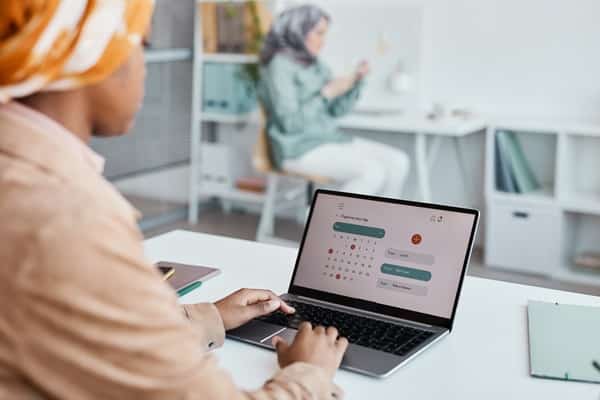
Effective time management is key to reducing stress. Organizing and prioritizing tasks makes it easier to manage workload and reduce the feeling of being overwhelmed. Setting realistic goals, making to-do lists, and delegating tasks can help manage time more efficiently.
Avoiding procrastination and setting aside specific times for tasks can also reduce stress. Individuals can create a more balanced and less stressful lifestyle by managing time effectively.
The Bottom Line
In conclusion, managing stress involves a variety of approaches, each tailored to individual needs and preferences. From physical activities and mindful practices to creative pursuits and professional help, numerous ways exist to alleviate stress. Recognizing the importance of managing stress for overall health and well-being is crucial. Experimenting with different methods can help individuals find what works best for them. Remember, the journey to effective stress management is personal, and what works for one person may not work for another. The key is to remain open to different strategies and maintain a positive attitude toward finding peace and balance.