
Vitamin E: Antioxidant And Skin Health

Vitamin E, a potent antioxidant, plays a significant role in protecting the body from oxidative stress caused by free radicals. This protection is crucial for maintaining healthy skin and eyes and supporting the immune system. Vitamin E’s antioxidant properties are also believed to play a role in preventing chronic diseases and aging-related damage. The primary sources of Vitamin E are plant-based oils, nuts, seeds, and green leafy vegetables. It’s also found in smaller amounts in certain fruits and meats.
The body stores Vitamin E, making deficiencies rare, but they can occur in people with certain medical conditions or those on low-fat diets. The recommended daily intake of Vitamin E varies, but it’s generally easy to obtain from a balanced diet. Ensuring adequate vitamin E intake is important for its protective benefits, particularly for skin health, where it helps maintain moisture and elasticity and protects against UV damage and environmental pollutants.
Vitamin B12: Essential For Nerve Function And Energy

Vitamin B12 is a powerhouse nutrient, essential for maintaining healthy nerve cells and aiding in the production of DNA and RNA, the body’s genetic material. It’s also crucial for the metabolism of every cell in the body, impacting energy levels and brain function. B12 plays a significant role in the formation of red blood cells, helping to prevent anemia, a condition that can lead to fatigue and weakness. This vitamin is particularly important for vegetarians and vegans, as it is primarily found in animal products.
The challenge for those following plant-based diets is finding adequate sources of Vitamin B12. While it’s abundant in meat, fish, poultry, eggs, and dairy products, vegetarians and vegans may need to turn to fortified foods or supplements to meet their daily requirements. The recommended daily intake of Vitamin B12 varies, but it’s vital for pregnant women and older adults to ensure adequate intake. A deficiency in Vitamin B12 can lead to serious health issues, including nerve damage, cognitive difficulties, and gastrointestinal problems.
Vitamin K: Key To Blood Clotting And Bone Health

Vitamin K is essential for blood clotting, a critical process that prevents excessive bleeding when injuries occur. It also plays a vital role in bone health, working in tandem with Vitamin D to regulate bone mineralization and maintain bone density. This makes Vitamin K crucial for preventing osteoporosis and fractures. There are two main forms of Vitamin K: K1, found in leafy green vegetables, and K2, found in some animal products and fermented foods.
Dietary sources of Vitamin K include kale, spinach, broccoli, and other green leafy vegetables, as well as certain vegetable oils. While deficiency is rare, it can lead to increased bleeding and bruising. The recommended daily intake of Vitamin K varies, but it’s important for individuals on blood-thinning medications to manage their Vitamin K intake carefully, as it can affect the efficacy of these drugs. Ensuring a balanced diet that includes adequate Vitamin K is essential for maintaining both blood health and bone strength.
Vitamin B9: Crucial For Cell Growth And Metabolism
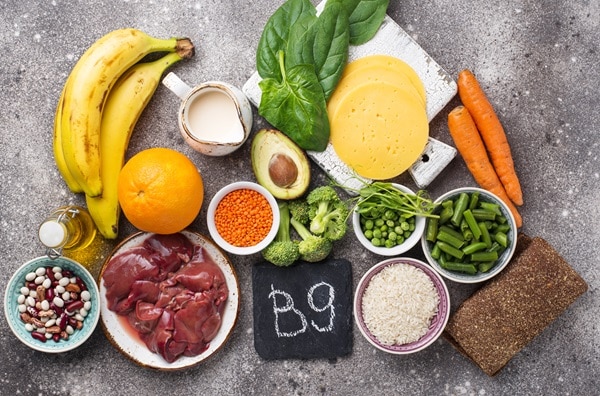
Folate, also known as Vitamin B9, is vital for healthy cell growth and metabolism. It plays a key role in forming DNA and RNA, making it essential for the rapid growth of cells and tissues, such as during pregnancy and infancy. Folate is also important for the production of red blood cells and the prevention of anemia. Its role in preventing birth defects, particularly neural tube defects in developing fetuses, makes it a crucial nutrient for pregnant women.
Dietary sources of folate include leafy green vegetables, fruits, nuts, beans, peas, and fortified grains. The body’s ability to absorb folate from food can vary, so supplements are often recommended for pregnant women and those planning to become pregnant. The recommended daily intake of folate varies depending on age and life stage, but ensuring adequate intake is essential for everyone, as a deficiency can lead to health issues like anemia, heart palpitations, and fatigue.
Embrace A Healthier You with These Key Vitamins
Understanding and integrating essential vitamins into your daily routine is a key step toward optimal health. While a balanced diet is the cornerstone of getting these vital nutrients, consider your individual needs, lifestyle, and health conditions. Consult with healthcare professionals to tailor your vitamin intake, ensuring you’re supporting your body’s diverse functions effectively. Start today by assessing your diet and making conscious choices to enrich it with these life-sustaining vitamins, paving the way for a healthier, more vibrant you.