
Vitamins play a pivotal role in maintaining optimal health, yet their importance is often overlooked in daily diets. This article delves into the essential vitamins you need for a healthy body and mind, emphasizing the significance of incorporating them into your daily routine. Understanding the role of each vitamin, their sources, and the recommended daily intake is crucial for enhancing overall well-being. As you read on, you’ll gain valuable insights into how these vital nutrients contribute to various bodily functions and how you can ensure you’re getting enough of them every day.
Vitamin A: Essential For Vision And Immune Function
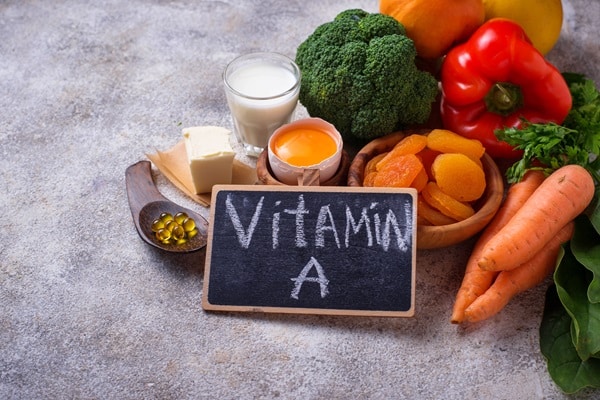
Vitamin A, a key player in maintaining healthy vision and a robust immune system, is a nutrient that cannot be ignored. It plays a crucial role in the formation and maintenance of healthy skin, teeth, and skeletal tissue. Notably, Vitamin A is vital for good vision, especially in low-light conditions, and is integral to the proper functioning of the retina. Additionally, it supports the immune system, helping to combat infections and illnesses.
The body sources Vitamin A from two primary avenues: animal-based foods and plant-based foods. Animal sources, such as dairy products, fish, and liver, provide preformed Vitamin A, which the body can use directly. On the other hand, plant-based foods like carrots, sweet potatoes, and leafy green vegetables contain beta-carotene, a precursor that the body converts into Vitamin A. The recommended daily intake of Vitamin A varies by age, gender, and life stage, but it’s generally advised to consume it as part of a balanced diet to avoid deficiencies, which can lead to issues like night blindness and a weakened immune system.
Vitamin C: The Immunity Booster
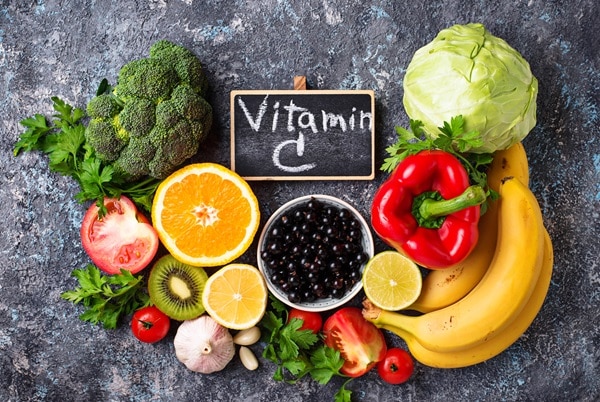
Vitamin C, renowned for its immune-boosting properties, is a vital nutrient that the body needs for various functions. It’s a powerful antioxidant that helps in neutralizing free radicals, thus playing a role in preventing diseases and promoting overall health. Beyond its immune-enhancing capabilities, Vitamin C is essential for the synthesis of collagen, a protein necessary for the repair and growth of tissues in the body. This makes it crucial for the healing of wounds and the maintenance of healthy skin, blood vessels, bones, and cartilage.
The best sources of Vitamin C are fruits and vegetables, particularly citrus fruits like oranges and lemons, strawberries, bell peppers, broccoli, and kiwi. Since the human body cannot produce or store Vitamin C, it’s essential to include these foods in your daily diet. The recommended daily intake varies, but a regular supply is necessary to prevent scurvy, a disease caused by Vitamin C deficiency characterized by bleeding gums, bruising, and joint pain. Regular consumption of Vitamin C-rich foods not only supports the immune system but also enhances the body’s ability to absorb iron from plant-based foods, contributing to overall health and vitality.
Vitamin D: The Sunshine Vitamin
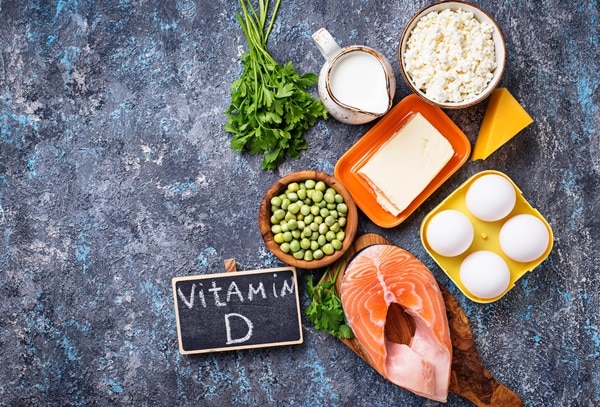
Vitamin D, often dubbed the “Sunshine Vitamin,” is unique as it is produced by the body in response to sunlight exposure. It plays a critical role in calcium absorption, making it essential for maintaining healthy bones and teeth. Furthermore, Vitamin D is vital for immune function and has been linked to mood regulation and the prevention of chronic diseases, including certain types of cancer.
Despite its importance, Vitamin D deficiency is surprisingly common, partly due to limited sun exposure in certain geographical areas and lifestyles that limit time outdoors. Foods like fatty fish, egg yolks, and fortified dairy products can provide Vitamin D, but it’s challenging to obtain sufficient amounts from diet alone. The recommended daily intake of Vitamin D depends on age, skin color, location, and sun exposure. Supplements are often recommended, especially in regions with limited sunlight. Ensuring adequate Vitamin D levels is crucial for bone health, and its deficiency can lead to conditions like osteoporosis and rickets in children.