Potential Side Effects and Precautions
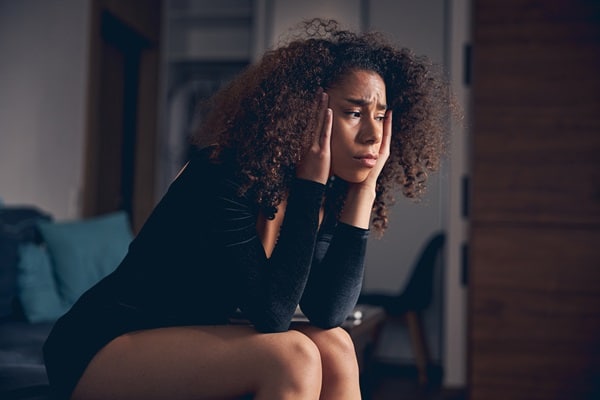
While Valerian Root is generally considered safe for most people, it’s important to be aware of potential side effects. Some individuals may experience mild headaches, dizziness, or stomach upset. Rarely, it can cause a paradoxical reaction, leading to feelings of anxiety or restlessness rather than relaxation. It’s crucial for users to monitor their reactions, especially when starting or changing dosages. Pregnant or breastfeeding women, and those with liver disease, should avoid using Valerian Root without medical advice.
Interactions with other medications are another vital consideration. Valerian Root can enhance the sedative effects of other sleep aids, anxiolytics, and depressants, including alcohol. This can lead to excessive drowsiness or impaired motor functions. It’s also advisable to discontinue use at least two weeks before any scheduled surgery to avoid potential interactions with anesthesia. Consulting a healthcare professional before combining Valerian Root with other medications or supplements is always recommended for safety.
Valerian Root Vs. Other Natural Remedies
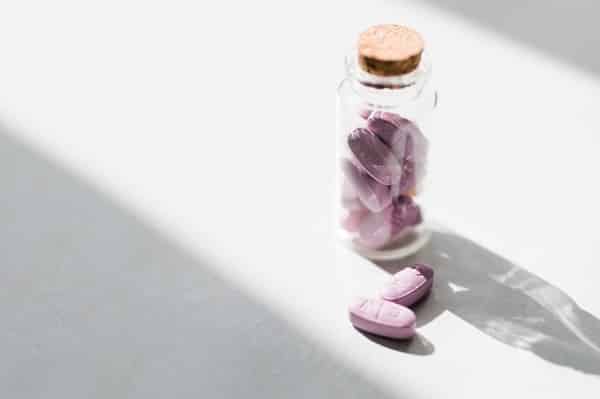
Valerian Root is often compared to other natural sleep aids and anxiety remedies, such as melatonin, chamomile, and lavender. Unlike melatonin, which regulates the sleep-wake cycle, Valerian Root works more as a sedative, making it more effective for those struggling to relax. Chamomile and lavender, often used in teas and aromatherapy, provide gentle relaxation but may not be as potent for severe insomnia or anxiety. Each of these remedies has its unique properties and uses, making them suitable for different needs and preferences.
In terms of advantages, Valerian Root stands out for its strong sedative properties and potential to improve sleep quality. However, its pungent odor and taste can be off-putting for some, a drawback not commonly found in other herbal remedies. The choice between these options often comes down to personal preference, specific health concerns, and how the body responds to each remedy. It’s always beneficial to research and possibly consult a healthcare provider when deciding on the best natural remedy for individual needs.
Valerian Root in Different Cultures and Traditions
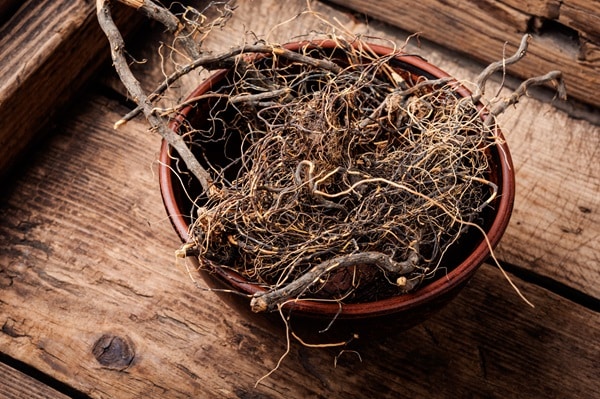
Valerian Root’s use in traditional medicine varies significantly across cultures. In Europe, it has been a staple in herbal medicine for centuries, primarily used for its sedative properties. Asian cultures, particularly in Ayurvedic medicine, have used it for its benefits in treating nervous disorders and as a muscle relaxant. These diverse uses highlight the adaptability and widespread acceptance of Valerian Root in traditional healing practices. The cultural significance of Valerian Root extends beyond its medicinal use, often featured in folklore and ancient rituals.
The traditional beliefs surrounding Valerian Root are as fascinating as its medicinal properties. In some cultures, it was believed to ward off evil spirits and was used in protective rituals. This spiritual aspect of Valerian Root, although less discussed, plays a significant role in understanding its historical and cultural importance. The integration of Valerian Root into modern herbal medicine is a testament to the enduring legacy of these ancient practices. It underscores the importance of respecting and preserving traditional knowledge in the context of contemporary health and wellness.
The Future of Valerian Root in Medicine and Wellness

The future of Valerian Root in the field of medicine and wellness looks promising, with ongoing research exploring its full potential. Scientists are delving deeper into its pharmacological properties, seeking to understand how it can be more effectively utilized in treating various health conditions. There’s a growing interest in integrating Valerian Root into conventional medical practices, especially as a complementary therapy for sleep disorders and anxiety. This integration signifies a shift towards a more holistic approach to health care, where natural remedies are given more scientific credence and acceptance.
In the wellness industry, Valerian Root continues to gain popularity as a natural, non-addictive alternative to conventional sleep aids and anxiolytics. Its role in stress management and relaxation techniques is being embraced by wellness practitioners and therapists. With the increasing consumer interest in natural and organic products, Valerian Root is likely to feature more prominently in health supplements and wellness products. As society continues to embrace natural health solutions, Valerian Root’s place in the future of medicine and wellness seems both significant and enduring.
Explore the Benefits of Valerian Root for Yourself
Valerian Root presents a fascinating blend of historical significance and modern relevance, offering potential benefits for sleep, anxiety, and overall well-being. While it’s important to approach its use with awareness of possible side effects and interactions, Valerian Root remains a valuable component of natural health practices. As you seek holistic approaches to health and wellness, consider exploring the benefits of Valerian Root and experience firsthand its potential impact on your life.