
A Gluten-Free Diet Is Healthier For Everyone

There’s another common misconception that a gluten-free diet is inherently healthier. And while avoiding gluten may be essential for those with celiac disease or gluten sensitivity, it’s important to note that gluten-free doesn’t necessarily mean healthier. Many gluten-free products contain more sugar, fat, and calories than their gluten-containing counterparts. Plus, removing gluten from your diet may lead to a lack of certain nutrients, such as fiber and B vitamins.
So, if you don’t have a medical reason for avoiding gluten, it’s better to focus on a varied, balanced diet rather than unnecessarily limiting a food group. And as always, consult with a doctor or registered dietitian before making any significant changes to your diet.
All Grains Contain Gluten

The myth that all grains contain gluten is one that has been perpetuated for some time now. However, the truth of the matter is that not all grains have gluten and those that do have varying amounts. Gluten is a protein commonly found in wheat, barley, and rye but is absent in grains like rice, corn, and oats.
In fact, oats themselves are gluten-free but can be problematic for those with celiac disease due to cross-contamination during processing. It’s important to clarify this misconception so those with gluten sensitivities or celiac disease can better understand which grains to avoid and which are safe to consume.
Gluten-Free Products Have No Gluten At All

Gluten-free products have become increasingly popular in the past few years due to the perceived health benefits of eliminating gluten from one’s diet. But, the truth behind these products may come as a surprise to many consumers. While it is true that gluten-free products are made without wheat, barley, and rye, the reality is that they may still contain trace amounts of gluten.
The truth is the FDA allows products labeled as “gluten-free” to contain up to 20 parts per million of gluten. This may not seem like much, but for those with celiac disease or gluten sensitivity, even small amounts of gluten can cause harm. So, while the idea of entirely gluten-free products may be a myth, it is vital for individuals to read labels and be aware of the amount of gluten in the products they consume.
Gluten Is Only Found In Food
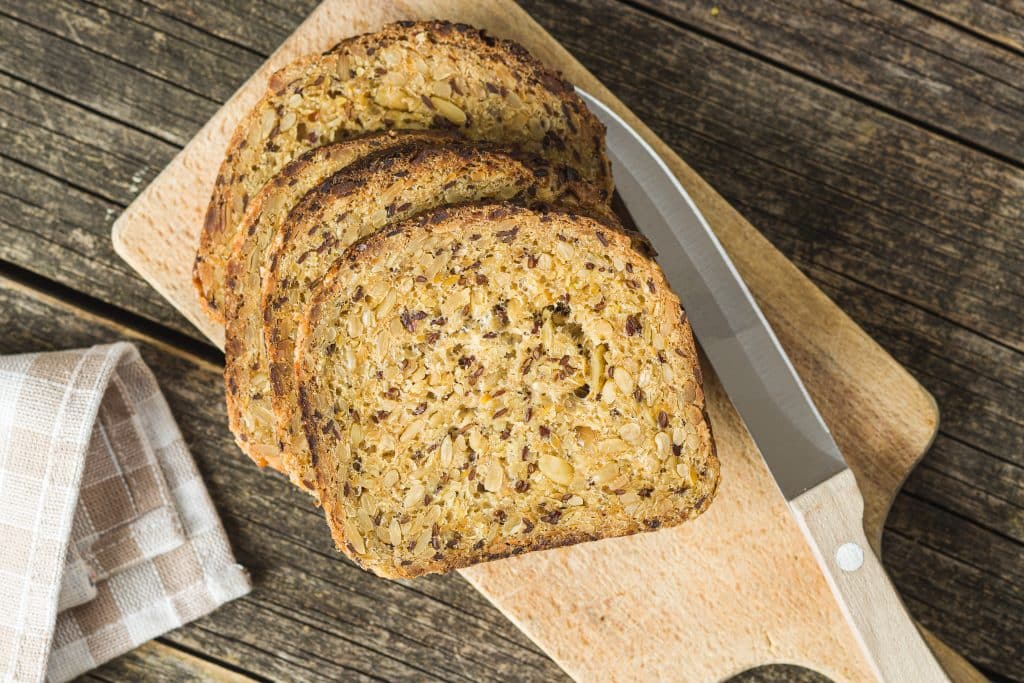
Contrary to popular belief, gluten isn’t just limited to food items like bread and pasta. You can also find this protein in unexpected places like cosmetics, medications, and even tattoos. For those with gluten sensitivity or celiac disease, this can pose a serious risk. It’s important to always check ingredient labels and do research before using a product, just to be safe.
As gluten-free diets become more mainstream, it’s important for people to learn the truth about this protein and where they may come in contact with it. By being informed, individuals can make decisions that benefit their health and well-being.
Know The Truth About Gluten!
Knowing the truth about gluten can help you make informed decisions when it comes to your diet and health. While a gluten-free diet may be beneficial for some, others may find that eating gluten-containing foods in moderation is the best course of action. If you’re unsure about whether or not a gluten-free diet is right for you, consult with a doctor or registered dietitian before making any changes. Overall, understanding the facts about gluten and what it is can help you make better decisions when it comes to your health and diet.