Contents
Eat A Healthy Diet

A diet rich in vitamins, minerals, and antioxidants plays a pivotal role in maintaining hydrated, glowing skin. Foods high in water content, such as fruits and vegetables, not only contribute to overall hydration but also provide essential nutrients that support skin health. For instance, vitamins A, C, and E are known for their antioxidant properties, combating free radicals and promoting skin repair. Omega-3 fatty acids, found in fish, nuts, and seeds, are crucial for maintaining the skin’s lipid barrier, which helps retain moisture and keep irritants at bay.
Conversely, certain foods and dietary habits can negatively impact skin hydration. High sodium intake can lead to dehydration and puffiness, while excessive sugar can contribute to inflammation and collagen breakdown, leading to dryness and premature aging. Striking a balance is key: incorporating a variety of nutrient-rich foods while moderating the intake of processed, sugary, and high-sodium foods can significantly improve skin hydration. Hydration is not just about what is applied externally; it’s equally about nourishing the body from within.
Avoid Hot Showers And Baths
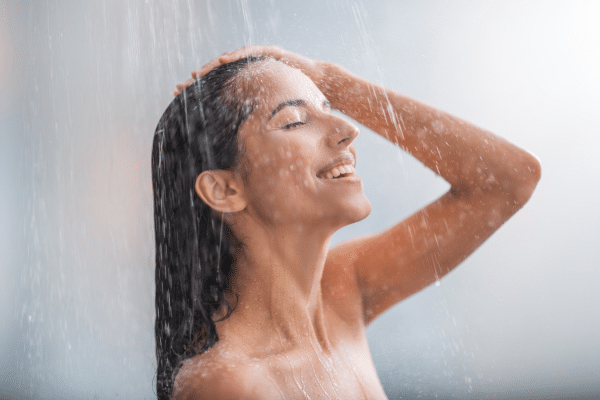
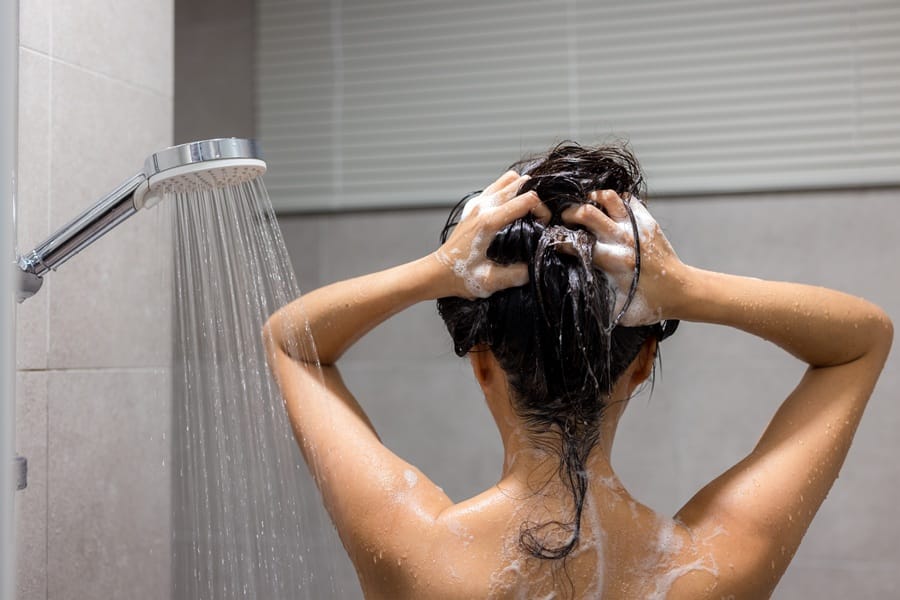
While a hot shower or bath can be comforting, especially in colder months, it can strip the skin of its natural oils, leading to dehydration and irritation. The heat from the water can break down the lipid barriers in the skin, which are essential for retaining moisture. Instead, opting for lukewarm water can help preserve these oils and maintain skin hydration. It’s also advisable to limit shower time to prevent further stripping of oils and to gently pat the skin dry afterward, rather than rubbing, to avoid irritation.
Post-shower or bath care is equally important for maintaining skin hydration. Applying a moisturizer immediately after bathing can lock in moisture and repair the skin’s barrier. For those with particularly dry skin, products containing ingredients like hyaluronic acid, glycerin, or ceramides can offer an extra hydration boost. Moreover, avoiding harsh soaps and choosing mild, fragrance-free cleansers can prevent the skin from becoming dry and irritated, further promoting a hydrated, healthy complexion.
Use A Humidifier
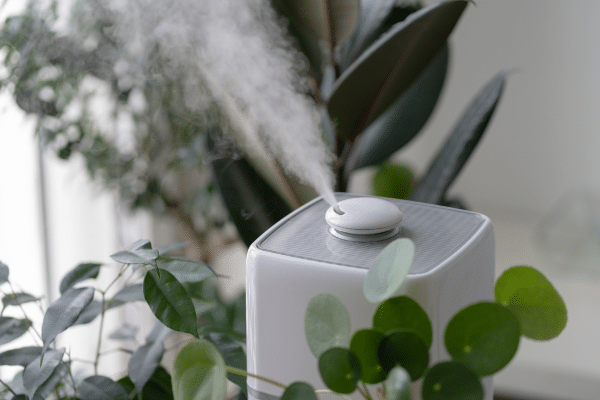
The environment plays a significant role in skin hydration, especially in climates with extreme temperatures or during seasons when the air is particularly dry. In such conditions, the air can sap moisture from the skin, leading to dryness and flakiness. Using a humidifier can add moisture back into the air, creating a more skin-friendly environment. This is particularly beneficial during the winter months or in air-conditioned spaces where the air tends to be dry. A humidifier can help maintain a consistent level of humidity, preventing moisture loss from the skin and promoting a hydrated, supple complexion.
When using a humidifier, it’s important to keep it clean to prevent the growth of mold and bacteria, which can be harmful to both the air quality and the skin. Regularly changing the water and cleaning the device according to the manufacturer’s instructions is essential. Furthermore, placing the humidifier in areas where time is spent most, such as the bedroom or office, can maximize its benefits, ensuring that the skin is exposed to a moisture-rich environment for extended periods.
Seek Professional Advice

Each individual’s skin is unique, and what works for one person may not work for another. This is where professional advice becomes invaluable. Dermatologists and skincare professionals can provide tailored recommendations based on individual skin types, concerns, and lifestyles. They can also help identify underlying conditions that may be affecting skin hydration and recommend treatments or products specifically formulated to address those issues.
Regular consultations with a skincare professional not only help in addressing immediate concerns but also in preventing potential issues. These experts can guide the selection of products, advise on lifestyle changes, and monitor the skin’s response to various treatments, ensuring that the journey to hydrated, healthy skin is both effective and safe. Remember, professional advice is not just for addressing problems; it’s a proactive approach to maintaining the skin’s health and vitality.
The Bottom Line
Hydrated skin is a reflection of a balanced, health-conscious lifestyle. From the moisturizers applied to the water consumed, each choice contributes to the skin’s health and appearance. It’s not just about a single product or habit; it’s about a holistic approach that combines proper skincare, nutrition, hydration, and professional guidance. Embracing these practices ensures not only a radiant complexion but also supports overall well-being. Remember, the journey to hydrated, healthy skin is a continuous one, with each step building upon the last, paving the way to a vibrant and youthful appearance.