
Maintaining hydrated skin is not just a cornerstone of beauty, but a vital aspect of overall health. The skin, being the largest organ of the body, acts as a protective barrier and is often a reflection of internal well-being. This post delves into the top-rated tips for keeping skin hydrated. From understanding the science of moisturizers to the benefits of a balanced diet and the crucial role of water intake, the forthcoming sections provide comprehensive guidance. Embracing these practices will not only enhance skin hydration but also contribute to a radiant and youthful complexion.
Moisturize Regularly
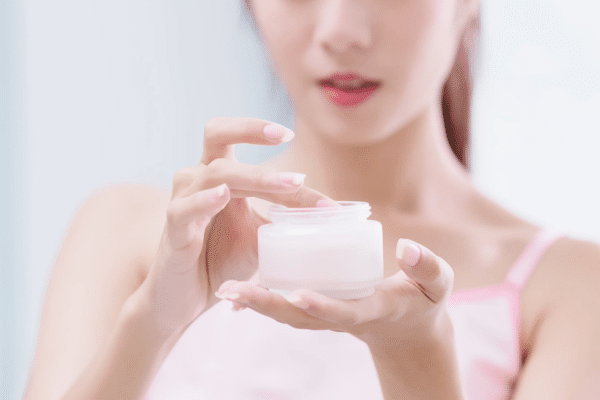
Moisturizers are more than just a cosmetic product; they are a shield against the daily wear and tear the skin faces. They work by trapping existing moisture in the skin and forming a protective barrier to prevent future loss of hydration. The key is to select a moisturizer that complements your skin type—oily, dry, combination, or sensitive. Ingredients like hyaluronic acid, glycerin, and ceramides are known for their hydrating properties and are often recommended by dermatologists. Moreover, for optimal results, moisturizing immediately after showering or washing the face can lock in moisture when the skin is still porous and receptive.
Understanding the unique needs of different skin types is crucial when selecting a moisturizer. For instance, oil-based creams are generally more suitable for dry skin, providing the necessary lipids and enhancing the skin’s natural barrier. Conversely, water-based moisturizers are recommended for oily or acne-prone skin, offering hydration without adding extra oil. It’s also important to recognize that skin’s hydration needs change with the seasons and even with age. Therefore, adapting the choice of moisturizer to these changing needs ensures the skin remains balanced and properly hydrated throughout the year.
Drink Enough Water

The link between hydration and skin health is undeniable. Skin cells, like any other cells in the body, require water to function optimally. When the body is adequately hydrated, the skin appears more plump, elastic, and less prone to flakiness and fine lines. However, it’s essential to understand that hydration starts from within. Merely applying topical products will not suffice if the body’s water needs are not met. Experts often suggest drinking at least eight 8-ounce glasses of water daily, though this can vary based on factors such as climate, activity level, and individual health conditions.
While plain water is the best source of hydration, one can also consume fruits and vegetables with high water content to supplement their intake. Foods like cucumbers, oranges, strawberries, and lettuce can contribute significantly to the body’s hydration levels. Additionally, understanding the signs of dehydration is crucial. Common indicators include dry mouth, fatigue, and dark urine. It’s also worth noting that certain beverages like coffee and alcohol can dehydrate the body and should be consumed in moderation, while prioritizing water intake throughout the day to ensure the skin remains hydrated and healthy.
Use Sunscreen

Sunscreen is an indispensable ally in the quest for hydrated, healthy skin. Prolonged exposure to UV rays can significantly damage the skin, leading to dryness, premature aging, and in severe cases, skin cancer. Sunscreen acts as a barrier, protecting the skin from these harmful rays. It’s not just for sunny days at the beach; dermatologists recommend wearing sunscreen daily, as UV rays can penetrate clouds and even windows. An ideal sunscreen offers broad-spectrum protection, guarding against both UVA and UVB rays, and has an SPF of at least 30 for effective defense.
Incorporating sunscreen into the daily skincare routine is more than a preventative measure; it’s a commitment to maintaining youthful and hydrated skin. For best results, sunscreen should be applied 15 minutes before going outdoors and reapplied every two hours, or more frequently if swimming or sweating. It’s also beneficial to seek shade during peak sun hours and wear protective clothing. Remember, while sunscreen can protect the skin from the external factors leading to dehydration, it works best when combined with other hydrating practices, ensuring a comprehensive approach to skin health.