
Margarine: The Butter Substitute Debate
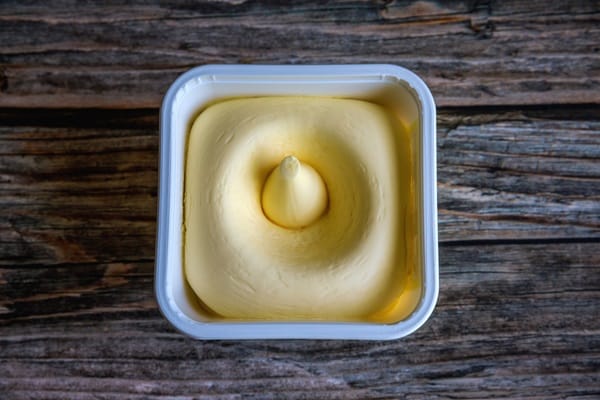
Margarine emerged as a popular alternative to butter, lauded for its lower saturated fat content and versatility in cooking and baking. Initially, margarine manufacturers used partially hydrogenated oils to achieve the desired consistency and shelf life, leading to high trans fat content. However, with increasing awareness of trans fats’ health risks, many brands have reformulated their products to be trans-fat-free, using a blend of non-hydrogenated oils and emulsifiers instead. Despite these changes, the debate continues regarding margarine’s healthfulness, especially in comparison to butter and other natural spreads.
While modern margarine may be free of trans fats, it’s still a highly processed food containing various additives and artificial ingredients. Consumers are often faced with a complex choice: opting for margarine as a supposedly healthier alternative to butter or choosing natural fats that, while potentially higher in saturated fat, lack the artificial components and processing of margarine. To make an informed decision, it’s important to read labels carefully, considering the type of oils used, the presence of additives, and the overall fat composition of the margarine in question.
Unrefined Oils at High Heat: A Recipe for Oxidation
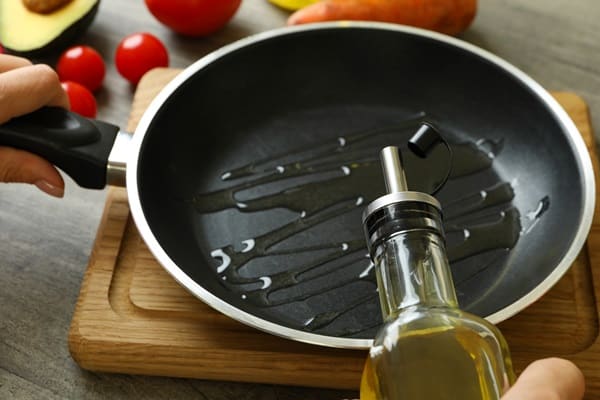
Unrefined oils, like extra virgin olive oil, cold-pressed coconut oil, and artisanal nut oils, are celebrated for their robust flavors and nutritional profiles, preserving the natural antioxidants and vitamins found in the source seeds, nuts, or fruits. These oils are best used at low temperatures or added after cooking to maintain their health benefits and delicate flavors. However, when subjected to high heat, unrefined oils can quickly become a health hazard, breaking down and oxidizing, which not only degrades their nutritional quality but also creates harmful compounds.
The key issue with using unrefined oils at high temperatures is their low smoke point, the temperature at which the oil begins to smoke, indicating decomposition. When an oil reaches its smoke point, it not only loses its beneficial properties but also starts forming free radicals and other harmful substances. To avoid these negative effects, it’s crucial to choose the right oil for the right cooking method, reserving unrefined oils for cold dishes, dressings, or gentle sautéing, and opting for oils with higher smoke points for frying or roasting.
Grapeseed Oil: The Omega Imbalance

Grapeseed oil is often marketed as a healthy cooking oil due to its light flavor and high smoke point, making it versatile for various cooking methods. However, its health profile is controversial due to its high omega-6 fatty acid content. While omega-6s are essential fats, necessary for proper body function, an imbalance in the ratio of omega-6 to omega-3 fatty acids in the diet is linked to inflammation, heart disease, and other chronic health issues. Grapeseed oil’s omega-6 content significantly outweighs its omega-3 content, potentially contributing to this imbalance when used excessively.
In addition to the omega imbalance, the extraction process of grapeseed oil often involves chemical solvents, raising concerns about trace chemicals remaining in the oil. For those seeking to maintain a healthy balance of fatty acids in their diet, it’s essential to consider not just the type of oil, but also the broader context of their overall fat intake. Incorporating oils rich in omega-3s, like flaxseed or walnut oil, and reducing consumption of high omega-6 oils, can help correct this imbalance and support overall health.
Flavored and Infused Oils: Hidden Risks
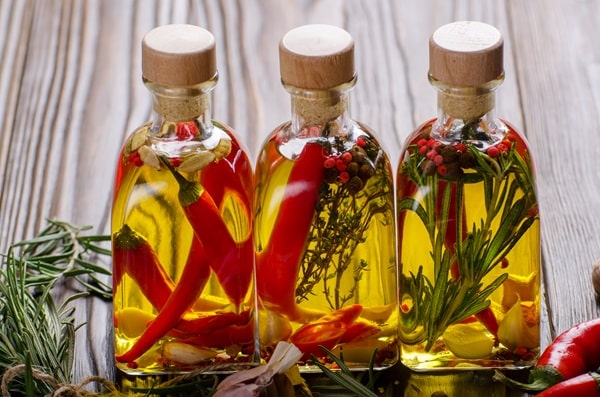
Flavored and infused oils, with their enticing aromas and tastes, are a delightful addition to any culinary repertoire, elevating dishes with a burst of gourmet flavor. These oils are typically made by steeping herbs, spices, fruits, or chili in oil, absorbing their essences. While they can add a unique twist to meals, homemade infused oils especially pose significant food safety risks. If not prepared or stored properly, they can become a breeding ground for bacteria, including Clostridium botulinum, which causes botulism, a rare but potentially fatal illness.
To safely enjoy flavored and infused oils, it’s crucial to understand and follow proper preparation and storage techniques. For instance, infused oils should be used quickly or stored in the refrigerator to inhibit bacterial growth. Commercially prepared flavored oils usually undergo strict safety protocols, making them a safer bet than homemade versions. Still, consumers should always check expiration dates and storage instructions to ensure safety. As delightful as these oils can be, understanding their risks and how to mitigate them is key to enjoying their flavors without compromising health.
Make Healthier Choices in Your Kitchen
In navigating the complex world of cooking oils, it’s essential to prioritize your health and the environment. By understanding the risks associated with certain oils and opting for healthier, more sustainable alternatives, you can significantly improve your dietary habits. Embrace oils that align with your nutritional needs and environmental values, and always be vigilant about reading labels and staying informed. Let’s commit to making healthier, more conscious choices in the kitchen starting today.