Reduce Sodium Intake
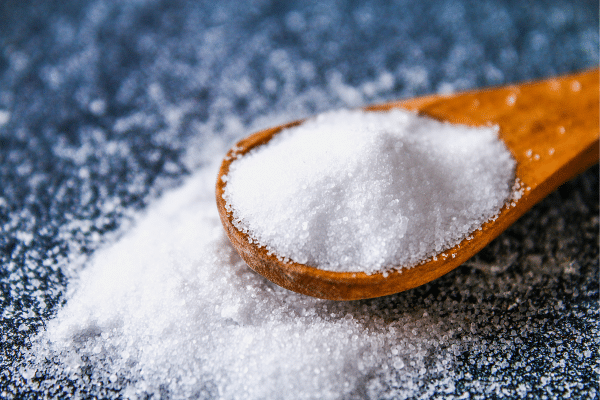
Sodium, a component of salt, can have a significant impact on blood pressure. Excessive sodium intake leads to fluid retention, putting extra pressure on the heart and blood vessels. The American Heart Association recommends no more than 2,300 milligrams of sodium per day, with an ideal limit of no more than 1,500 milligrams for most adults. To achieve this, it’s essential to be vigilant about the sodium content in foods, particularly processed and prepared items, which are often high in sodium.
One of the most effective ways to reduce sodium intake is by preparing meals at home, where control over the ingredients is possible. Using herbs, spices, and citrus to flavor dishes instead of salt can also significantly reduce sodium intake without sacrificing taste. Reading food labels is crucial, as it allows for informed choices about the foods consumed. Opting for fresh or frozen fruits and vegetables over canned versions, and choosing low-sodium or no-salt-added products can further help in maintaining a low-sodium diet. Being aware of ‘hidden’ sources of sodium such as sauces, dressings, and even certain medications is also key to effectively managing intake.
Get Quality Sleep

Sleep plays a fundamental role in maintaining optimal health, and its relationship with blood pressure is significant. Poor sleep quality or insufficient sleep can lead to hormonal imbalances that increase heart rate and blood pressure. Moreover, sleep deprivation has been linked to unhealthy habits such as overeating, lack of exercise, and excessive alcohol consumption, all of which can negatively impact blood pressure. Ensuring 7 to 8 hours of quality sleep each night is therefore crucial for blood pressure regulation and overall health.
Creating a conducive sleep environment can greatly enhance sleep quality. This includes maintaining a cool, quiet, and dark room, and establishing a relaxing bedtime routine to signal the body it’s time to wind down. Limiting screen time before bed, avoiding heavy meals or caffeine close to bedtime, and keeping a consistent sleep schedule even on weekends can also promote better sleep. For those experiencing sleep issues such as insomnia or sleep apnea, consulting a healthcare provider is important, as these conditions can directly affect blood pressure and require specific treatments.
Quit Smoking

Smoking cessation is one of the most impactful changes for reducing blood pressure and improving overall cardiovascular health. Each cigarette smoked temporarily raises blood pressure and can cause damage to the blood vessels, leading to long-term hypertension. Furthermore, the chemicals in tobacco can harm blood vessels, reduce the amount of oxygen the heart receives, and increase the likelihood of clot formation, posing serious risks to heart health.
Quitting smoking can be challenging, but the benefits are immediate and substantial. Within just 20 minutes of quitting, blood pressure begins to drop back toward normal levels. Various resources are available to support those looking to quit, including nicotine replacement therapy, prescription medications, counseling, and support groups. Creating a personalized plan, setting a quit date, and seeking support from friends, family, or professionals can increase the chances of success and lead to a healthier, smoke-free life.
The Bottom Line
Managing blood pressure is a multifaceted endeavor that extends beyond medication. Embracing lifestyle changes such as eating a balanced diet, engaging in regular physical activity, moderating alcohol consumption, managing stress, reducing sodium intake, ensuring quality sleep, and quitting smoking can collectively have a profound impact on blood pressure levels. While each strategy offers unique benefits, their combined effect can significantly enhance heart health and overall well-being. It’s essential to approach these changes gradually and consistently, and to consult with healthcare professionals to ensure the chosen methods align with individual health needs and circumstances. With the right approach, managing blood pressure naturally is an achievable goal, paving the way for a healthier, more vibrant life.